
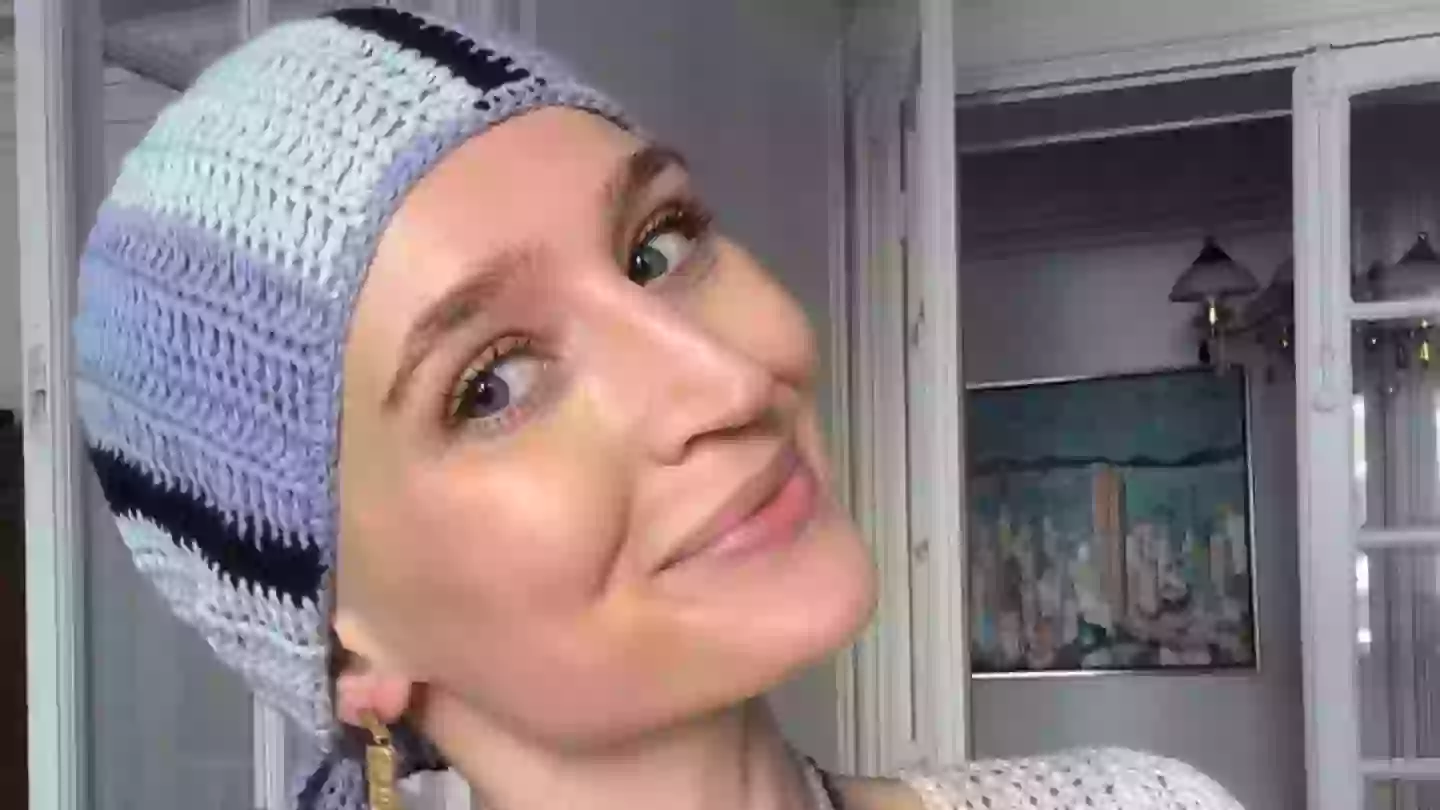
The evolving capabilities of artificial intelligence have touched nearly every aspect of our lives — from convenience in everyday tasks to groundbreaking advancements in medicine. But few stories have brought the impact of AI in healthcare as close to home as the story of
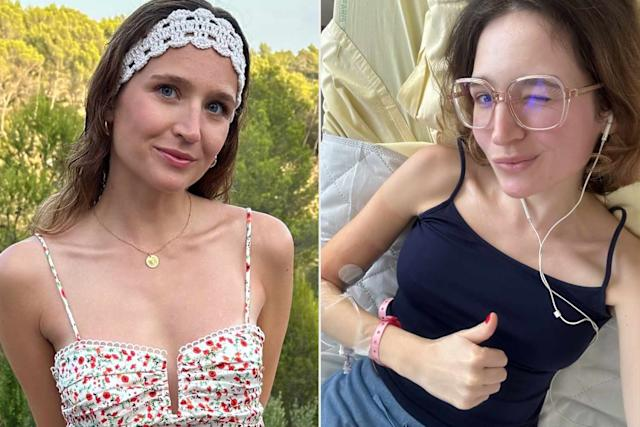
, a 27-year-old woman from Paris.
Her remarkable experience with the AI chatbot ChatGPT has stirred conversations about self-advocacy, the limitations of traditional healthcare, and the quiet but undeniable power of digital tools in early disease detection.
Marly’s story is one of loss, intuition, skepticism, and ultimately, revelation. At its core, it is a tale about trusting one’s body and the tools we now have at our fingertips — tools that, sometimes, may just save our lives.
A Subtle Warning: The Symptoms That Sparked Curiosity
In January 2024, Marly Garnreiter was dealing with the heavy emotional burden of losing her father, Victor, to colon cancer. He had passed away at the age of 58 — far too young. The grief was still fresh, and like many people navigating such loss, Marly began to experience what she assumed were psychosomatic symptoms. Night sweats, itchy skin, fatigue — all seemed to fit within the scope of anxiety and stress.
For months, she brushed off these signs. After all, grief can take on many forms, and Marly had every reason to believe that the unexplained symptoms were rooted in emotional trauma. Her doctor, too, seemed to affirm this assumption. The tests she underwent all came back normal, and nothing immediately signaled a need for concern.
Yet, a small part of her remained uneasy. There was a nagging sense that something deeper might be at play. In a moment of curiosity — and perhaps, desperation — she turned to ChatGPT, an AI-powered chatbot created by OpenAI. With little expectation, she entered her symptoms into the program. The answer was unsettling: blood cancer.
Read : Saying Thank You And Please To ChatGPT Costing OpenAI Millions Of Dollars: Sam Altman
Surprised and unsure, Marly shared the result with her friends. Their response was swift and skeptical. “You should only consult real doctors,” they advised, echoing a sentiment shared by many who still see AI as more of a novelty than a reliable medical tool. Marly agreed and moved on, choosing to trust traditional medicine over digital insight.
A Second Warning: When Pain and Fatigue Couldn’t Be Ignored
Time went on, but the symptoms did not. They intensified. The itchy skin became more unbearable, the fatigue more consuming. Then came the chest pain — sharp, persistent, and impossible to ignore. This time, Marly knew something was truly wrong.
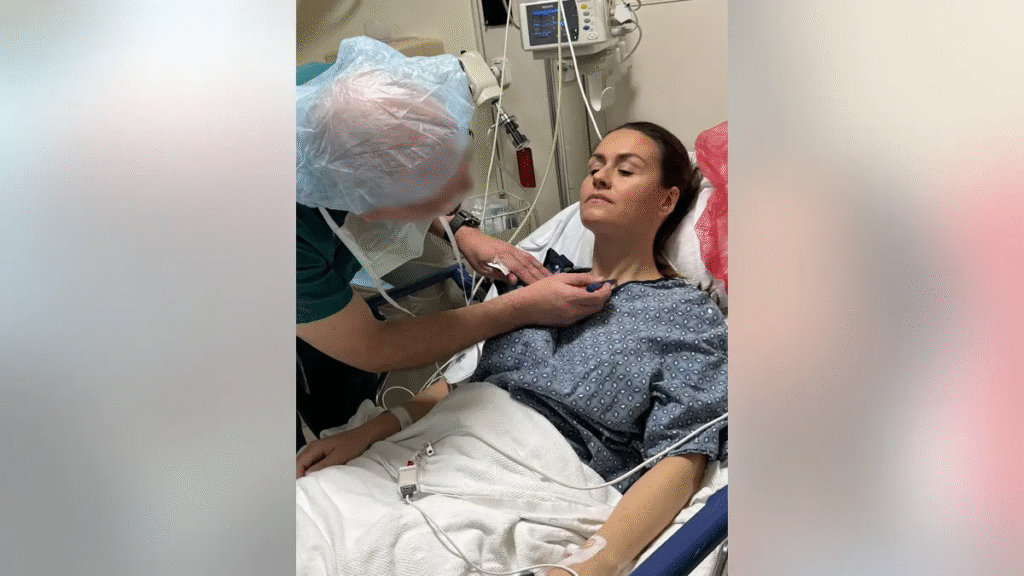
Returning to her doctor months later, she pushed for more comprehensive testing. What followed was the news she had feared and, in a strange way, already received a year earlier: she had Hodgkin lymphoma, a form of blood cancer that starts in the white blood cells and typically affects the lymphatic system.
Scans revealed a sizable mass on her left lung. The diagnosis was clear, and treatment would begin immediately. Chemotherapy was scheduled to start in March 2025 — eerily, almost exactly a year after her father had succumbed to his own cancer battle.
Read: These Are the Top Ten Most Famous Destinations Suggested by ChatGPT Around the World
Reflecting on the chain of events, Marly couldn’t help but revisit that moment when ChatGPT offered a glimpse into what was hiding beneath the surface. “It said I had blood cancer,” she recalled. “And it turned out to be right.”
Beyond the Diagnosis: Self-Advocacy, AI, and Hope for the Future
The story of Marly Garnreiter is not just about an uncanny diagnosis. It’s about the intersection of intuition, technology, and the limitations of traditional healthcare systems. Many people experience vague and seemingly unrelated symptoms, only to be dismissed during initial consultations due to normal test results or assumptions based on psychological stress.
Had Marly not returned to the doctor and insisted on further evaluation, her condition might have continued to progress undetected. It’s a chilling reminder of how crucial it is to trust our instincts and advocate for our own health — even when others dismiss our concerns.
For Marly, the experience was a painful but powerful lesson. “It’s really important to listen to our bodies,” she said. “Sometimes we tend to lose our connection with our inner self.” In today’s world, that “inner self” may now be aided by the digital voice of artificial intelligence — not as a replacement for doctors, but as a supplementary tool that can sometimes offer early insights others might miss.
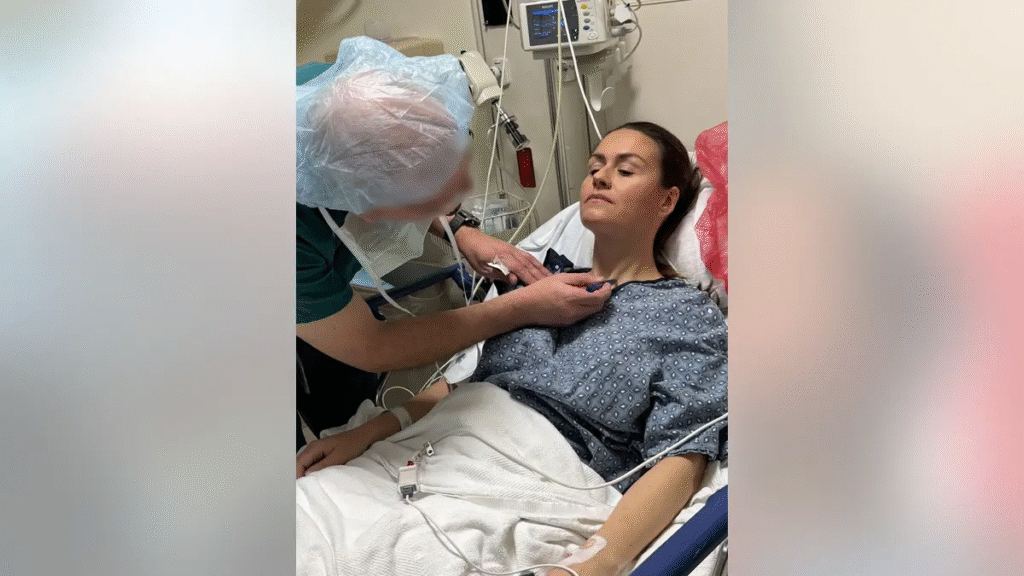
Hodgkin lymphoma, though a rare cancer, is considered highly treatable when detected early. The Cleveland Clinic reports a five-year survival rate of over 81%, providing a measure of hope to those diagnosed. With treatment now underway, Marly remains optimistic. Her journey, though deeply personal, serves as a public reminder that AI tools like ChatGPT might one day become standard preliminary resources for identifying complex health issues.
Her case also underscores the importance of digital literacy. Knowing how to effectively use AI, interpret its suggestions, and cross-reference them with professional medical advice can empower patients and bridge the gap between early symptoms and timely diagnosis.
Marly’s experience may be unique, but it echoes a broader trend — one where technology plays a growing role in helping people take control of their health journeys. The idea that a chatbot could assist in identifying a life-threatening condition a full year before medical professionals is both astonishing and instructive. It suggests that even if AI can’t yet replace the trained eyes of a doctor, it might soon stand beside them as a valuable companion in the diagnostic process.
In the wake of her diagnosis, Marly isn’t just fighting cancer — she’s raising awareness. Her voice, like the AI that once quietly warned her, now speaks with purpose and clarity. And perhaps, her story will inspire others to listen more closely — both to themselves and the new tools that might just help them uncover the truth before it’s too late.