
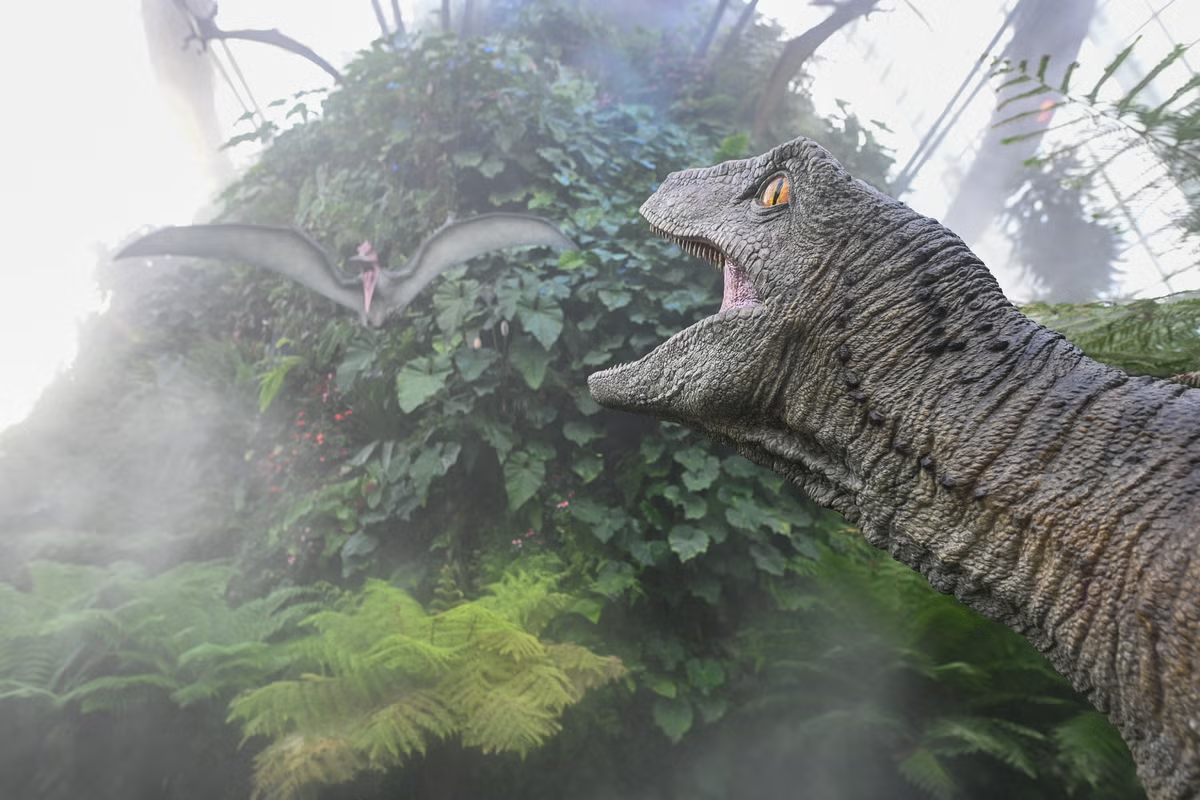
Families expecting a festive day out at one of London’s newest immersive attractions were met instead with disappointment and distress after being refused entry at the door. Jurassic World: The Experience at Battersea Power Station became the focus of public anger this week after a booking system error resulted in dozens of visitors, many with young children, being turned away despite holding valid tickets.
The incident unfolded during the busy Christmas holiday period, amplifying the emotional impact on families who had travelled long distances and planned the visit weeks in advance. What was marketed as a thrilling, family-friendly experience inspired by the globally popular Jurassic Park franchise instead left children in tears and parents questioning how such a breakdown in organisation could occur at a major commercial attraction.
Accounts from those affected describe confusion at the venue entrance, inconsistent communication from staff, and the perception that discounted ticket holders were treated differently from those who paid full price. The controversy has since prompted apologies from both the event’s organisers, Neon, and voucher platform Wowcher, while raising wider concerns about ticketing systems, third-party voucher sales, and consumer protection at large-scale entertainment events.
Children and families caught in the overbooking error
The problems emerged on Monday when families arrived at Jurassic World: The Experience, only to be told that their allocated time slots were already full. The attraction, hosted at Battersea Power Station, is Neon’s first event at the newly opened venue and operates under strict capacity limits due to safety and crowd control requirements. According to Neon, a booking system error led to too many Wowcher vouchers being sold for certain sessions, resulting in oversubscription.
Around 30 to 40 visitors were affected on the day, but the emotional toll was significant. Many families had children with additional needs, for whom changes to plans can be particularly distressing. One of the most prominent accounts came from Kate Stevens, a mother of three, whose 11-year-old son Jacob had been eagerly anticipating the visit as a Christmas treat. The day had required careful coordination, including travel from Canterbury to Enfield and then on to south-west London.
Ms Stevens described scenes of chaos at the entrance, with families queueing only to be turned away once they reached the front. According to her account, those holding discounted vouchers were refused entry, while visitors who had paid full price were allowed inside. She recalled multiple children crying, parents becoming visibly distressed, and at least one family with autistic children experiencing a public meltdown after being denied entry.
Read : Cottage Left Teetering on the Brink of 400ft Drop After Jurassic Coast Cliff Fall
Jacob, who has both Autistic Spectrum Disorder and ADHD, reportedly became overwhelmed when told he could not attend the experience. His reaction, described by his mother as emotional and dramatic, reflected the depth of disappointment after weeks of anticipation. Other families, Ms Stevens said, had travelled since the early hours of the morning to attend the event, only to be sent home without an immediate alternative offered.
Read : Jurassic World 4: Dinosaur Adventure Set to Shoot in Thailand, Malta, and the U.K.
The incident was particularly painful given the timing. Christmas outings often carry heightened emotional expectations, and for many families the experience represented not just entertainment but rare quality time together. Parents described feeling helpless as they struggled to explain to their children why tickets they had already purchased were suddenly invalid.
Breakdown in communication and on-site handling
Beyond the booking error itself, many visitors criticised how the situation was managed on the ground. Several parents reported that staff were unable or unwilling to give clear answers about how long the issue had been ongoing or whether affected families could be admitted later in the day. Some said they only realised they would not be allowed in after overhearing other visitors being turned away, rather than receiving proactive communication.
According to accounts given to the Press Association, families were allowed to join the queue and wait, sometimes for extended periods, before being informed that their vouchers could not be honoured. This approach intensified frustration, particularly among children who could already see dinosaur-themed displays and hear sounds from inside the attraction. For neurodivergent children, this proximity reportedly made the disappointment harder to manage.
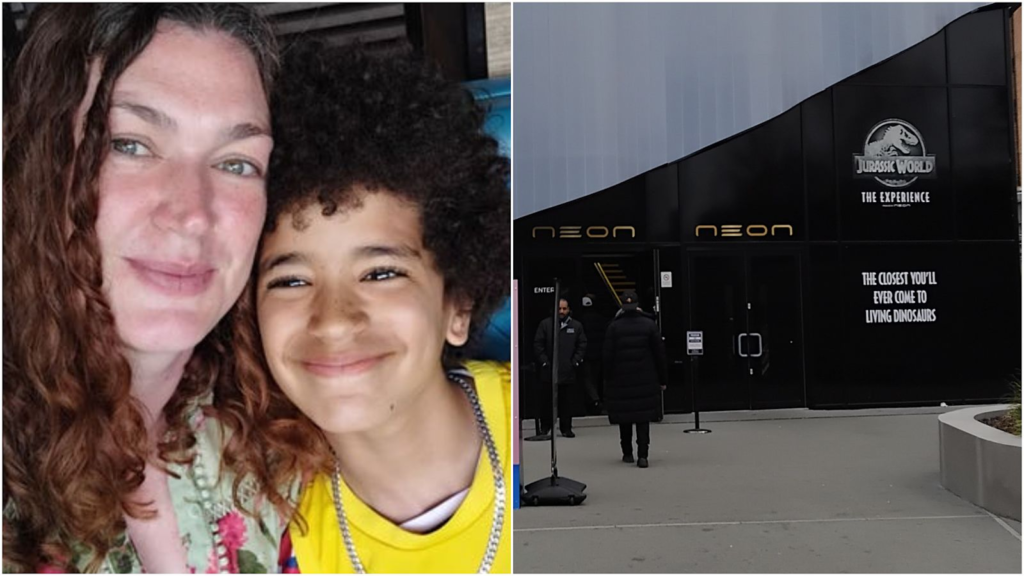
Neon later stated that all affected ticketholders had been notified in advance, but this assertion was disputed by some families who said they received no warning before arriving. The discrepancy highlights a potential communication gap between ticketing platforms, organisers, and consumers, especially when third-party vouchers are involved.
The perception that full-price ticket holders were prioritised further fuelled anger. While capacity limits required organisers to make difficult decisions, parents questioned why voucher customers were not offered immediate alternatives, such as later time slots or clear rebooking options, rather than outright refusal at the door. The lack of a visible contingency plan contributed to the impression of disorganisation at a venue hosting a high-profile, branded attraction.
Accountability, apologies, and broader implications
In the aftermath, both Neon and Wowcher issued public apologies and committed to resolving the situation. A spokesperson for Neon explained that the overselling was the result of a booking system error and reiterated that safety considerations prevented them from exceeding capacity. The company said it was liaising with affected visitors to offer alternative sessions or full refunds and confirmed that it was reviewing internal processes to prevent a recurrence.
Wowcher, meanwhile, placed responsibility on the event organisers, stating that the overbooking originated from Jurassic World’s systems. The voucher platform confirmed it was contacting customers directly to process full refunds. While refunds address the financial aspect, many families noted that compensation does little to replace a ruined day out or to mitigate the emotional impact on children.
The incident has reignited debate about the role of third-party voucher sites in the live entertainment sector. Discount platforms are popular with families seeking affordable experiences, but the Jurassic World incident underscores the risks when inventory management between sellers and organisers is not tightly coordinated. Overbooking errors can have reputational consequences not only for the event but also for the venue and associated brands.
Consumer advocates have also pointed to the importance of clearer terms and real-time capacity controls when vouchers are sold for time-specific attractions. Unlike open-ended vouchers, immersive experiences rely heavily on precise scheduling, and even small system failures can cascade into public-facing incidents. For families, particularly those with children who require routine and predictability, such failures carry a disproportionate emotional cost.
While Jurassic World: The Experience continues to welcome thousands of visitors daily during the holiday period, the events at Battersea Power Station serve as a cautionary example of how logistical oversights can undermine even the most anticipated attractions. As organisers review their processes and issue refunds, affected families are left with memories not of cinematic dinosaurs but of queues, confusion, and disappointment at what should have been a joyful seasonal outing.
If you’re into betting on League of Legends, check out pnxbetlol. They seem to have pretty competitive odds. Always worth a look. Get your bets in at pnxbetlol.