
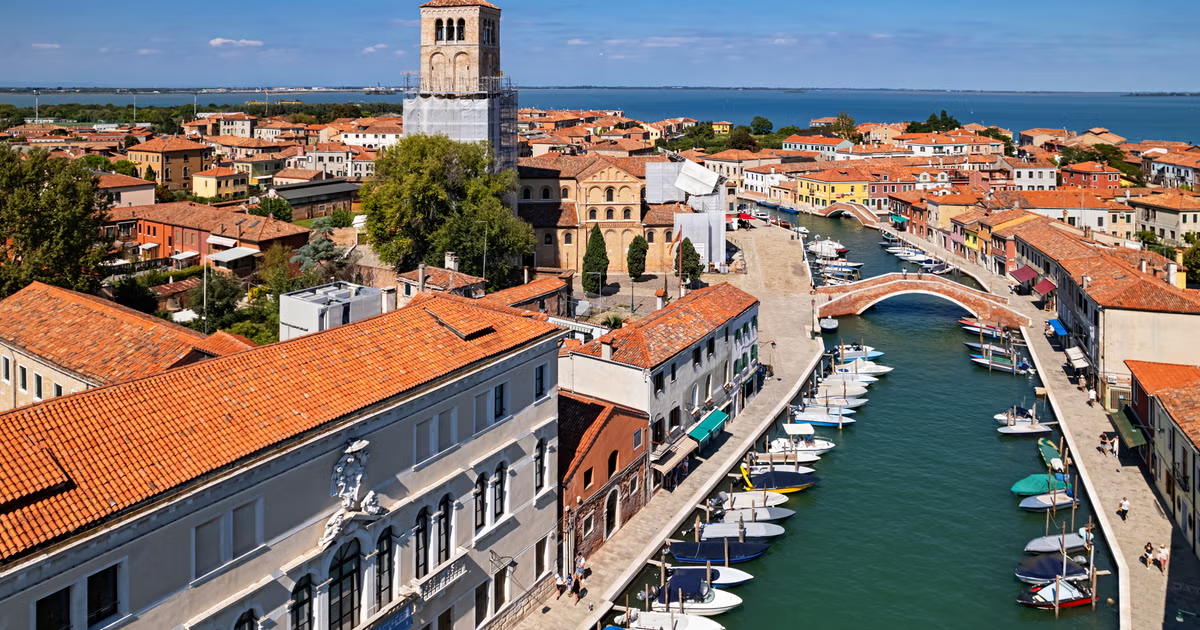
In a story that blends Italy’s undying love for calcio with the rigid enforcement of urban tranquility, Venice has once again thrust itself into the spotlight—not for its canals or gondolas, but for fining parents over a children’s football game. On the island of Murano, home to the city’s famed glass artisans, 14 families received €50 penalties after their kids, aged 12 and 13, kicked a ball around Pino Signoretto Square. The incident, which unfolded earlier this month, has ignited a fiery debate about where the line should be drawn between preserving public peace and allowing the simple joys of childhood play.
As a city perpetually balancing tourism, heritage, and daily life, Venice’s latest controversy underscores the tensions in its tightly regulated public spaces. The event itself was unremarkable on the surface: a group of preteens enjoying an impromptu match in a recently revamped neighborhood square. But what began as laughter and shouts soon escalated into a formal police response, thanks to a single resident’s complaint about the noise.
Officers arrived, noted the infraction, and a week later, summoned the parents to the local station to issue the fines. Under the city’s 2019 regulations, ball games like football are prohibited in most public areas to prevent disturbances, damage, or hazards to passersby. In Murano, with its population of around 4,500, only San Bernardo Square is officially designated for such activities. Pino Signoretto Square, however, emerged from recent redevelopment works and wasn’t explicitly listed among the banned zones—at least not yet, according to the aggrieved families.
This isn’t Venice’s first brush with such parental penalties. Back in 2018, four families were hit with over €66 each for their children playing in Campiello Pisani near the Benedetto Marcello Conservatory. Those rules, too, targeted games that could “cause danger or annoyance.” Football in public spots is further restricted to children under 11, leaving the 12- and 13-year-olds in this case squarely in violation. The fines, while modest at €50 apiece, could balloon to €500 if not settled within 60 days. Yet, the real sting lies in the optics: in a nation where football is more religion than recreation, punishing kids for a kickabout feels like sacrilege to many.
The Incident Unfolds: From Kickoff to Police Summons
Picture this: a balmy September afternoon on Murano, the lagoon’s glassblowing heart, where the air hums with the clink of furnaces and the chatter of artisans. Pino Signoretto Square, named after the renowned Murano glass master Pino Signoretto—a contemporary sculptor whose whimsical works blend traditional techniques with modern flair—stands as a fresh emblem of community renewal. Created amid neighborhood upgrades, the square boasts open space ideal for gatherings, yet its youth has left it in a regulatory gray area.
Enter 14 boys, buzzing with post-school energy, turning the paved expanse into an ad-hoc pitch. Their game, fueled by the passion that grips Italian youth from cradle to commentary box, drew inevitable noise—shouts of “gol!” and the thud of a well-worn ball. It wasn’t long before a nearby resident, irked by the din amid Murano’s otherwise serene rhythm, dialed the police. Venetian authorities, ever vigilant about public order in a city where overtourism already strains nerves, responded promptly.
The officers didn’t break up the fun with a stern warning or a confiscated ball. Instead, they methodically recorded the children’s names and details, treating the matter with the gravity of a more serious breach. Days later, the fallout landed on doorsteps: parents, many of them glassworkers or shopkeepers in the island’s tight-knit community, were called to the carabinieri station. There, amid the fluorescent hum and stacks of paperwork, they learned of the €50 fine per family, cited for allowing activities that “create a disturbance to the public peace and a danger for people in transit.”
Read : Parents Sue OpenAI After ChatGPT Allegedly Encouraged 16-Year-Old Son Adam Raine to Die by Suicide
One father, speaking to local reporters, recounted the heartbreak: “My son called me in tears. The police wouldn’t listen to reason.” He described the boys as typical preteens, not vandals, just kids channeling their energy into Italy’s favorite sport. The summons felt disproportionate, turning a moment of innocent play into a bureaucratic ordeal. Murano’s small scale amplifies such episodes; everyone knows everyone, and word spreads like wildfire across the canal bridges.
At its core, the incident highlights the patchwork of Venice’s rules. The 2019 ordinance, aimed at curbing chaos in historic zones, broadly bans ball games except in specified spots. San Bernardo Square, the lone exception on Murano, is often cited as too small or ill-suited for larger groups, pushing kids toward makeshift fields like Pino Signoretto. Parents argue the new square’s omission from the banned list was an oversight, not an invitation to flout the law. “It was built for people to use,” one mother told Corriere del Veneto. “How can we teach our children the rules if the rules don’t even know the space exists?”
Community Backlash: Outrage, Appeals, and Calls for Common Sense
The fines didn’t just hit wallets; they struck a nerve, erupting into a chorus of outrage that echoed from Murano’s workshops to Venice’s grand council chambers. Local councillor Marco Gasparinetti captured the sentiment in a viral Facebook post: “Were they scammers? Pickpockets? Drug dealers? No, they were the parents of 14 children.” His words, laced with sarcasm, lambasted the “heavy-handed” approach, suggesting a simple explanation or ball seizure would have sufficed over formal penalties. Gasparinetti, a vocal advocate for family-friendly policies, called for a review of the rules, arguing they stifle the very vibrancy that defines Venetian life.
Social media amplified the uproar, with #CalcioLibero trending locally as parents shared stories of similar slaps on the wrist. “Venice is for lovers and tourists, but not for our kids?” one user quipped, juxtaposing images of crowded St. Mark’s Square against empty playgrounds. The debate spilled into op-eds and talk radio, framing the fines as emblematic of a broader clampdown. In a city where day-trippers outnumber residents 1,000 to 1, enforcing quiet for tourists often trumps local needs. Critics point to this as “quality of life” policing gone awry, prioritizing silence over the laughter of youth.
Not all voices align, of course. Some residents defend the complaint, noting Murano’s fragile peace amid rising living costs and tourism pressures. “It’s not about the ball; it’s the volume at dusk when people want to unwind,” said one anonymous neighbor. Glassblowing, after all, demands focus, and unexpected noise can disrupt the delicate craft that sustains the island. Yet even defenders concede the response felt outsized, with calls for clearer signage in new spaces like Pino Signoretto to preempt such clashes.
The families, undeterred, are mounting a collective appeal. Several fathers have vowed not to pay, planning to petition Mayor Luigi Brugnaro directly. Brugnaro, whose administration has navigated Venice through floods and overtourism, faces a delicate tightrope: uphold the law to maintain order, or soften it to foster community goodwill? Precedents exist—past appeals have led to fine reductions—but success isn’t guaranteed. One parent, a veteran glassblower, likened it to negotiating with the tide: “Venice changes, but the rules lag behind. We’re just asking for space to breathe.”
This backlash isn’t mere venting; it’s a microcosm of Venice’s identity crisis. As the city invests in anti-flood barriers and visitor caps, locals grapple with spaces that feel more museum than home. Pino Signoretto Square, with its nod to the island’s artistic soul, was meant to revitalize, not regulate. The fines have galvanized parents into action, with petitions circulating for age-appropriate play zones and updated ordinances. “Our kids aren’t the problem,” a group statement read. “Lack of options is.”
Broader Implications: Balancing Play, Preservation, and Policy in Venice
Zoom out from Murano, and this kerfuffle reveals deeper fault lines in La Serenissima’s social fabric. Venice, a UNESCO jewel teetering on subsidence and sea-level rise, enforces a web of rules to safeguard its 1,200-year legacy. Ball games bans join no-bikes zones, feeding restrictions, and decibel limits in a bid to shield fragile facades from errant soccer balls or rowdy revelers. But at what cost to the human element? With birth rates plummeting—Venice proper has fewer than 50,000 residents—these incidents underscore a demographic crunch: fewer kids mean less tolerance for their noise.
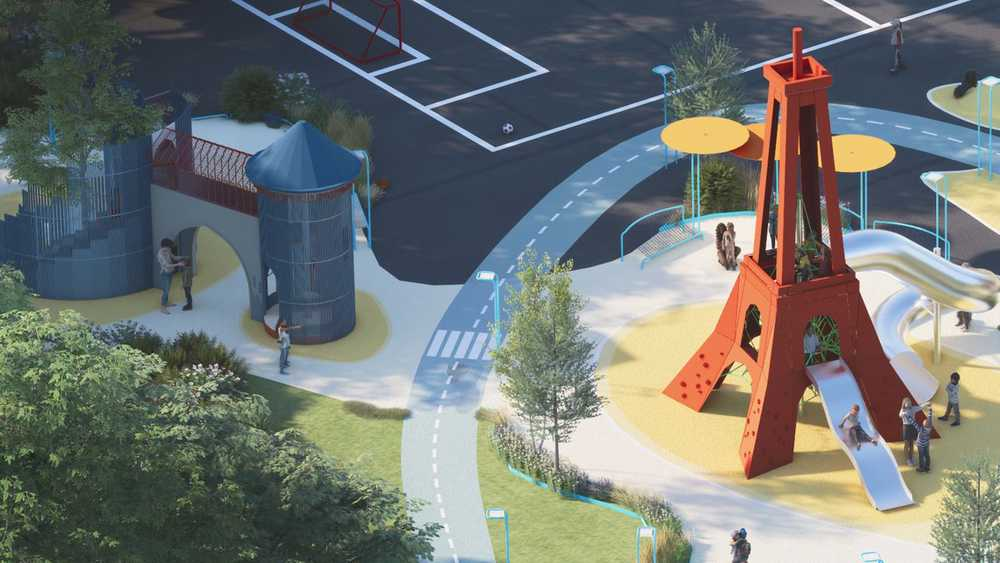
Football, more than sport, is cultural glue in Italy. From Serie A fever to neighborhood tornei, it instills teamwork and joy. Penalizing it risks alienating the young, accelerating the exodus of families to the mainland. Experts like urban planner Giorgio Cecchetti argue for “playful urbanism”: redesigning squares with resilient features, like soft turf or netted goals, to accommodate without anarchy. Murano’s San Bernardo, the sole sanctioned spot, is a start, but expanding options could defuse tensions.
Pino Signoretto himself, the square’s namesake, embodies this creative tension. Born in 1944, the master glassblower apprenticed under legends like Alfredo Barbini, evolving Murano’s traditions into playful sculptures of animals and icons. Collaborations with global artists like Dale Chihuly highlight his boundary-pushing ethos—ironic, then, that his square became a flashpoint for stifled play. Perhaps it’s a metaphor: Venice’s art thrives on fluidity, yet its rules calcify.
Looking ahead, this saga could catalyze change. Appeals may force a bylaws refresh, clarifying new developments like Pino Signoretto. Mayor Brugnaro, eyeing re-election whispers, might seize it as a populist win, blending enforcement with empathy. For now, the families’ resolve inspires: in a city of masks and mysteries, their stand unmasks a simple truth—kids will play, rules or no. As one fined father put it, “We’ll contest it, but more importantly, we’ll keep kicking.” In Venice, where water shapes stone, such persistence might just carve out space for tomorrow’s games.