
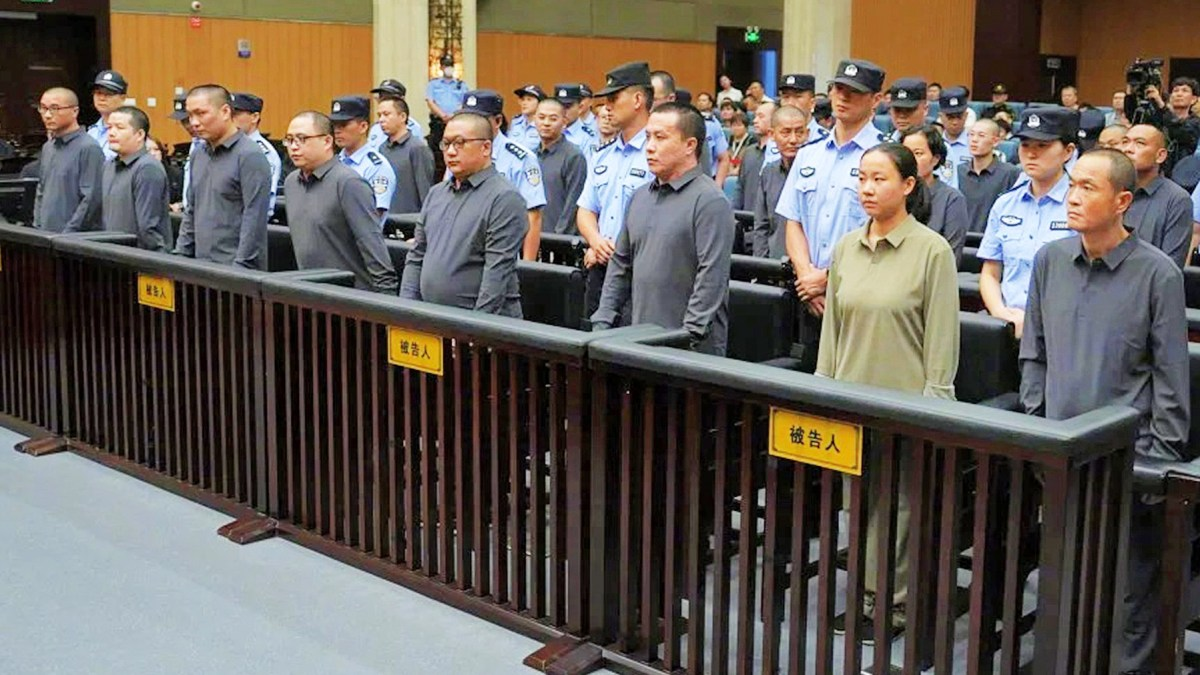
In a landmark ruling that underscores China’s aggressive stance against cross-border cybercrime, the Wenzhou Intermediate People’s Court in eastern Zhejiang Province sentenced 39 members of Myanmar’s notorious Ming family on September 29, 2025. The family, long accused of orchestrating a vast criminal network involving telecommunications fraud, illegal gambling, drug trafficking, and human exploitation, faced severe penalties reflecting the scale of their operations.
This verdict, announced by Chinese state broadcaster CCTV, marks one of the most significant crackdowns on organized crime syndicates operating from Myanmar’s volatile border regions. The sentences range from immediate executions to lengthy prison terms, signaling Beijing’s zero-tolerance policy toward scams that have defrauded billions from victims worldwide. The Ming family’s empire, built over nearly a decade, preyed on vulnerable workers and international targets alike, transforming the once-sleepy town of Laukkaing into a notorious hub of illicit activity.
With at least 10,000 individuals coerced into laboring in scam compounds, the group’s activities generated over 10 billion yuan—approximately $1.4 billion—in illicit revenue. This case highlights the intertwined web of crime, politics, and insurgency in Myanmar’s Shan State, where the Mings wielded influence through ties to local militias and the ruling junta. As Chinese authorities continue repatriating thousands of scam victims and suspects, this sentencing serves as a deterrent amid ongoing regional efforts to dismantle these networks.
The Ming Family’s Criminal Dominion in Laukkaing
The Ming family emerged as a dominant force in Myanmar’s Kokang region, an autonomous area along the Chinese border known for its ethnic Chinese population and porous frontiers. One of four powerful clans—alongside the Bai, Wei, and Liu families—the Mings capitalized on Laukkaing’s strategic location to establish a sprawling criminal ecosystem starting around 2015. What began as underground casinos catering to Chinese gamblers, where betting is illegal, evolved into sophisticated scam operations that ensnared victims globally through fake investment schemes, romance frauds, and cryptocurrency cons.
At the heart of their operations stood compounds like the infamous Crouching Tiger Villa, where trafficked workers endured brutal conditions. Recruited under false pretenses with promises of high-paying jobs, these individuals—many from China and Southeast Asia—were stripped of passports, confined behind barbed wire, and forced to meet daily quotas of fraudulent transactions. Failure to comply resulted in beatings, electric shocks, or worse. Court documents revealed that the Mings oversaw at least 10 deaths among workers, including a chilling October 2023 incident where armed guards opened fire on a group attempting to flee a compound ahead of a police raid, killing four.
The family’s patriarch, Ming Xuechang, embodied their dual role as crime lords and political players. A former member of Myanmar’s state parliament and leader in the junta-aligned Kokang Border Guard Force, he leveraged these positions to shield operations and recruit “financial backers” for expansion. His son, Ming Guoping, and daughter, Ming Julan, managed day-to-day enforcements, while granddaughter Ming Zhenzhen handled logistics. This blend of familial loyalty and militia muscle allowed the Mings to process billions in laundered funds annually, turning Laukkaing from an impoverished backwater into a glittering den of vice lined with neon-lit casinos and high-rise scam centers.
⚖️ On Sept 29, 2025, Zhejiang Wenzhou Intermediate People’s Court publicly sentenced the Ming crime syndicate from northern Myanmar.
— China Perspective (@China_Fact) September 29, 2025
Leaders including Ming Guoping, Ming Zhenzhen, Zhou Weichang, Wu Hongming, Wu Senlong & Fu Yubin were given the death penalty for telecom fraud,… pic.twitter.com/Y9ArTCAlyk
Chinese authorities estimate the broader scam industry in northern Myanmar drains over $43 billion yearly from victims, with the Mings’ share alone topping $1.4 billion. Their network extended beyond fraud to drug production and organized prostitution, funneling profits back into local power structures. Yet, this dominance unraveled in late 2023 when an alliance of ethnic armed groups launched a coordinated offensive against junta forces in Laukkaing. The rapid rebel advance, which analysts attribute to tacit Chinese approval, exposed the scam compounds and led to the arrest of key Ming figures. Myanmar’s military, facing defeat, handed over dozens of family members to Beijing, where they now face justice far from the border they once terrorized.
Breakdown of Sentences and Court Proceedings
The Wenzhou court’s decision meticulously apportioned punishment based on individual roles, with ringleaders receiving the harshest measures. Of the 39 convicted, 11—primarily core family members including direct descendants of Ming Xuechang—were handed immediate death sentences. These individuals were deemed principal architects of the fraud and violence, directly linked to murders and trafficking that claimed multiple lives. Another five received death sentences suspended for two years, a conditional reprieve allowing potential commutation to life imprisonment if no further crimes occur during the period.
This group included mid-level operators who enforced quotas but showed signs of remorse in confessions broadcast by state media. Eleven defendants drew life imprisonment terms, reserved for those deeply embedded in the syndicate’s management, such as compound overseers and financial coordinators who laundered proceeds through international channels. The remaining 12 faced fixed prison sentences ranging from five to 24 years, targeting lower-tier associates involved in recruitment, security, or peripheral scams. No leniency was extended based on age or prior record; the court emphasized the “heinous nature” of crimes that exploited national borders for personal gain.
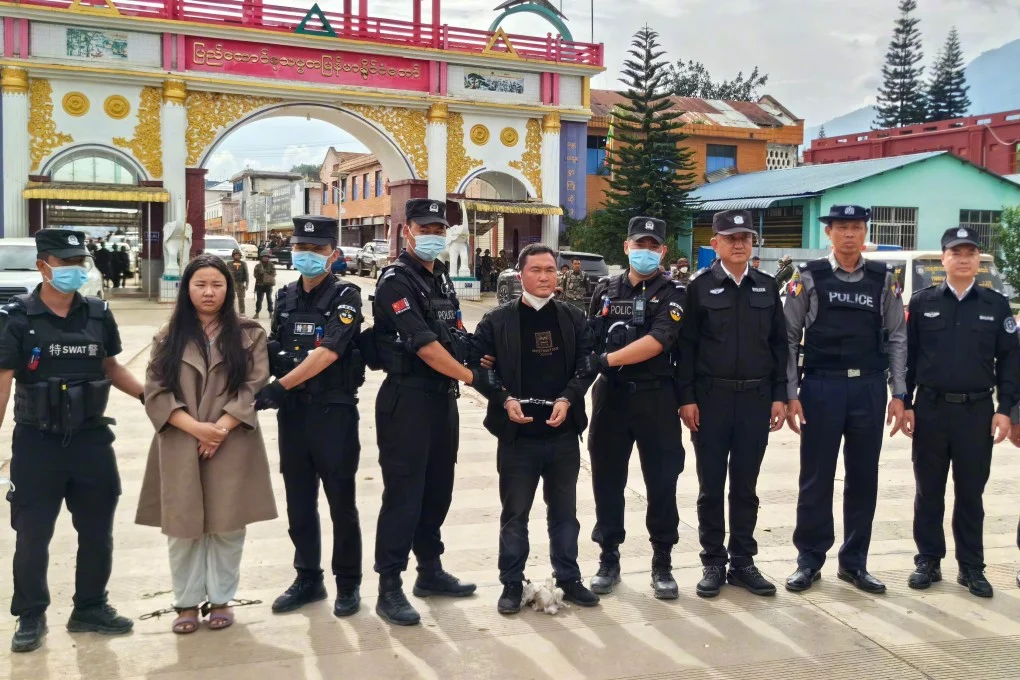
Proceedings unfolded over months, with trials commencing after extraditions from Myanmar in early 2024. Prosecutors presented evidence of over 10,000 victim testimonies, digital transaction logs tracing $1.4 billion in fraud, and forensic details from the 2023 killings. Several defendants, including Ming Julan, issued public apologies on CCTV, admitting to “irreparable harm” caused by their actions. Ming Xuechang’s suicide in custody during pretrial detention—reportedly by hanging—deprived the court of his testimony but did not halt the case.
The verdicts, delivered en masse, reflect China’s judicial efficiency in transnational cases, where convictions rates exceed 99% for organized crime. This sentencing aligns with Beijing’s 2023 directive to eradicate border scams, which has repatriated over 53,000 Chinese nationals from Myanmar compounds. By executing or imprisoning en masse, authorities aim to dismantle familial networks that regenerate leadership upon losses.
Implications for Regional Crime and International Cooperation
The Ming verdict reverberates beyond Wenzhou, exposing vulnerabilities in Southeast Asia’s scam ecosystem and bolstering China’s influence in Myanmar’s civil war. Laukkaing’s fall to rebels in 2023, justified partly as an anti-scam purge, has scattered operations to Cambodia and Laos, but Beijing’s pressure has yielded results: Thailand shuttered compounds earlier in 2025, and the UN has hailed the crackdown as a model against the “scamdemic.” Yet challenges persist; adaptive syndicates now use AI-driven fraud, evading traditional policing.
For Myanmar, the handover of Ming suspects underscores the junta’s desperation amid rebel gains, trading criminals for potential Chinese aid. The Kokang Border Guard Force, once a Ming stronghold, lies fractured, weakening junta proxies. Internationally, the U.S. Institute of Peace notes that disrupting families like the Mings could reclaim billions for victims, but requires sustained multilateral action. Interpol coordination has intensified, with rewards up to $70,000 for remaining fugitives.
China’s approach—combining military signaling, extraditions, and exemplary punishments—deters aspiring kingpins while repatriating victims for rehabilitation. Over 10,000 workers freed from Laukkaing compounds received counseling and job training upon return. Critics, however, question the fate of non-Chinese trafficked persons and the rebels’ own scam tolerances. As sentences take effect, immediate executions loom within months, pending final approvals. This case not only avenges fraud’s toll but redefines border security in an era of digital crime, urging global vigilance against empires built on deception.
مولتی ویتامین موتانت، یک مکمل
جامع و قدرتمند است که بهطور خاص برای نیازهای
ورزشکاران و بدنسازان طراحی شده است.
پروتئین وی ایزوله، دارای پروتئین بالا و چربی و کربوهیدرات پایینتری نسبت به سایر انواع پروتئین است.
پروتئین وی هیدرولیز، باعث میشود تا با سرعت بیشتری به هدف موردنظرکه اندامی خوش فرم است برسید.
پروتئین وی، باعث میشود تا با سرعت بیشتری به هدف موردنظرکه اندامی خوش فرم است برسید.
فیتنس مکمل، منبع بهترین مکمل های اروجینال برای افرادی است که به سلامت و زیبای اندام خود، و کیفیت و اصالت مکمل ورزشی اهمیت میدهند.
پروتئین کازئین، یکی از دو پروتئین اصلی موجود در شیر است (پروتئین دیگر، آب پنیر یا وی است).
مکمل کراتین، مکملی محبوب در دنیای بدنسازی و ورزش، ترکیبی طبیعی است که از سه اسیدآمینه آرژنین، گلایسین و متیونین در بدن تولید میشود.
مکمل پروتئین، این ماکرومغذی قدرتمند، اساس ساختار سلولها و عضلات ماست.
مکمل کراتین مونوهیدرات، یک ترکیب طبیعیه که از سه اسید آمینه گلیسین، آرژنین و متیونین ساخته میشه و به طور عمده در عضلات اسکلتی ذخیره میشه.
مولتی ویتامین، مکملهایی هستند که ترکیبی از ویتامینها و مواد معدنی ضروری را در یک قرص یا کپسول گرد هم میآورند.
مکمل ویتامین، مواد حیاتی ای است که بدن ما برای عملکرد صحیح به آنها نیاز دارد.
مکمل کراتین ترکیبی، مثل یه تیم فوتبال حرفهای میمونه که هر بازیکنش یه کار خاص رو به نحو احسن انجام میده.
وی ناترند، مکملی با کیفیت بالا برای رشد عضلات، جلوگیری از تحلیل عضلانی و تأمین پروتئین روزانه ورزشکاران است.
وی ایزوله موتانت 727 گرمی، در اصل یک مکمل پودری پروتئینی فوقالعاده با کیفیت است که عمدتاً از پروتئین وی ایزوله و همچنین پروتئین وی هیدرولیز شده تشکیل شده است.
وی ایزوله ماسل اسپرت، مکملی با کیفیت بالا و مناسب برای افزایش توده عضلانی بدون چربی، چربیسوزی و بهبود ریکاوری است.
پروتئین هگزا پرو المکس، یک مکمل پروتئینی پیشرفته و باکیفیت است که برای تغذیه طولانیمدت عضلات ورزشکاران طراحی شده است.
وی استروویت، یک منبع پروتئین و کربوهیدرات پیچیده است که هضم و جذب بسیار سریعی دارد و در معده باقی نمیماند.
قیمت وی ایزوله ناترکس، به نسبت کیفیت ان بسیار پایین است و ایزوفیت کم قند، چربی، کربوهیدرات و کالری بوده.
وی ایزوله استروویت، با تامین سریع و باکیفیت تمام آمینو اسیدهای ضروری، به ویژه آمینو اسیدهای شاخهدار ، به کاهش خستگی مرکزی کمک میکند.
کراتین اینر آرمور، میتواند به شما در ریکاوری و بهبود عملکرد ورزشی کمک کند.
وی ایزوله ماسل تک 1 کیلویی، در واقع یک پودر پروتئین آب پنیر ایزوله شده است که با تکنولوژیهای پیشرفته میکروفیلتراسیون و اولترافیلتراسیون فرآوری شده.
وی ایزوله اپلاید نوتریشن ایکس پی، یک مکمل پروتئین وی ایزوله ۱۰۰% خالص است که توسط شرکت بریتانیایی تولید میشود.
کراتین ویسلی 300 گرمی، در واقع نام تجاری یک مکمل ورزشی است که معمولاً حاوی کراتین مونوهیدرات خالص میباشد.
وی بلولب یو اس ان، ترکیبی از وی ایزوله میکروفیلتردار، وی کنسانتره و وی هیدرولیز است که جذب بالایی دارد.
وی کیسه ای اپتیموم، یکی از پرفروشترین پودرهای پروتئین وی در دنیاست.
وی ناترند ۱ کیلویی، در واقع یک مکمل پروتئینی باکیفیت و حرفهای است که توسط شرکت معتبر اروپایی تولید میشود.
وی گلد استاندارد اپتیموم نوتریشن، صرفاً یک پودر پروتئین نیست؛ بلکه یک ابزار استراتژیک برای بهینهسازی عملکرد بدن و ذهن شماست.
وی ایزوله ایزوجکت ایوژن، از تصفیه سهگانه با فیلتر سرد (Triple Cold-Filtered) بهره میبرد.
وی سینتا 6 بی اس ان 1 کیلویی، یک ماتریس پروتئینی فوق حرفهای است که برای حمایت مداوم از عضلات شما، در تمام طول روز و شب طراحی شده است.
وی الیمپ کیسه ای، یک ترکیب حرفهای از دو نوع پروتئین وی با کیفیت فوقالعاده است.
مولتی ویتامین ایوژن، توسط یک برند معتبر در دنیای فیتنس تولید شده و فرمولاسیون آن به طور خاص برای کسانی بهینه شده است که در سطح بالایی از فعالیت بدنی قرار دارند.
کراتین ترکیبی سل تک ماسل تک، یک فرمولاسیون پیشرفته است که برای به حداکثر رساندن جذب و کارایی کراتین در سطح سلولی طراحی شده است.
اپتی من، یک مولتی ویتامین جامع و قدرتمند است که به طور اختصاصی برای نیازهای تغذیهای آقایان، به ویژه ورزشکاران، طراحی شده است.
کراتین ترکیبی انابولیک کوین لورون، نتیجهی سالها تجربه و علم پشت سر یکی از اسطورههای بزرگ بدنسازی، کوین لورون، هست.
کراتین ترکیبی موتانت، از سه نوع کراتین مختلف را در خود جای داده است تا حداکثر جذب، کارایی و حداقل عوارض جانبی را تضمین کند.
کراتین ترکیبی انیمال یونیورسال، یک فرمولاسیون پیشرفته و چندگانه است که برای به حداکثر رساندن قدرت و عملکرد ورزشی طراحی شده.
کراتین چیست، یک ترکیب طبیعی است که در بدن انسان تولید میشود و نقش کلیدی در تأمین انرژی سریع و قدرتمند برای عضلات ایفا میکند.
وی رول وان، یکی از مکملهای برجسته در بازار جهانی است که عمدتاً برای حمایت از عضلهسازی، ریکاوری سریع، و بهبود کلی عملکرد ورزشی طراحی شده است.
ایزوفیت، وی ایزوله ایزوفیت ناترکس حاوی ۲۵ گرم پروتئین وی ایزوله ۱۰۰٪ در هر سروینگ است که با روش میکروفیلتراسیون پیشرفته تولید شده و جذب سریع دارد.
وی بی پی ای HD، در واقع یک ترکیب فوقپیشرفته از پروتئینهای وی با سرعت جذب متفاوت است.
وی ایزوله ایوژن اصل، از تصفیه سهگانه با فیلتر سرد (Triple Cold-Filtered) بهره میبرد.
کازئین، یکی از دو پروتئین اصلی موجود در شیر است (پروتئین دیگر، آب پنیر یا وی است).
پروتئین کازئین اپلاید نوتریشن، یک مکمل حیاتی و ایده آل برای ورزشکارانی است که به دنبال سوخترسانی طولانیمدت به عضلات خود هستند.
وی ایزوله ایوژن، از تصفیه سهگانه با فیلتر سرد (Triple Cold-Filtered) بهره میبرد.
کراتین رول وان، یک مکمل غذایی-ورزشی بسیار با کیفیت است که عمدتاً از کراتین مونوهیدرات خالص و میکرونیزه تشکیل شده است.
مولتی ویتامین رول وان اقایان، با بیش از ۵۰ ماده فعال، شامل ۲۴ ویتامین و ماده معدنی ضروری، آمینو اسیدها، آنزیمهای گوارشی، و عصارههای گیاهی، یک سر و گردن از مولتی ویتامینهای بازاری بالاتر است.
کراتین رول وان 400 گرمی، یکی از معدود مکملهایی است که توسط اکثر سازمانهای معتبر ورزشی و پزشکی تأیید شده است.
وی ایزوله رول وان، از پروتئین آب پنیر ایزوله و هیدرولیز شده تهیه شده، یعنی خالصترین شکلی از پروتئین که میتوانید پیدا کنید.
وی اسکال لبز، با تکیه بر فرمولاسیون پیشرفته و خلوص
بالا، نامی برای خود دست و پا
کرده است.
وی اسکال لبز، با تکیه بر فرمولاسیون پیشرفته و خلوص بالا، نامی برای خود دست و پا کرده است.
وی ایزوله اسکال لبز، یکی از خالصترین و باکیفیتترین پروتئینهای موجود در بازار مکملهای ورزشی است که توانسته جایگاه خوبی بین ورزشکاران حرفهای پیدا کند.
کراتین بست بی پی ای، با ارائه فرمهای مختلف، این اطمینان حاصل کرده که بدن شما حداکثر میزان کراتین رو دریافت و ذخیره میکنه.
پروتئین کازئین میسلار فا، همانطور که از نامش پیداست، از برند معتبر FA (Fitness Authority) و یک پروتئین کامل است که از شیر استخراج میشود.
وی انیمال یونیورسال، ترکیب قدرتمندی از پروتئین وی ایزوله و کنسانتره فوقفیلتر شده است که طراحی شده تا دقیقاً اون چیزی رو به عضلات شما بده که برای رشد سریع، ریکاوری بهتر و عملکرد بالاتر بهش احتیاج دارند.
کراتین انیمال یونیورسال، با فرمولاسیون خالص مونوهیدرات خود، تمام آن چیزی است که شما از یک مکمل کراتین درجه یک انتظار دارید و هیچ چیز اضافی و فیلری در آن نیست.
پروتئین کازئین گلد کوین لورون، با فرمولاسیون ممتاز خود که معمولاً حاوی “کازئین میسلار” (Micellar Casein) است، اطمینان میدهد که جریان ثابتی از آمینو اسیدهای ضروری را دارد.
کراتین ترکیبی فا نوتریشن، با ترکیبی از اشکال مختلف کراتین مانند کراتین هیدروکلراید (HCl)، دی کراتین مالات، و کراتین آلفا کتوگلوتارات (AKG) روبرو هستید.
مکمل امگا 3، اسیدهای چرب حیاتی هستند که بدن ما نمیتواند خودش تولید کند.
مکمل امگا 3 رول وان، با اسیدهای چرب امگا 3، به ویژه EPA (ایكوزاپنتانوئیك اسید) و DHA (دوكوزاهگزائنوئیك اسید)، نه فقط برای قلب و عروق خوبن، بلکه قسمت عمدهای از بافت مغز رو تشکیل میدن.
ال وی کلاسیک المکس، یک مکمل پروتئین وی ترکیبی و باکیفیت است که توسط کمپانی معتبر AllMax Nutrition کانادا تولید میشود.
کراتین ال مکس 100 گرمی، یک مکمل کراتین مونوهیدرات بسیار خالص و با کیفیت دارویی است که توسط کمپانی کانادایی AllMax Nutrition عرضه میشود.
وی ایزوله انابولیک کوین لورون، یک مکمل پروتئین وی بسیار پیشرفته است که توسط برند ورزشی Kevin Levrone Signature Series تولید میشود.
گینر مای پروتئین 2/5 کیلویی، یک مکمل غذایی با کالری و کربوهیدرات بالا است که برای ورزشکاران، بدنسازان و افرادی که به سختی وزن اضافه میکنند (Ectomorphs) طراحی شده است.
مکمل گینر، که گاهی با نامهایی چون Weight Gainer یا Mass Gainer نیز شناخته میشود، یک مکمل غذایی پرکالری است که برای کمک به افرادی که در افزایش وزن و حجم عضلانی مشکل دارند (معمولاً افراد دارای متابولیسم بالا یا اکتومورفها) طراحی شده است.
پرو گینر اپتیموم نوتریشن گلد استاندارد، پاسخی هوشمندانه به نیاز ورزشکارانی است که نمیخواهند با مصرف کالریهای بیهوده، زیبایی اندام خود را فدای حجم کنند.
امگا 3 مای ویتامینز 250 عددی، یک مکمل غذایی پرطرفدار است که توسط برند معتبر بریتانیایی Myvitamins تولید میشود.
وی ایزوله بی پی ای، یک مکمل پروتئین وی با کیفیت فوقالعاده بالا است که توسط کمپانی BPI Sports تولید میشود.
گینر موتانت ۳ کیلویی، یک مکمل افزایش وزن و حجم عضلانی (Mass Gainer) است که توسط کمپانی Mutant تولید میشود.
گینر یو اس ان ۴ کیلویی، در واقع اشاره به یکی از محصولات پرطرفدار و باکیفیت شرکت یو اس ان (USN) دارد.
کراتین ترکیبی ماسل تک 1 کیلویی، در واقع به “پادشاه کراتینهای ترکیبی” اشاره دارد.
مولتی ویتامین اپتی وومن 60 عددی، پاسخ قاطع این کمپانی به نیازهای خاص بدن زنان است.
وی دایت اپلاید نوتریشن، یک مکمل هیبریدی یا ترکیبی پیشرفته است.
امگا 3 ماسل تک پلاتینیوم، ژلکپسولهایی (Softgels) هستند که هر کدام حاوی ۱۰۰۰ میلیگرم روغن ماهی خالص هستند.
کربو ایوژن ویتارگو رژیمی، که با نام تجاری Evogen GlycoJect شناخته میشود، یک مکمل کربوهیدراتی فوق پیشرفته است که قلب تپنده آن یک کربوهیدرات ثبت شده به نام ویتارگو (Vitargo®) است.
کراتین هیدروکلراید، حاصل اتصال مولکول استاندارد کراتین به “هیدروکلریک اسید” است.
کراتین هیدروکلراید ماسل تک، ترکیبی از نوآوری علمی و نیاز واقعی ورزشکاران است.
کراتین هیدروکلراید یو اس ان، یک مکمل ورزشی پیشرفته است که توسط شرکت USN تولید میشود.
وی ایزوله ناترند، پروتئینی که ساختار بیولوژیکیاش کاملاً حفظ شده، چربی و قند آن تقریباً به صفر رسیده.
گینر اتمیک نوکلیر، با ارائه ترکیبی هوشمندانه از ماکرونوتریینتها، به شما اجازه میدهد کالری مایع با کیفیتی را وارد بدن کنید که به سرعت جذب میشود.
کراتین میکرونایز اپتیموم نوتریشن 300 گرمی، از نوع کراتین مونوهیدرات است، و اپتیموم نوتریشن از نشان تجاری Creapure® استفاده میکند.
وی ایزوله ردکان، ترکیبی از دو نوع پروتئین بسیار باکیفیت است: پروتئین وی ایزوله و پروتئین وی هیدرولیز.
پروتئین وی بادی بیلدر، حاوی دو نوع پروتئین کازئین (دیر جذب) و پروتئین وی (زود جذب) است.
کراتین مای پروتئین 250 گرمی، دقیقاً همان چیزی است که علم ورزش سالهاست بر آن تاکید دارد.
کراتین دیاموند اکتیولب، ماتریس هوشمندانهای دارد که جذب را به حداکثر میرساند.
کراتین اچ سی ال دنیس جیمز، محصولی پیشرفته از سری Signature، نسخهای نوین از کراتین است.
پروتئین وی موتانت، با فرمولاسیون پیشرفته و ترکیبات دقیق، یک مکمل کامل برای حمایت از رشد عضلات و بهبود عملکرد ورزشی است.
پروتئین وی دنیس جیمز، محصولی است که با نظارت مستقیم دنیس جیمز مربی شناختهشده بدنسازی مسترالمپیا تولید میشود.
پروتئین وی گلد کوین لورون، تمرکز خود را بر روی کنسانتره پروتئین وی (WPC) با کیفیت بالا گذاشته است.
مس گینر ویکتور مارتینز، فلسفهای از تغذیه است که توسط خود ویکتور مارتینز طراحی شده است.
مس گینر دنیس جیمز، یک مکمل ورزشی استراتژیک برای افزایش حجم عضلانی است.
کربو رونی کلمن کیسه ای، بر پایه ایده “جذب سریع و فازبندی شده” بنا شده است.
پروتئین وی پریمیوم گلد ویکتور مارتینز، یک مکمل ورزشی پیشرفته و باکیفیت است تحت نظارت مستقیم ویکتور مارتینز.
وی دایماتیز، یک مکمل پروتئینی بسیار محبوب و با کیفیت است.
کراتین ایس فا نوتریشن، یک پارادایم شیفت (Paradigm Shift) در مهندسی مکملها است.
پروتئین وی ایزوله وایکینگ فورس، نتیجه فرآیندهای پیچیده میکروفیلتراسیون جریان متقاطع (CFM) است.
مس گینر ماسل کور، مفهوم تراکم کالری (Caloric Density) است.
مس گینر اسکال لبز، یک مکمل غذایی با دانسیته کالری بسیار بالا (High-Calorie Density) است.
کراتین رونی کلمن، یک مکمل ارگوژنیک (افزایشدهنده عملکرد) است که از ۱۰۰٪ کراتین مونوهیدرات خالص تشکیل شده است.
کراتین بادی اتک، یکی از باکیفیتترین و معتبرترین مکملهای کراتین در سطح جهان است.
گینر ایوژن سوپر هیوج، یکی از حرفهایترین و باکیفیتترین مکملهای افزایش وزن و حجم در دنیاست.
پروتئین وی بادی اتک، در هسته مرکزی خود، ترکیبی هوشمندانه از “وی کنسانتره” (Ultra-filtered Whey Concentrate) و “وی هیدرولیزه” (Hydrolyzed Whey) است.
گینر بادی اتک، ترکیبی هوشمندانه از کربوهیدراتهای پیچیده و پروتئینهای چند مرحلهای است.
وی ایزوله بادی اتک، یکی از باکیفیتترین و خالصترین مکملهای پروتئینی در سطح جهان است.
کراتین پلاتینیوم ماسل تک، یکی از خالصترین و پرفروشترین مکملهای کراتین در سطح جهان است.
مس گینر کرتیکال اپلاید نوتریشن، یک فرمولاسیون فوقحرفهای است که فراتر از یک گینر معمولی برای افزایش وزن است.
کراتین بد اس، یک مکمل پیشرفته و قدرتمند است که برخلاف کراتینهای معمولی، ترکیب چندین نوع مختلف کراتین است.
پروتئین وی امپایر وایکینگ فورس، ریشه در سوئد دارد، کشوری که استانداردهای کنترل کیفیتش در صنایع غذایی و مکمل، زبانزد عام و خاص است.
پروتئین وی گالوانایز، یک مکمل غذایی محبوب در بین ورزشکاران و افرادی است که به دنبال افزایش مصرف پروتئین خود هستند.
کراتین مونوهیدرات گالوانایز، یکی از محبوبترین و مورد مطالعهترین مکملهای ورزشی در جهان است.
مس گینر گالوانایز، یکی از بهترین گزینههای شماست اگر دنبال یک مکمل قوی برای افزایش میزان ماسه و تقویت عضلات هستید.
مس گینر بد اس، یک مکمل غذایی قدرتمند است که به طور خاص برای ورزشکاران و افرادی که به دنبال افزایش حجم عضلانی و قدرت بدنی هستند، طراحی شده است.
مس گینر روولوشن ماسل اسپرت، یک سیستم کامل برای افزایش کالری دریافتی و پشتیبانی از ریکاوری عضلانی است.
وی ایزوله ماسل کور، قلهی تکنولوژی فرآوری پروتئین وی است.
وی الایت دایماتیز، یک پروتئین ترکیبی هوشمند است.
کراتین بلید اسپورت، با درجه خلوص دارویی تولید میشود.
پروتئین وی بلید اسپرت، به دلیل سرعت جذب بالا و پروفایل کامل آمینو اسیدی، پادشاه پروتئینها لقب گرفته است.
وی ایزوله بلید اسپرت، محصول کمپانی Blade Sport مجارستان است که با استفاده از تکنولوژیهای پیشرفته فیلتراسیون تولید شده است.
کراتین هیدروکلراید کیجد، یک فرم پیشرفته و مهندسیشده از مکمل کراتین است.
مس گینر ماسل مکس بلید اسپرت، یک مکمل افزایش وزن و حجمدهنده پیشرفته با فرمولاسیون اروپایی (ساخت مجارستان) است.
پروتئین وی بد اس، یک مکمل پروتئینی با کیفیت بالا است که از شیر بهدست میآید
مولتی ویتامین پلاتینیوم ماسل تک، یک مکمل غذایی باکیفیت است که به طور خاص برای ورزشکاران و افرادی که به دنبال بهبود عملکرد ورزشی خود هستند طراحی شده است.
کراتین مونوهیدرات موتانت، یکی از خالصترین و باکیفیتترین مکملهای افزایش قدرت و حجم در دنیاست.
وی ایزوله اپتیموم نوتریشن، را میتوان استاندارد طلایی و مهندسیشدهترین فرم پروتئین وی دانست.
پروتئین وی ایزوله آلمکس، نماینده نسل جدیدی از پروتئینهاست.
وی بادی بیلدینگ، یک مکمل پروتئینی ترکیبی و خوشنام است.
کراتین ناترند، با بالاترین استانداردهای کیفی اروپا تولید شده و خلوص آن تضمین شده است.
مس گینر ناترکس، در واقع یک فرمولاسیون پیشرفته و یک بمب کالری مهندسیشده است.
کراتین دایماتیز، یکی از خالصترین، اثباتشدهترین و معتبرترین مکملهای انرژیزا در دنیای بدنسازی حرفهای است.
وی اپلاید، ترکیبی پیشرفته از پروتئین وی کنسانتره، ایزوله و هیدرولیز است.