
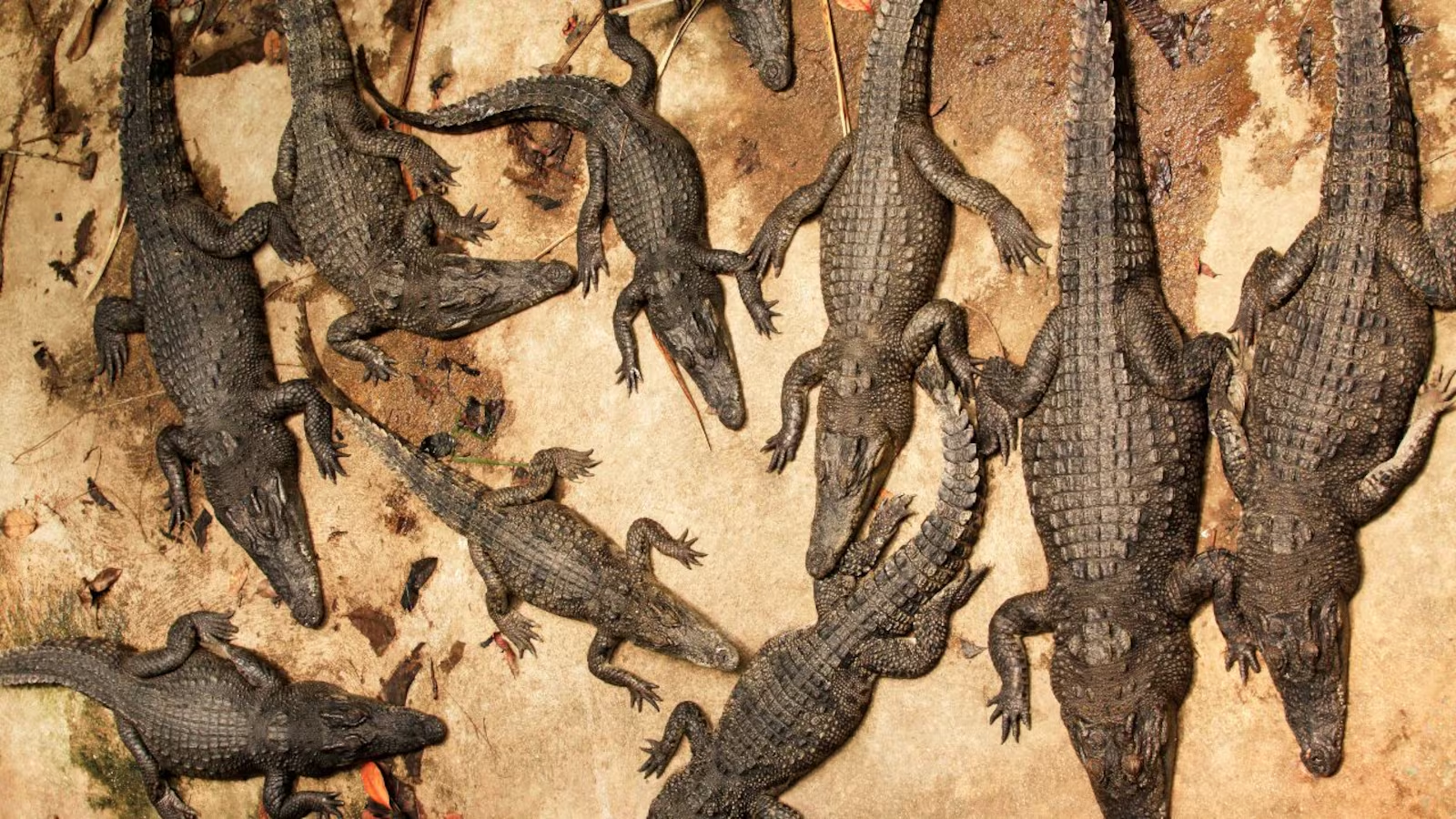
In a bizarre yet captivating event that has caught the attention of the public and stirred conversation across Chinese social media, a local court in Shenzhen, China, has announced to Auction 100 Tonnes of Live Crocodiles.
The auction is an effort to liquidate the assets of a once-prominent crocodile farming enterprise, the Guangdong Hongyi Crocodile Industry Company, previously run by the flamboyant businessman Mo Junrong—who had once earned the nickname “Crocodile God.”
With a starting bid of four million yuan (approximately US$550,000), the auction promises more than just a glimpse into the peculiarities of the Chinese judicial auction system—it highlights the country’s burgeoning exotic animal farming industry, the challenges of liquidating unusual assets, and the cultural curiosity surrounding live animal auctions.
The Fall of the ‘Crocodile God’: Mo Junrong’s Empire Unravels
Mo Junrong, the man behind the crocodile empire, was not just a businessman—he was a figure of notoriety and fascination. Having founded Guangdong Hongyi Crocodile Industry Company in 2005 with a registered capital of over 50 million yuan (about US$7 million), Mo aimed to dominate China’s crocodile farming industry.
At its peak, the company cultivated Siamese crocodiles, which are considered valuable not only for their leather and meat but also for their perceived medicinal benefits in traditional Chinese health tonics and even crocodile wine.
The Siamese crocodile has been legally farmed in China since 2003 under regulated conditions, with strict licensing and environmental requirements. Mo’s operation seemed poised for long-term success, capitalizing on China’s growing appetite for exotic products and expanding middle-class consumer base.
However, somewhere along the way, Mo’s enterprise began to falter. Accumulating debts and failing to meet financial obligations, the company became entangled in legal proceedings that culminated in the seizure of its assets—including its formidable inventory of live crocodiles.
Read : 7-Year-Old Boy Lost Arm in Crocodile Attack During Fishing Trip in Roodekoppies Dam
Mo’s fall from grace mirrors many cautionary tales in the business world. Known for his extravagant claims and ambitions, Mo’s financial mismanagement and inability to sustain operations led to the collapse of his empire.
Read : Australian Villagers Kill and Eat Giant Crocodile Which Hunted Their Pets
The courts stepped in to manage the liquidation process, and what followed was one of the most peculiar auctions in China’s legal history: 100 tonnes of live, potentially dangerous reptiles being listed for public sale.
The Legal Logistics of Auctioning 100 Tonnes of Reptiles
The auction itself, organized by the Shenzhen Nanshan People’s Court, is taking place online through Alibaba’s Judicial Auction Platform—a digital marketplace managed by the tech giant to facilitate court-ordered sales of confiscated assets.
This platform has handled everything from luxury cars to unusual oddities, but the listing of 100 tonnes of crocodiles has arguably become its most surreal entry yet.
The sheer logistics of the auction are staggering. Weighing between 200 and 500 kilograms each, the Siamese crocodiles in the listing likely number between 200 and 500 individual animals. The court has made it clear that the winning bidder must take full responsibility for transporting the reptiles—there is no delivery option.
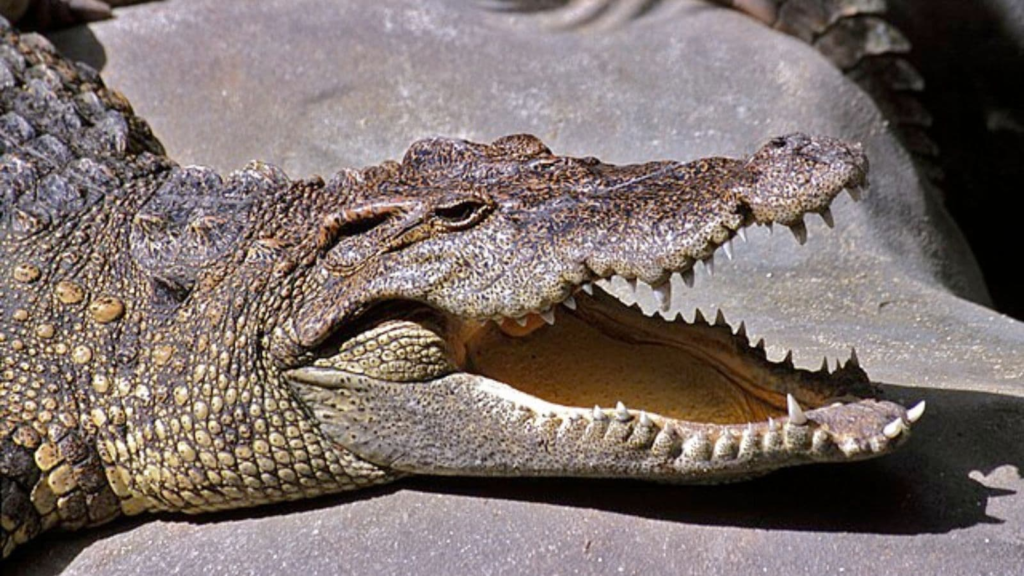
Interested parties must demonstrate that they possess the proper licenses under China’s aquatic wildlife breeding laws, as well as adequate facilities to safely house and manage such a substantial number of crocodiles.
In addition, the court has imposed a non-refundable deposit of 300,000 yuan (about US$41,000) that will be forfeited if the winning bidder fails to meet the legal and logistical requirements. These stipulations have raised eyebrows, not only for their severity but also for their implicit acknowledgment of how risky and complex the transaction truly is.
Unsurprisingly, the auction has not yet attracted any bidders. Despite the listing going live on March 10 and remaining open until May 9, over 4,000 visitors have merely browsed the page without placing a formal bid. This is, in fact, the court’s third attempt to auction off the crocodiles; previous efforts in January and February—at starting prices of five million and four million yuan respectively—ended without success.
A Source of Public Amusement and a Glimpse into China’s Auction Culture
What might otherwise have been a niche legal proceeding has turned into a viral talking point on Chinese social media platforms. Netizens have reacted to the auction with a mix of amusement, disbelief, and curiosity.
Some commenters expressed fear and awe at the prospect of handling such a dangerous asset, while others joked about the absurdity of needing an entire industry just to claim the prize. One user quipped, “It is so scary. I wonder who will buy them?” while another remarked, “This is not for an ordinary person. You will need a whole industry to handle them.”
This reaction isn’t entirely new in China’s court auction history. Last year, the Dafeng District People’s Court in Jiangsu province made headlines for attempting to auction off a bottle of Sprite—valued at less than a dollar—as part of the liquidation of a bankrupt millionaire’s assets.
While intended to demonstrate the thoroughness of asset recovery, such listings have sparked broader debates about whether judicial resources are being used effectively.
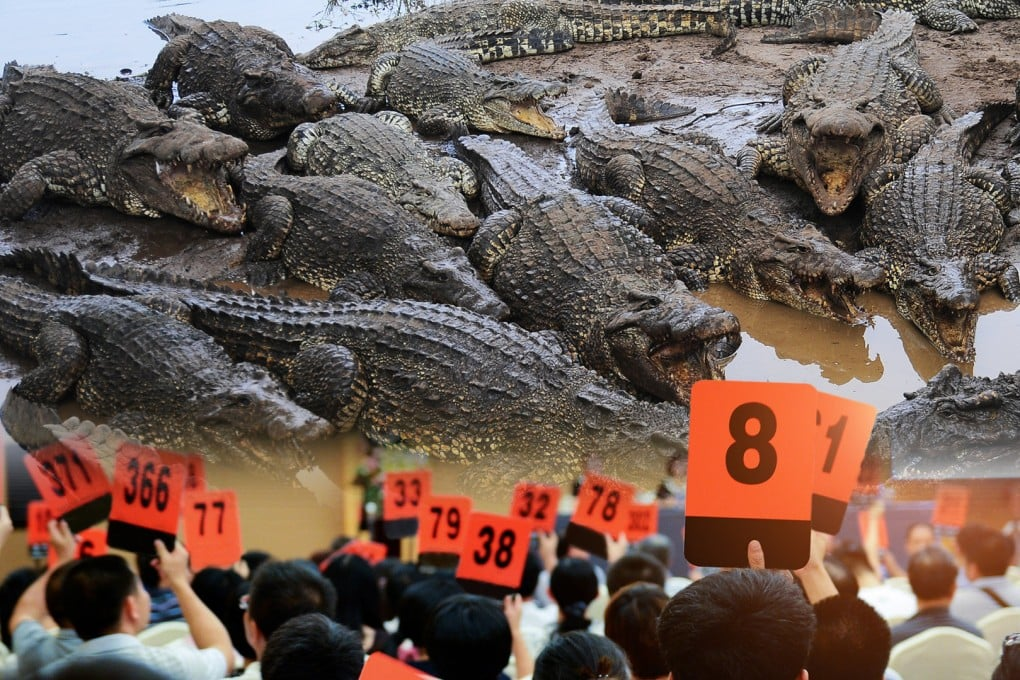
The crocodile auction, despite being much more substantial than a soda bottle, fits into this pattern of peculiar and highly publicized court auctions. These events often walk the line between judicial necessity and spectacle, drawing attention to China’s increasingly digitized and open approach to asset liquidation.
While the humor and shock value dominate headlines, underlying the auction is a serious attempt by the legal system to recoup value from failed businesses—even when those businesses dealt in live predators.
The story of the 100 tonnes of crocodiles, the man once hailed as the “Crocodile God,” and the court’s persistent efforts to sell these formidable creatures paints a vivid picture of modern China—where rapid economic growth, legal reform, and public entertainment sometimes collide in the most unexpected ways.
While the auction may not result in an immediate sale, it has succeeded in sparking a wider conversation about the peculiarities of the legal system, the exotic animal trade, and the role of public transparency in judicial proceedings.
Whether or not a buyer steps forward, the crocodiles now stand as unlikely symbols of a failed empire and a court system determined to uphold its duties—no matter how unusual the assets involved may be.