
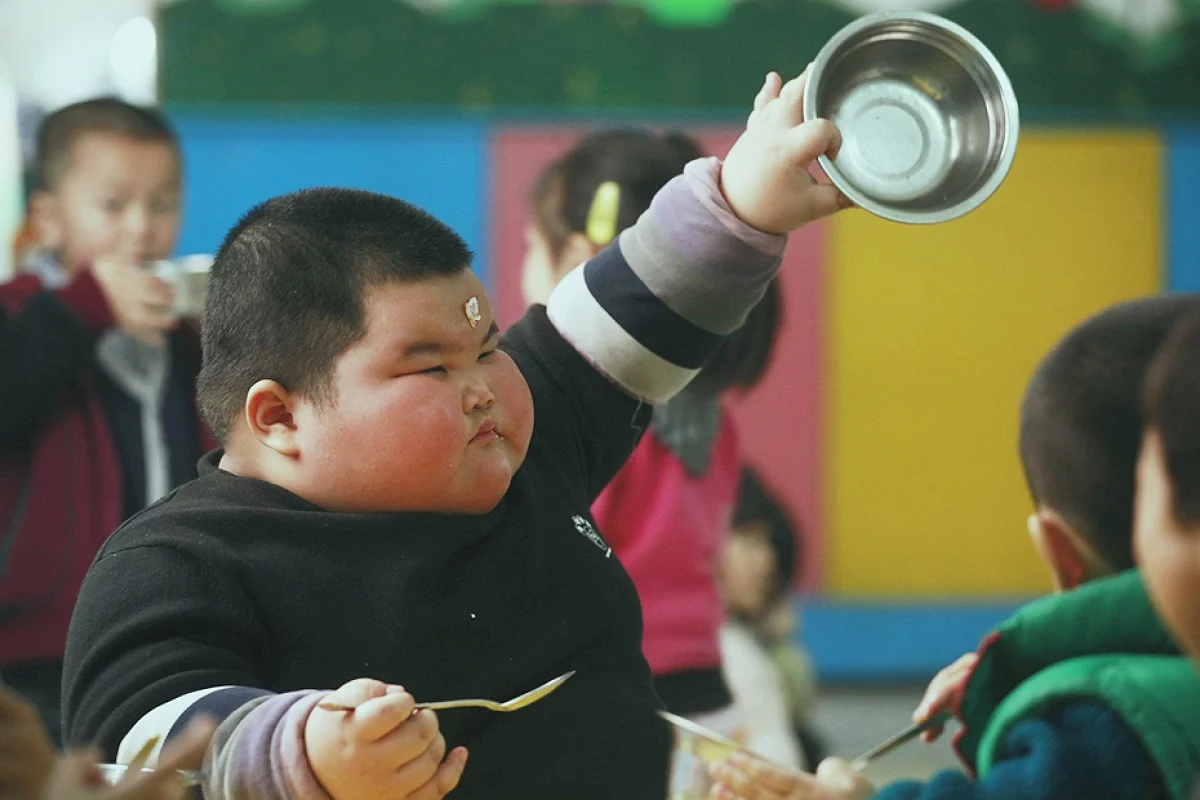
In a decisive step to address a growing public health challenge, China’s National Health Commission (NHC) has introduced its first set of national guidelines to standardize the diagnosis and treatment of obesity. Released on October 17, 2024, these guidelines are aimed at curbing the country’s escalating obesity crisis, which now affects over half of the adult population.
With obesity rates projected to reach alarming levels—65.3% of the population by 2030—the guidelines are an urgent response to a problem that has been steadily intensifying due to a combination of economic, social, and cultural factors.
This move marks a significant shift in China’s public health approach, reflecting the nation’s recognition of obesity as a critical issue that poses a serious threat to its population’s well-being. For centuries, China grappled with under-nourishment, especially during periods of economic hardship and famine.
However, the nation’s rapid modernization and economic growth in recent decades have transformed it into a new battleground: tackling the unintended health consequences of improved living standards, including obesity and its associated risks.
The Rise of Obesity in China: A Growing Public Health Crisis
The rapid modernization of China, with its burgeoning middle class and widespread economic prosperity, has been accompanied by a rise in sedentary lifestyles, unhealthy eating habits, and growing stress levels. As China’s economy evolved into a tech-driven global powerhouse, more jobs have become static and desk-bound, leaving little room for physical activity.
This shift has been particularly noticeable in urban areas, where long working hours, high levels of stress, and limited opportunities for exercise have contributed significantly to the problem.
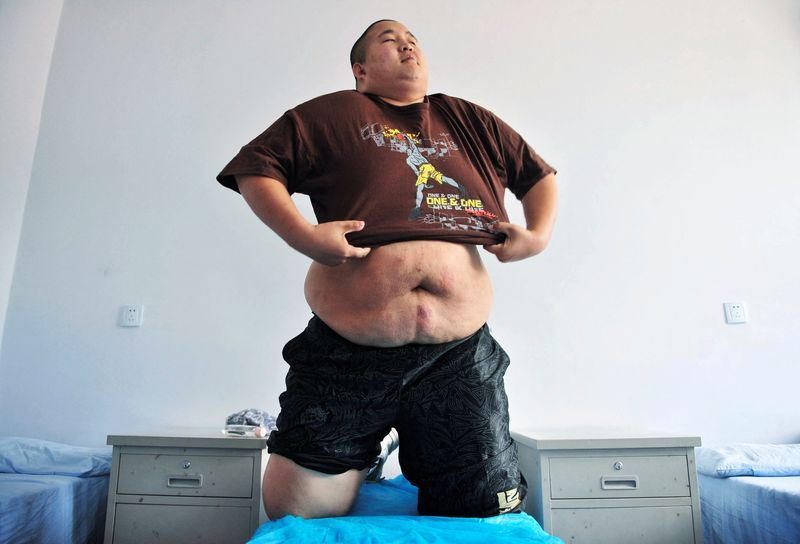
Obesity has emerged as one of China’s most pressing public health concerns, ranking as the sixth leading risk factor for death and disability in the country. The problem is not confined to the urban elite—rural areas have also witnessed a marked increase in overweight and obese individuals. As traditional agricultural jobs become less physically demanding and rural healthcare remains inadequate, the prevalence of obesity has grown even in regions where undernourishment once prevailed.
Read : Pets in China Being Sent to Work in Cafes to Earn Snack Money
The National Health Commission’s projections indicate that if current trends continue, China’s overweight or obese population could rise to an unprecedented 65.3% by 2030. This is a significant leap from the current figures, which already place over half of the adult population in the overweight or obese category.
The urgency of addressing this crisis is underscored by the potential long-term impact on public health systems, with obesity-related conditions such as cardiovascular disease, diabetes, and hypertension becoming increasingly prevalent.
Read : US Needs Chinese Students in Humanities, Indians in Science: American Diplomat Said
China’s obesity crisis is exacerbated by the availability of cheap, unhealthy foods in the wake of the country’s economic slowdown. With millions of people turning to inexpensive, high-calorie diets, the nation faces the dual challenge of combating both undernourishment in certain pockets and obesity across broader segments of the population. The gap between urban and rural health outcomes continues to widen, driven by disparities in access to quality healthcare, education, and lifestyle choices.
The Government’s Comprehensive Response: Guidelines and Public Awareness Campaigns
In response to the growing obesity epidemic, China has launched a multi-faceted approach aimed at both preventing and treating obesity. The NHC’s guidelines are a critical component of this strategy, offering a standardized framework for diagnosing and managing obesity across the healthcare system. These guidelines encompass a broad range of interventions, including clinical nutrition, surgical treatments, behavioral and psychological therapies, and exercise-based solutions.
The guidelines represent a collaboration between the NHC and 15 other government departments, underscoring the national importance of tackling this issue. One of the key figures involved in the drafting process, Zhang Zhongtao, deputy head of Beijing Friendship Hospital, emphasized that the guidelines provide clear protocols for healthcare providers on how to manage obesity from a multidisciplinary perspective. This includes not only physical treatments but also addressing the psychological and social aspects of the condition.
The introduction of these guidelines follows the launch of a national public awareness campaign in July 2024, which is designed to last for three years. The campaign is built around eight key slogans: lifelong commitment, active monitoring, a balanced diet, physical activity, good sleep, reasonable targets, and family action. These slogans aim to encourage the population to take a proactive role in managing their weight and overall health.
China has also rolled out specific measures targeting younger generations. In July 2024, health guidelines were distributed to primary and secondary schools across the country, emphasizing the importance of regular screening for obesity, daily physical exercise, and healthier eating habits. Schools have been urged to hire nutritionists and implement programs to reduce salt, oil, and sugar intake in students’ diets, promoting lifelong habits that could help stem the tide of obesity in the future.
This coordinated response reflects China’s recognition that obesity is a complex, multifactorial issue that cannot be addressed through individual behavior changes alone. By incorporating public education, healthcare interventions, and policy measures, the Chinese government aims to create an environment that supports healthier lifestyles at both the individual and community levels.
Societal and Economic Factors Driving China’s Obesity Crisis
At the heart of China’s obesity problem are several deeply ingrained societal and economic factors that have evolved over the past few decades. China’s economic modernization, while lifting millions out of poverty, has also introduced lifestyle changes that contribute to weight gain. Sedentary jobs in urban centers have replaced more physically demanding labor, leaving many Chinese with limited opportunities for daily physical activity.
Moreover, the stress associated with rapid urbanization and high-pressure jobs has led to poor lifestyle choices. In urban areas, long working hours, inadequate sleep, and unhealthy diets are prevalent, creating a perfect storm for obesity to thrive. The rise of fast food and processed snacks, often high in fat, sugar, and salt, has further compounded the problem, especially as these foods are seen as convenient and affordable options in the context of a busy, modern lifestyle.
Rural areas, though less industrialized, are not immune to the obesity epidemic. The mechanization of agriculture has reduced the physical demands of farm work, while healthcare infrastructure in rural China remains underdeveloped, leading to insufficient screening and treatment of obesity. Many rural residents, once accustomed to leaner, subsistence diets, are now exposed to processed, high-calorie foods that contribute to weight gain.
In addition to these lifestyle changes, China’s healthcare system faces a growing challenge in providing adequate treatment and prevention for obesity. While the country has made significant strides in improving access to healthcare in recent years, the system remains overburdened, with a focus on treating acute illnesses rather than preventing chronic conditions like obesity. As a result, many individuals do not receive the necessary interventions early enough to prevent long-term health consequences.

Addressing the obesity crisis in China will require not only changes in individual behavior but also a concerted effort from policymakers, healthcare providers, and communities. The introduction of national guidelines is a promising first step, but sustained efforts will be needed to ensure that these guidelines are effectively implemented and that the broader social, economic, and environmental factors driving the obesity epidemic are addressed.
China’s unveiling of its first national guidelines to combat obesity marks a pivotal moment in the country’s ongoing struggle with a growing public health crisis. With over half of the adult population already overweight or obese, and projections indicating that this figure could rise to 65.3% by 2030, the guidelines represent a critical response to an urgent problem. By standardizing the diagnosis and treatment of obesity, the Chinese government hopes to reverse the current trend and improve the health and well-being of its population.
The guidelines provide a comprehensive approach, incorporating clinical nutrition, surgical treatments, psychological interventions, and exercise-based solutions. At the same time, public awareness campaigns and school-based initiatives aim to foster healthier habits among the younger generation, laying the groundwork for a healthier future.
However, addressing the obesity crisis will require more than just guidelines and awareness campaigns. The underlying societal and economic factors driving the rise in obesity—sedentary lifestyles, unhealthy diets, and inadequate healthcare infrastructure—must be tackled head-on. China’s experience offers a valuable lesson to other nations grappling with similar challenges: combating obesity requires a multi-faceted, systemic approach that addresses both individual behavior and the broader context in which people live and work.