
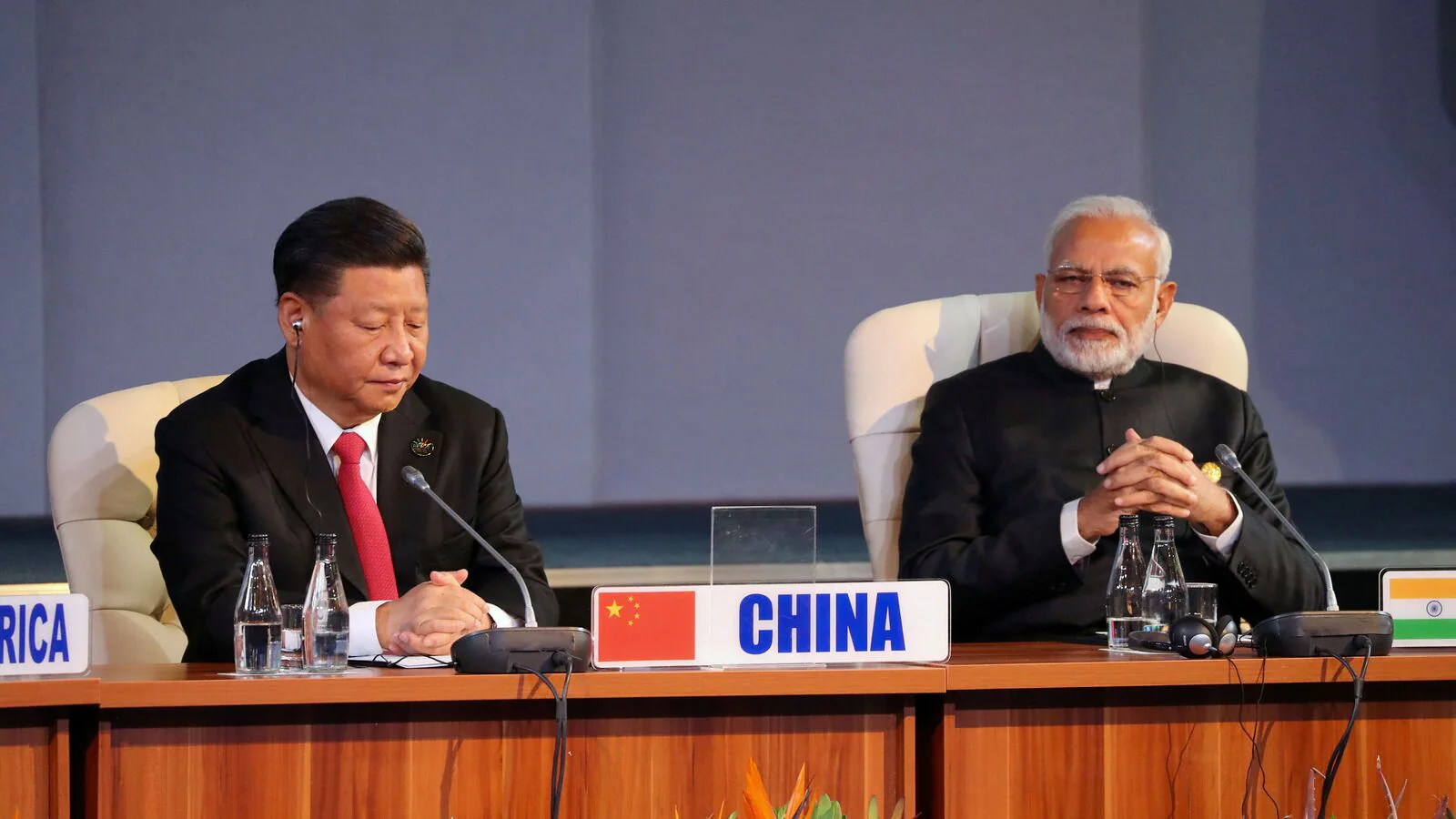
After a prolonged standoff that began in 2020, China has officially confirmed that it has reached an agreement with India to resolve the ongoing tensions in eastern Ladakh.
The situation along the Line of Actual Control (LAC) had become a focal point of military and diplomatic interactions between the two nations. However, both countries have now agreed to a disengagement process, marking a significant step toward de-escalation and restoring stability in the border region.
Diplomatic and Military Channels Leading to Resolution
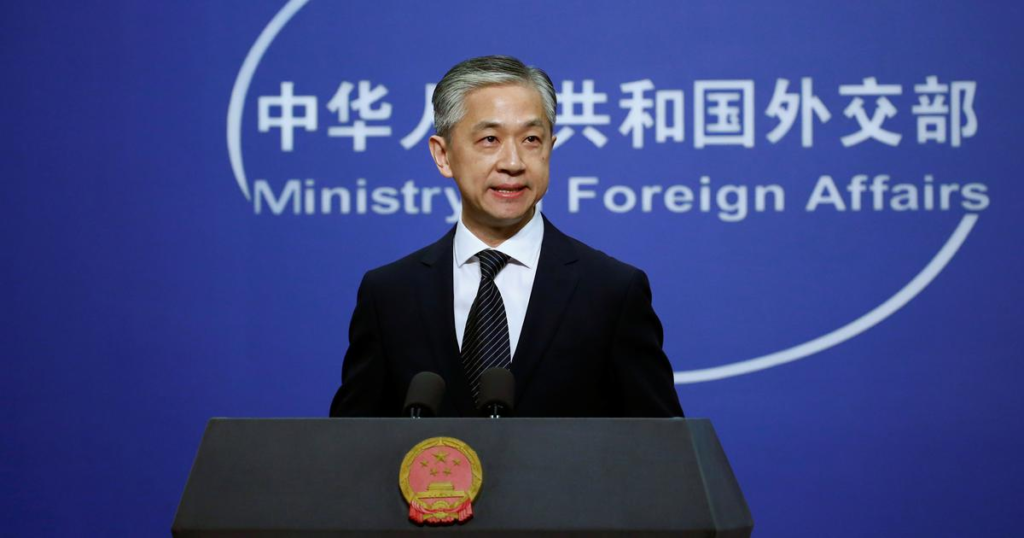
China’s foreign ministry spokesperson, Lin Jian, confirmed the agreement on Tuesday, stating that both countries had maintained close communication through various diplomatic and military channels. He highlighted that after extensive discussions, a solution had been reached, which China positively evaluated.
According to Lin Jian, the next step would involve working closely with India to implement the agreement and ensure the de-escalation of tensions along the LAC.
This statement was a formal acknowledgment of the efforts undertaken by both sides to resolve the standoff that has strained relations since the Ladakh conflict erupted in 2020. The standoff began when Chinese troops carried out aggressive maneuvers along the LAC, leading to several friction points and military confrontations, particularly in areas such as the Galwan Valley.
Read : India-China Reach Agreement on Border Patrolling Along LAC
The tensions eventually led to a violent clash in June 2020, resulting in casualties on both sides and sparking calls for disengagement and de-escalation.
Indian foreign secretary Vikram Misri also spoke about the negotiations, emphasizing the importance of the discussions between the two countries’ military commanders and diplomats. Over the past several weeks, these talks have resulted in an agreement on patrolling arrangements along the LAC.
According to Misri, this agreement is expected to lead to a full disengagement of troops and a return to the status quo that existed before the standoff began in May 2020.
Read : EU Tariffs on China Not a ‘Punishment’: German Economy Minister
The diplomatic efforts leading to the agreement were multifaceted. The Working Mechanism for Consultation and Coordination (WMCC) on India-China border affairs played a key role in facilitating communication between the two countries.
Regular military-level talks, particularly meetings between high-ranking military commanders, were instrumental in resolving tensions at several key points along the border. The negotiations, which spanned multiple rounds, addressed various contentious issues and ultimately resulted in the disengagement agreement.
The Road to Disengagement: What the Agreement Entails
One of the main outcomes of the agreement is the establishment of new patrolling arrangements along the LAC. These arrangements are designed to prevent future confrontations and ensure that both countries maintain their respective positions without escalating tensions.
According to external affairs minister S Jaishankar, the agreement signifies that the situation along the LAC will revert to the way it was before May 2020, when the standoff began.
Jaishankar elaborated on the details of the agreement during an NDTV event, explaining that the disengagement process has been completed. He mentioned that certain areas had remained unresolved for various reasons since 2020, but with the new understanding, patrolling would resume in a manner that ensures both sides respect the terms of the agreement.
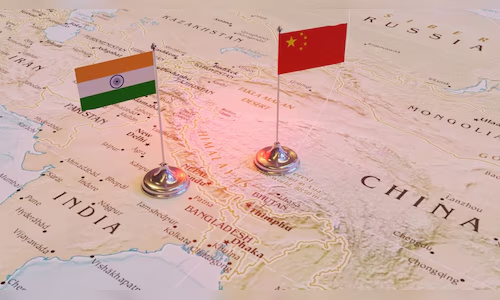
The situation in 2020 was marked by aggressive moves on both sides. When Chinese forces blocked Indian troops from patrolling certain areas, India responded by blocking Chinese movements in other areas. This led to a tense standoff, with both sides reinforcing their military positions and engaging in a dangerous game of brinkmanship.
However, with the disengagement agreement, the patrolling situation is expected to return to the pre-standoff status, easing the tensions that had built up over the past few years.
The disengagement agreement is seen as a significant achievement for both India and China, as it brings an end to a potentially volatile conflict that had the potential to escalate into a larger military confrontation. The resolution of the standoff also opens the door for improved relations between the two countries, although there are still underlying issues that will need to be addressed in the future.
Challenges and Future Prospects for India-China Relations
While the agreement to disengage is a positive development, there remain significant challenges in India-China relations. The standoff in Ladakh has been a major point of contention between the two countries, but it is not the only issue that has strained their relationship.
Both nations have long-standing disputes over their shared border, with competing territorial claims in regions such as Arunachal Pradesh and Aksai Chin. These disputes are unlikely to be resolved quickly and will require sustained diplomatic efforts to manage.
Furthermore, India has made it clear that relations with China will not fully normalize until the situation along the LAC returns to the pre-May 2020 status quo. Indian Army chief General Upendra Dwivedi reiterated this position, stating that Indian forces would only disengage with China once the situation at the LAC had returned to the status quo of April 2020.
This means that while the current agreement marks a step forward, it is not the end of the road for resolving the broader issues between the two countries.
The Ladakh standoff has also had a significant impact on India’s strategic calculations. In response to China’s actions, India has strengthened its partnerships with other regional powers, such as the United States, Japan, and Australia.
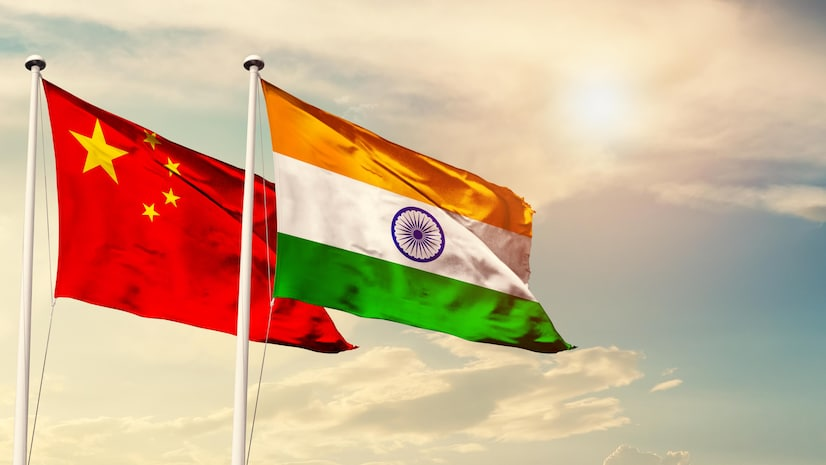
These partnerships, particularly through the Quadrilateral Security Dialogue (Quad), have given India a platform to counterbalance China’s influence in the Indo-Pacific region. The disengagement agreement with China is unlikely to change India’s broader strategic orientation, but it does offer an opportunity for both sides to stabilize their relationship in the short term.
China, too, faces challenges in managing its relationship with India. The Ladakh standoff has damaged China’s reputation in India and led to calls for a reevaluation of the economic and trade ties between the two countries. India has taken steps to reduce its reliance on Chinese goods and investments, while also increasing its defense cooperation with countries like the United States.
For China, maintaining stable relations with India is important for its broader strategic goals in the region, and the disengagement agreement is a step toward achieving that stability.
The agreement also highlights the importance of communication and diplomacy in resolving conflicts. Both India and China have shown that through sustained dialogue and negotiation, even the most intractable disputes can be addressed. The role of military commanders in facilitating the disengagement process was particularly important, as it allowed both sides to find practical solutions to the issues on the ground.
Looking ahead, the disengagement process will need to be closely monitored to ensure that both sides adhere to the terms of the agreement. The situation along the LAC remains fragile, and there is always the risk of new tensions emerging if either side perceives that the other is not complying with the terms of the agreement.
However, with both countries committed to implementing the agreement, there is reason to be cautiously optimistic about the future of India-China relations.
The recent agreement between India and China to disengage in Ladakh marks a significant milestone in resolving the standoff that has persisted since 2020. While challenges remain, the fact that both sides were able to reach a solution through diplomatic and military channels is a positive sign for the future.
The disengagement process will need to be carefully managed, but it offers the possibility of stabilizing the situation along the LAC and reducing the risk of further conflict. As India and China continue to navigate their complex relationship, this agreement represents a step toward de-escalation and the restoration of peace along their shared border.