

The tragic death of a 52-year-old Chinese woman in U.S. Border Patrol custody has sparked outrage and raised serious questions about the treatment of detainees and the oversight mechanisms within immigration enforcement facilities.
Detained for overstaying her visa, the Chinese Woman Dies by Suicide at Yuma station in Arizona—a place that has now become a symbol of growing concerns over the conditions faced by migrants and foreign nationals in detention. Her death has not only drawn attention from human rights advocates but also from lawmakers demanding accountability.
According to U.S. Representative Pramila Jayapal, who issued a statement condemning the circumstances of the woman’s death, Border Patrol agents allegedly failed to perform mandatory welfare checks.
Even more disturbingly, the agency did not publicly acknowledge her death until it was reported by an independent outlet, the Tucson Sentinel. This case has led to widespread calls for reform, deeper investigations, and a reassessment of how detainees are treated across the nation’s immigration enforcement system.
A tragic series of events leading to death
The unnamed woman, identified only as a 52-year-old Chinese national, was initially detained in California on March 26 after authorities discovered she had overstayed her B1/B2 visitor visa. Along with a 38-year-old Chinese man, she was stopped during a routine vehicle inspection.
According to Border Patrol’s own social media post, officers found and seized more than $220,000 hidden in aluminum foil inside their luggage. The source of the money was not disclosed in detail, but officials alleged it may have been linked to unspecified illegal activity.
Following her arrest, the woman was transferred to the Yuma Border Patrol station in Arizona. Just three days later, on March 29, she died by suicide in a holding cell at the facility.
Surveillance footage reportedly captured her fashioning a noose and hanging herself. Most alarmingly, no medical response occurred for approximately two hours following the act, which raises questions about the vigilance and responsibility of the officers tasked with her care.
Read : Decorated Army Soldier Jose Barco Living in US Since He Was 4 Faces Deportation
The official Border Patrol response, issued after the Tucson Sentinel brought the death to light, stated that medical assistance was rendered after she was found unresponsive and that emergency services transported her to a nearby hospital, where she was pronounced dead. However, this account does little to address the growing scrutiny over how and why her distress went unnoticed for so long.
Failures in duty and policy violations
Representative Pramila Jayapal, who serves as the ranking member of the House subcommittee overseeing immigration policy, issued a strong statement criticizing the apparent negligence. According to Jayapal, early reports indicate that Border Patrol agents failed to perform required welfare checks during the woman’s detention.
These checks, designed to monitor the physical and psychological wellbeing of individuals in custody, are standard procedure, especially in facilities where prolonged detention can cause severe mental strain.
Read : Over 400 Migrants Brought into the US by ISIS-Linked Network
What is perhaps more alarming is that the welfare checks that were logged in official records could not be verified. This implies not only a lack of action but also a possible attempt to falsify compliance. If confirmed, such misconduct would indicate a severe breakdown in protocol and accountability within the agency.
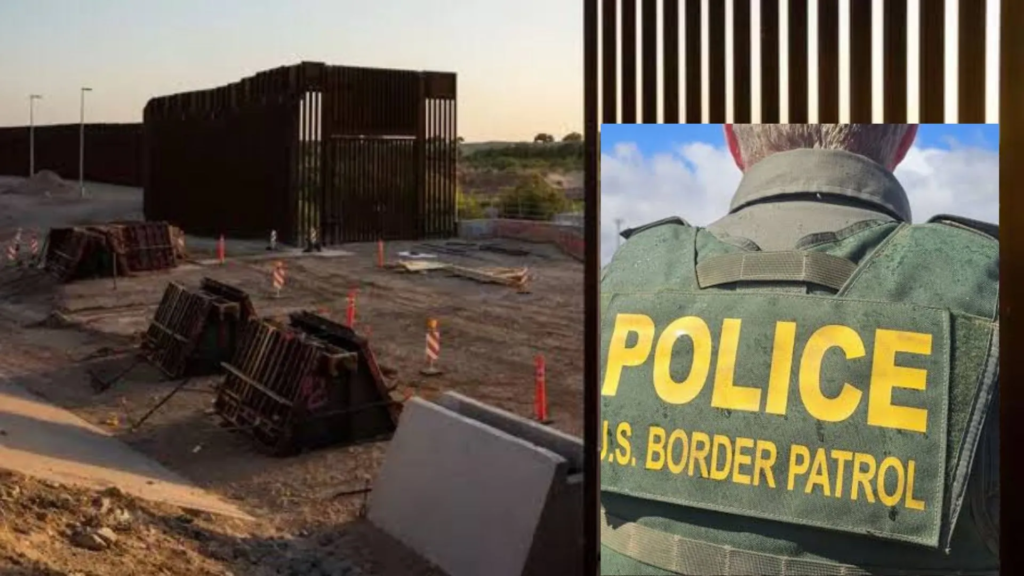
Jayapal questioned why there was no intervention before the woman had the chance to end her life and why false records might have been created. “As the CBP’s Office of Professional Responsibility investigates this death, they must provide answers on why these welfare checks were not conducted and falsely recorded,” she said, adding that the incident is a grim reflection of the U.S.’s failure to treat detained individuals with dignity.
While Border Patrol maintains that “all in-custody deaths are tragic, taken seriously, and are thoroughly investigated,” the delayed response and public disclosure of this death cast doubt on the sincerity of that statement. Advocacy groups and civil rights organizations have echoed Jayapal’s concerns and are pushing for independent oversight.
Broader implications for immigration detention in the U.S.
This tragedy isn’t an isolated event but part of a growing list of incidents that highlight the systemic issues plaguing U.S. immigration detention facilities. From inadequate medical care to mental health neglect and poor living conditions, the Border Patrol and Immigration and Customs Enforcement (ICE) have faced mounting criticism in recent years.
The woman’s suicide is particularly troubling because it underscores the mental health toll that detention can inflict on vulnerable individuals, especially those far from their home countries, facing uncertain futures, language barriers, and a lack of support. In such a high-stress environment, mental health monitoring is not just a recommended best practice—it is an ethical and legal obligation.
Detention centers are not prisons, but in many ways, they mirror the same punitive atmosphere. The lack of proper psychological screening, mental health resources, and trained personnel to handle crisis situations further compounds the risks. For immigrants detained for civil violations like visa overstays—rather than criminal acts—such treatment can seem excessively harsh.
Moreover, the alleged mishandling of welfare checks and the unexplained delay in medical response serve as a grim reminder that some detainees may be slipping through the cracks. With over a million people processed by Border Patrol each year, the need for systemic reform is urgent.
Lawmakers, including Jayapal, are calling for increased transparency, stronger independent oversight of detention facilities, and a re-evaluation of policies that result in long-term detentions for non-violent immigration violations. There’s also a growing consensus that CBP officers need better training, not just in enforcement, but also in humanitarian care and crisis intervention.
In the wake of this incident, the CBP’s Office of Professional Responsibility (OPR) has launched an internal investigation. However, critics argue that relying on internal investigations alone is insufficient, particularly when past inquiries have failed to yield significant reforms.
This incident also reignites debates surrounding alternatives to detention, including community-based programs and supervised release, especially for non-criminal immigration cases. Such programs have been shown to be not only more humane but also cost-effective and better at ensuring compliance with immigration proceedings.
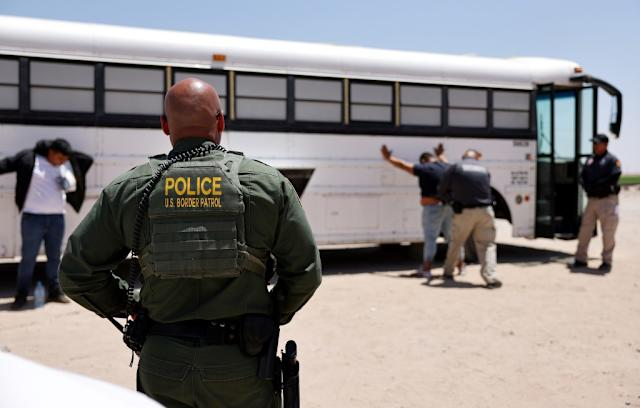
As public scrutiny intensifies, the Biden administration will likely face increased pressure to address the shortcomings of the current immigration detention system. Although several reforms have been proposed over the past few years, progress has been slow, partly due to political gridlock and partly due to institutional inertia.
The death of this Chinese woman should serve as a catalyst for meaningful change. Her story, while tragic, must not be forgotten or allowed to be swept under bureaucratic silence. It demands a reckoning—not just with how immigration enforcement is conducted, but with how we treat human beings in our care, regardless of their citizenship status.
The silence surrounding her death before media intervention also highlights the importance of independent journalism and public accountability. Without the Tucson Sentinel’s reporting, this death might have gone unnoticed by the broader public. It is a stark reminder of how transparency and oversight remain essential pillars of any democratic system.
In conclusion, this incident is more than just a case of bureaucratic failure—it is a humanitarian crisis that must be addressed with urgency, empathy, and accountability. Whether or not this tragedy becomes a turning point in U.S. immigration policy remains to be seen. But for now, it serves as a painful reminder of the lives at stake when systems fail.