
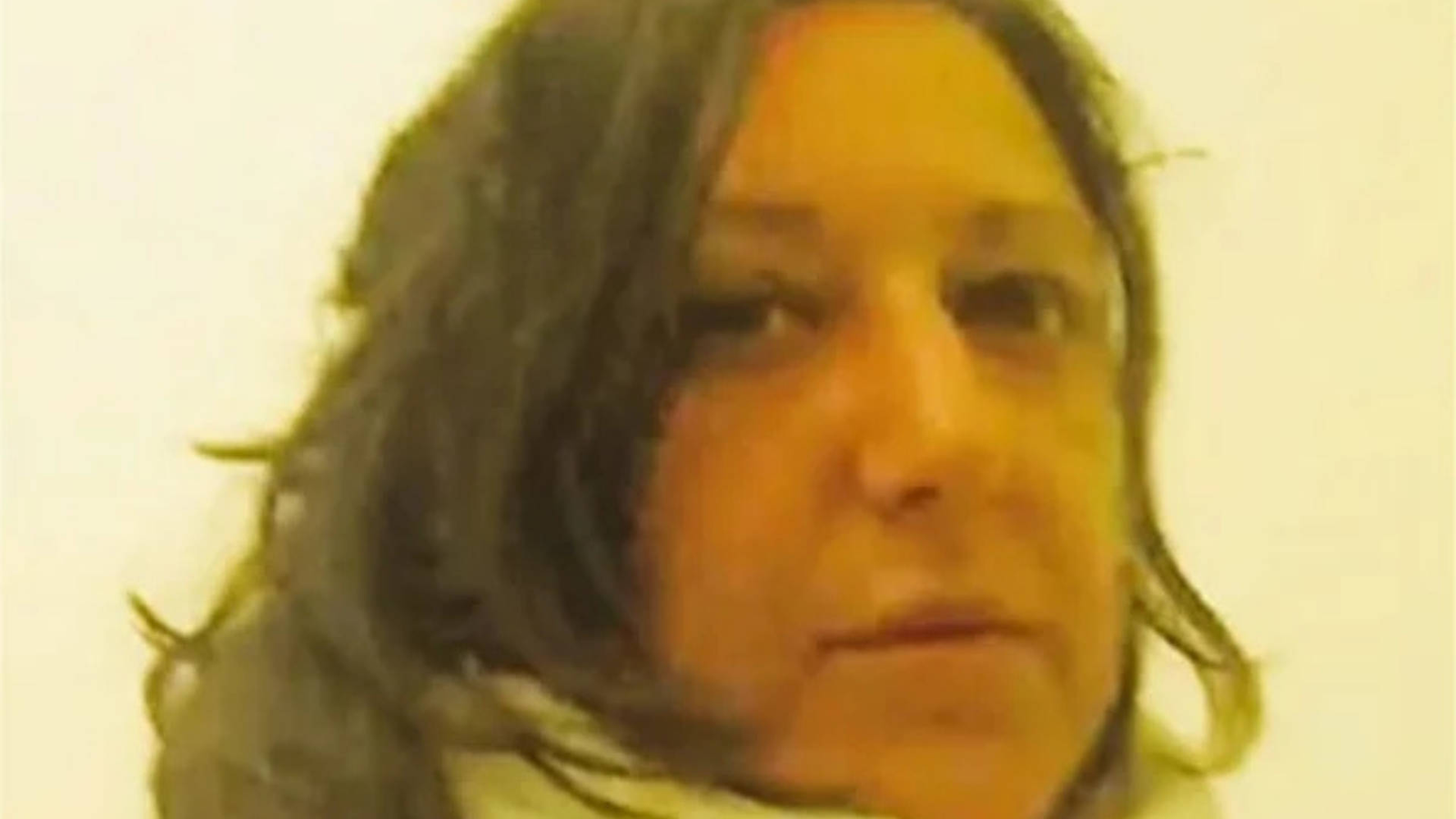
In a chilling case that has left a community grieving and raised serious questions about mental health support and racial violence, Christina Howell fatally stabbed 61-year-old Hubert “Isaac” Brown in an unprovoked and racist attack.
The tragedy unfolded on September 29, 2023, in the St Pauls area of Bristol. Minutes before the stabbing, Howell had warned her care worker she wanted to be sent back to hospital and ominously stated her intention to “get the Jamaican drug dealer.”
Tragically, Mr Brown was not a drug dealer but a beloved local figure known for his warmth and kindness. The devastating event not only took a life but also shattered a community’s sense of safety and left a family mourning a senseless loss.
The Build-Up to a Tragedy
Christina Howell, a 37-year-old woman from Easton, Bristol, had long battled with her mental health. Diagnosed with schizoaffective disorder, she had been hospitalized 14 times over a decade and was receiving regular antipsychotic injections.
Despite this treatment, her condition had deteriorated rapidly in the months leading up to the attack. In the 24 hours before she committed the crime, Howell posted “bizarre and aggressive” rants on Facebook, painting a clear picture of her disturbed state of mind.
On the afternoon of the attack, Howell met with her care worker, during which she showed them a four-inch lock knife and requested to be sent back to hospital. She made a chilling statement, telling her care worker she was going to “get the Jamaican drug dealer.”
Alarmed, the care worker called the police after the meeting, but tragically, the call came too late. By the time authorities were alerted, Howell had already carried out her deadly assault.
Read : Pro-Khalistan Group Stages Protest Against Indian Diplomat in Canada
Howell left her home armed with the knife, actively seeking out someone she wrongly perceived as a target. She encountered Hubert Brown, who was simply sitting on a wall in Grosvenor Road, minding his own business.
Read : Caine Lonsdale Jailed for Murder of His Friend Jonathan Dittia
Without any provocation, Howell stabbed him in the neck. Witnesses described the horror of the attack and tried to restrain Howell, but the damage had already been done. Hubert Brown was rushed to the hospital in a taxi but succumbed to his injuries later that afternoon.
Racism, Remorse, and a Community’s Pain
The aftermath of the attack revealed a chilling element of racial hatred. Witnesses reported hearing Howell scream racist abuse at Hubert Brown as he lay dying.
When later interviewed by police, Howell showed a disturbing lack of remorse, saying she wanted the attack to be “perfect” and referring to herself as the “Charles Bronson of Bristol,” a nod to the notorious British criminal. Even when charged with murder, she chillingly remarked, “I regret that I stabbed him, not that he died.”
The community of St Pauls, known for its vibrancy and close-knit nature, was left reeling. Hubert Brown was remembered as a kind and likable man, someone who had left a positive mark on everyone who knew him.
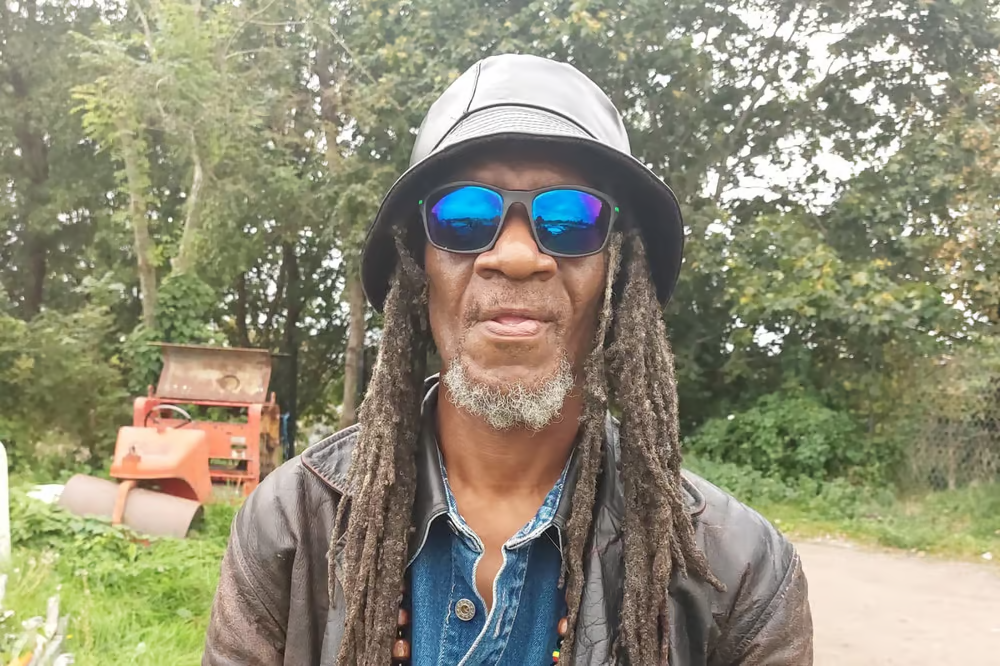
His cousin, Dion Johnson, spoke movingly in court about the depth of the family’s grief and the unbearable knowledge that Hubert Brown’s final moments were filled with racial hatred directed at him.
Ms Johnson criticized the lack of remorse shown by Howell and questioned whether more could have been done to protect her cousin. “Isaac is more than another victim of racist violence, he deserves respect and his loss should not be in vain,” she said, capturing the overwhelming sense of injustice felt by those who loved Hubert Brown.
The police and prosecution were also candid about the horror of the case. Detective Inspector Nadine Partridge described it as a “senseless, vile, and racist attack” and acknowledged that the sentence would not feel like justice for the grieving family. Despite their best efforts, nothing could undo the devastation caused by Howell’s actions.
A Complex Sentencing and the Question of Justice
When it came time for sentencing, Judge Peter Blair KC faced a difficult decision. He described Howell as plainly dangerous, emphasizing that her racist motives were undeniable based on the vile things she said during and after the attack.
Given the horrific nature of the crime, many might have expected a life sentence in prison. However, the judge ultimately decided that a hospital order under sections 37 and 41 of the Mental Health Act was more appropriate, acknowledging Howell’s severe mental health struggles.
Judge Blair noted that a hybrid order—where Howell would spend time in both a hospital and then prison—was inappropriate in this case. He stressed that Howell would likely be confined for a very long time, far longer than a standard prison term might require.

Under the terms of her hospital order, Howell will be held indefinitely at Rampton Hospital, one of the UK’s high-security psychiatric hospitals. Additionally, she has been banned from entering the city of Bristol for life.
The sentencing raised important debates about mental health, public safety, and justice. While the court recognized Howell’s significant psychiatric issues, many, including Hubert Brown’s family, were left feeling that justice had not truly been served.
Their pain was compounded by the knowledge that Isaac Brown was an innocent man, targeted for no reason other than the color of his skin and the delusions of a severely ill woman.
The case also exposed gaps in the system of care for individuals with severe mental illness. Howell had asked for help shortly before committing the crime.
She showed her weapon to a care worker, made threatening statements, and still was able to walk the streets armed and dangerous. Her rapid deterioration went unaddressed until it was too late, raising painful questions about whether better support and intervention could have prevented the tragedy.
In the end, the case of Christina Howell and Hubert Brown stands as a grim reminder of the deadly consequences that can result when mental health crises, racism, and failures of care collide.
It is a story of a community left heartbroken, a family left searching for answers, and a society that must reckon with the twin challenges of mental health treatment and the persistence of racial hatred.
Hubert Brown’s life deserves to be remembered not for the tragic way it ended, but for the person he was — a beloved figure who brought warmth to his community. His death should inspire reflection, change, and a commitment to ensuring that such senseless tragedies do not happen again.