
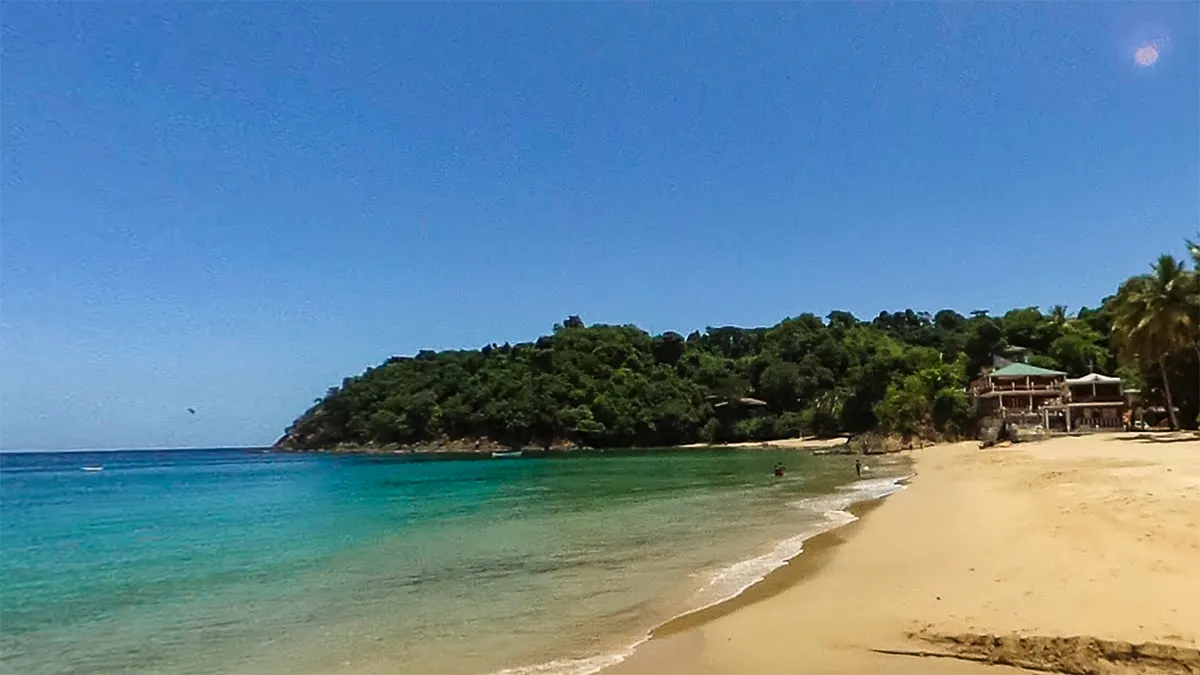
The death of 43-year-old American citizen Christopher Brown in the small Tobagonian village of Castara has brought renewed attention to visitor safety, local crime pressures, and the unfolding challenges faced by Trinidad and Tobago under a nationwide state of emergency. Brown, a builder from Colorado, had been spending the evening with friends in the idyllic fishing community when he left the group to purchase marijuana.
Hours later, he was found dead with multiple wounds, prompting an active homicide investigation and raising questions about how a night out in one of the region’s quieter destinations could turn so tragic. Authorities in both Trinidad and Tobago and the United States have acknowledged the gravity of the incident, while local officials have expressed deep concern over violence occurring in a village widely known for its peaceful atmosphere and tourism-driven culture.
Details Surrounding Brown’s Final Hours
According to police reports reviewed by multiple outlets, Christopher Brown had been in Castara with friends on Wednesday evening, sharing dinner and drinks before choosing to leave the group around nightfall. Reports indicate that he informed his companions he was going to buy marijuana, a decision that would mark the last contact they had with him. Investigators from the Trinidad and Tobago Police Service later found Brown unresponsive at approximately 10:30 p.m., with several injuries on his body. A metal object was discovered protruding from his back, and he was pronounced dead at the scene.
The early stages of the police inquiry point toward a suspected murder, and authorities have detained a 24-year-old man believed to be connected to the case. The identity of the suspect has not yet been released, and officials have not provided further details about the circumstances of Brown’s encounter with the individual or whether the alleged crime took place in the context of a drug-related interaction.
At this stage, investigators have also not shared information on when Brown arrived on the island or whether he was vacationing, visiting acquaintances, or traveling for personal reasons. What remains clear is that the events of the night unfolded rapidly, leaving both Brown’s friends and the local community grappling with a loss that was unexpected and unsettling.
Read : Cuba: A Journey Through the Jewel of the Caribbean
The U.S. Embassy in Trinidad and Tobago confirmed that it is working closely with local authorities in the aftermath of Brown’s death. A spokesperson extended condolences to Brown’s family and emphasized the embassy’s appreciation for the assistance provided by the Tobago House of Assembly and the Trinidad and Tobago Police Service. Officials also appealed for respect for the privacy of Brown’s relatives during the unfolding investigation.
Community Reaction and Local Impact
News of the homicide has struck a particularly painful chord in Castara, a coastal village widely recognized for its serene landscape, warm hospitality, and strong reputation as a safe hub for visitors seeking a quieter Caribbean experience. Tobago’s Division of Tourism, Culture, Antiquities and Transportation released a statement condemning the violence and expressing sympathy for those affected.
Read : Trinidad and Tobago: The Enchanting Twin-Island Paradise Brimming with Vibrant Wonders
Without naming Brown directly, the statement referred to the killing as the murder of a foreign national and described the event as deeply troubling for a community that prides itself on its welcoming environment. The division noted that this is the first such act of violence of this nature in Castara, reinforcing the shock felt by locals who have long supported the island’s tourism economy.
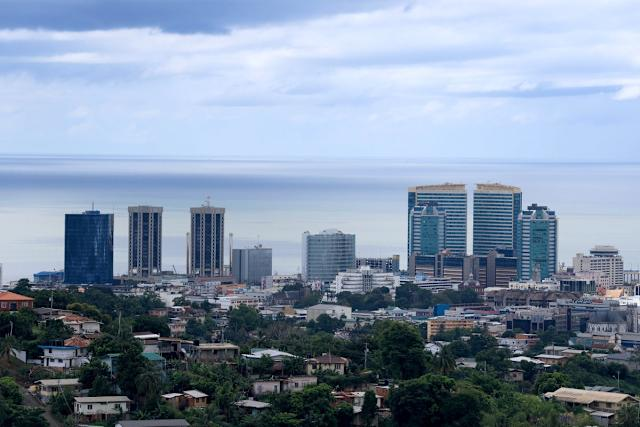
Castara is known for its small-guesthouse accommodations, cultural experiences, and a community tourism model that emphasizes mutual respect between residents and visitors. The village’s reputation as a safe and peaceful destination has been an important part of its appeal, making the incident particularly distressing for business owners, guides, and families who rely on steady tourism.
Local leaders have also echoed these concerns, highlighting the need to reassure visitors while acknowledging the broader security challenges faced by Trinidad and Tobago. As the island grapples with crime pressures and heightened state responses, community members in Castara are attempting to balance grief and disbelief with a resolve to maintain the village’s longstanding values of safety and hospitality. The incident has sparked conversations about how quickly an isolated act can impact the perception of a destination that has otherwise been regarded as tranquil and secure.
National Context and Ongoing Security Concerns
Brown’s death comes at a time when Trinidad and Tobago is facing intensifying crime challenges and operating under a state of emergency prompted by allegations of a criminal network linked to the country’s prisons. According to police data cited in recent reports, there have been more than 330 homicides in the nation so far this year, a figure that underscores the structural issues confronting law enforcement and policymakers. While Tobago is traditionally considered less affected by violent crime than Trinidad, the broader dynamics have nonetheless influenced public safety discussions across both islands.
Read : 52-Year-Old Man from New Jersey Kills Fiancée a Day After Proposing
The state of emergency was declared amid concerns over organized groups believed to be coordinating illicit activities from within detention facilities. Government officials have framed the emergency measures as necessary to disrupt these networks and reduce violence, though the situation has sparked national debate over civil liberties, enforcement strategies, and long-term solutions. Within this climate, attention to visitor safety has become increasingly important, especially in regions where tourism is a central pillar of the local economy.
Despite the broader national challenges, Tobago has maintained a comparatively low rate of violent crime, and tourism officials frequently highlight the island’s strong community ties and established safety norms. However, isolated incidents such as Brown’s death can cast a longer shadow in environments heavily dependent on international travel. For policymakers and tourism authorities, ensuring transparent communication and continued cooperation with law enforcement is essential in preserving trust among visitors and residents alike.
The reaction from the U.S. Embassy also signals the seriousness with which such cases are viewed at the diplomatic level. When American citizens die under violent or suspicious circumstances abroad, U.S. agencies typically coordinate closely with local authorities to monitor investigations, provide support to families, and confirm that appropriate legal and forensic procedures are being followed. In this instance, U.S. officials expressed gratitude for the responsiveness of Trinidadian and Tobagonian institutions, emphasizing ongoing collaboration.
Authorities in Trinidad and Tobago have not yet released further updates on the suspect in custody or additional findings from the forensic analysis of the scene. As the investigation continues, both nations remain attentive to its developments, and the incident has prompted renewed discussion about strategies for addressing crime while safeguarding communities and visitors. For the people of Castara, the loss of life in their village represents more than a criminal case; it is a profound break from their sense of collective security and identity as a place of calm and welcome.
In the weeks ahead, the outcome of the investigation, the legal proceedings involving the detained suspect, and the responses of national and local officials will continue to shape the narrative surrounding Brown’s death. The tragedy highlights the complex interplay between individual decisions, community environments, and national security contexts, illustrating how a peaceful evening can shift unexpectedly under broader social and criminal pressures. As Brown’s family grieves and authorities work toward answers, both Trinidad and Tobago and the United States remain focused on clarifying the circumstances and supporting those affected by the incident.
Just cruised through s666welcome. Not gonna lie, it caught my eye. Lots of interesting stuff. Worth a deeper dive, fo shizzle.
References:
Steroids.uk
References:
https://diego-maradona.com.az/user/femalesign7/
References:
Crazy vegas casino
References:
https://pikidi.com/seller/profile/jacketbuffer2
References:
Best pills to gain muscle
References:
https://www.servus-nachbar.at/Neuigkeiten/index.php/;focus=W4YPRD_com_cm4all_wdn_Flatpress_7491266&frame=W4YPRD_com_cm4all_wdn_Flatpress_7491266?x=entry:entry251210-113314;comments:1