
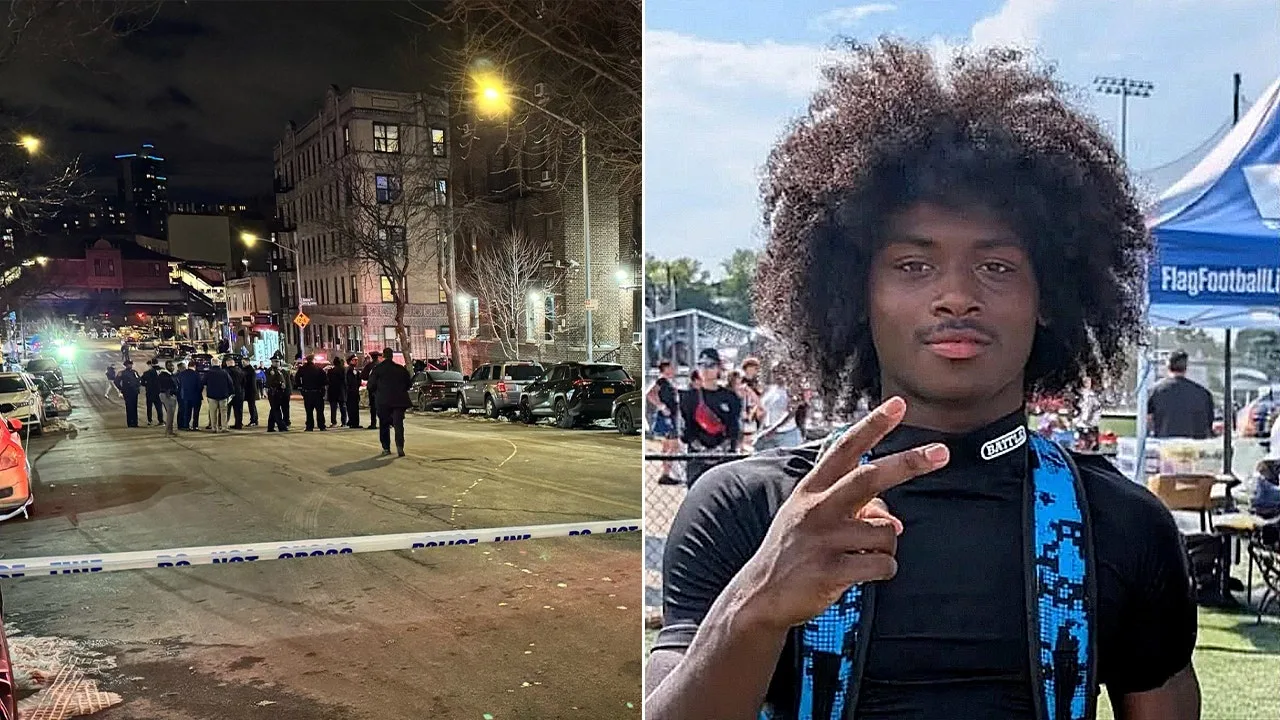
The fatal shooting of 16-year-old Christopher Redding in the Bronx has become a stark reminder of the growing concerns around youth violence in New York City. What began as an ordinary school dismissal turned into a scene of chaos and tragedy, leaving a young athlete dead and two other teenagers injured. The shooting, which unfolded in the Kingsbridge section of the Bronx, occurred in front of large groups of students gathered at a bus stop, turning a routine after-school moment into a traumatic event witnessed by hundreds.
Christopher Redding was not only another victim in a crime statistic. He was known to his family, teammates, and coaches as a determined young athlete with clear goals and a reputation for loyalty to those around him. According to accounts from those close to him, he intervened when his friends became targets during a street confrontation. His decision to step in, described by many as an act of courage, ultimately cost him his life. The incident has since ignited conversations about public safety, youth conflict, and the accessibility of firearms among teenagers.
The circumstances surrounding his death have drawn widespread attention not only because of the violent nature of the event but also because of what it reveals about the environment many young people navigate daily. Community members have expressed fear, frustration, and grief, while public officials have acknowledged an escalation in violence that has left residents feeling increasingly vulnerable. Christopher Redding’s story has therefore come to symbolize more than a single tragic loss; it reflects broader tensions within a community grappling with safety, accountability, and prevention.
A Young Athlete with Promise and Purpose
Christopher Redding was widely regarded as a talented and dedicated athlete whose commitment to football shaped much of his daily life. As a member of his high school’s tackle football team, he trained regularly, competed intensely, and built close relationships with teammates who shared his ambitions. He also participated in organized flag football programs and had been involved with youth teams earlier in his athletic development.
Those who knew him described a teenager who approached sports not simply as recreation but as a pathway toward opportunity. Coaches and peers portrayed him as disciplined and focused, someone who valued teamwork and responsibility. Athletic participation had given him structure, goals, and a sense of belonging. For many adolescents, organized sports provide not only physical training but also emotional grounding and social support.
Christopher’s involvement in football reflected these broader benefits. He reportedly demonstrated leadership qualities and a willingness to support teammates both on and off the field. Beyond athletics, he was known among friends as protective and dependable. Accounts from those familiar with the events leading up to the shooting suggest that his final moments reflected these traits.
When tensions escalated during a confrontation involving a group of teenagers, Christopher intervened in defense of others. That decision, described by those close to him as instinctive rather than calculated, has shaped how many now remember him. His final act has been framed as one of loyalty and courage, reinforcing the image of a teenager deeply committed to the people around him.
RUSH-HOUR SHOOTING: A deadly rush-hour shooting at West 238th Street and Broadway in the Bronx left 16-year-old Christopher Redding dead and two other teens injured.
— News12BX (@News12BX) February 12, 2026
READ MORE: https://t.co/pqwCXY4iLe#News12BX #Crime #Kingsbridge pic.twitter.com/RytKxDVrwT
His death therefore represents more than the loss of a young life; it represents the loss of potential. Like many teenagers pursuing athletics, he likely envisioned future opportunities tied to his performance and dedication. Whether those goals involved higher-level competition, scholarships, or simply personal achievement, they formed part of a trajectory abruptly cut short. For family members and coaches, this loss carries an additional emotional weight because it interrupts a path that appeared full of possibility.
The Shooting That Shocked a Community
The events that led to Christopher Redding’s death unfolded rapidly and violently. According to officials, the shooting stemmed from a street dispute that escalated into gunfire. The confrontation occurred at a time when large numbers of students were gathered after school, creating a crowded and vulnerable environment. Witnesses described hearing multiple gunshots and seeing large groups of young people running for safety. The sudden eruption of violence in such a public setting intensified the sense of shock experienced by those present.
In addition to Christopher’s fatal injury, two other teenagers were wounded. Both suffered gunshot injuries to the leg but survived after receiving medical treatment. The presence of multiple victims underscores the chaotic and indiscriminate nature of the incident. When firearms are introduced into confrontations involving large groups, the risk extends far beyond those directly involved in the dispute. Bystanders, passersby, and nearby residents all become potential victims.
Local residents described the aftermath as frightening and deeply unsettling. Some reported fearing stray bullets entering nearby homes, while others spoke of a growing sense that public spaces had become unpredictable and unsafe. Witness accounts indicated that large numbers of students frequently gathered in the area after school, sometimes engaging in disputes that escalated into physical confrontations. For some community members, the shooting felt less like an isolated incident and more like a tragic culmination of tensions that had been building over time.
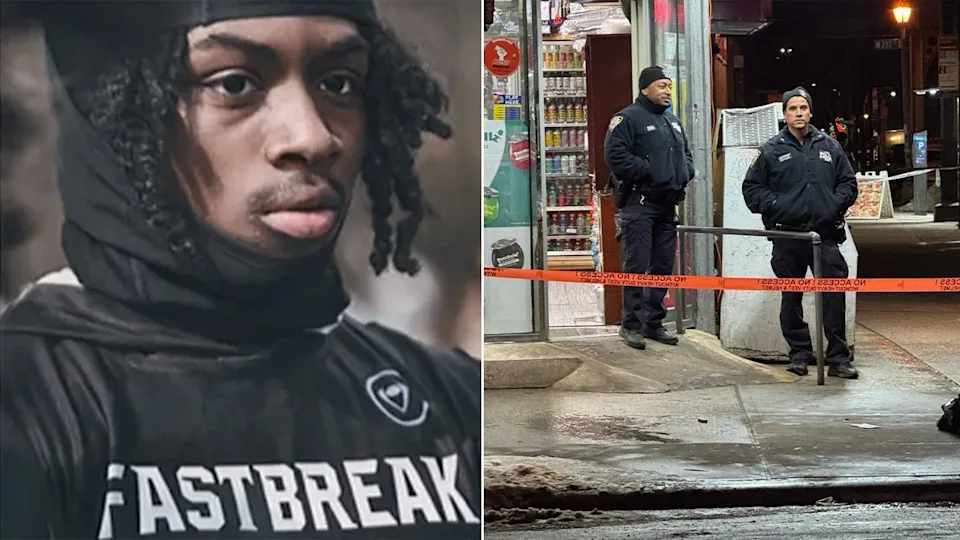
Law enforcement officials identified multiple individuals connected to the confrontation, and one teenager has been arrested in connection with the shooting. Charges include serious offenses such as murder, attempted murder, and unlawful possession of a firearm. Authorities have also indicated that additional suspects may still be at large. The ongoing investigation has intensified public attention, particularly among residents concerned about accountability and prevention.
The location and timing of the incident have contributed significantly to public reaction. Violence occurring near schools or during routine daily activities challenges assumptions about safety in familiar environments. For parents, students, and educators, the idea that a school dismissal period could become the setting for a fatal shooting has amplified anxiety and concern. The incident has therefore become a focal point for broader conversations about youth conflict, supervision, and the presence of weapons among adolescents.
Grief, Anger, and the Wider Debate on Safety
The aftermath of Christopher Redding’s death has been marked by intense emotional responses from family members, community residents, and public officials. Expressions of grief have been accompanied by frustration and anger, particularly regarding perceptions of insufficient protection and prevention. Family members have publicly questioned whether more could have been done to prevent the circumstances that led to the shooting. For them, the loss is not only personal but also emblematic of systemic failure.
Read : Villanova University Football Player Charged With Sexual Assault of Another Student
Residents of the surrounding neighborhood have similarly voiced concerns about safety. Some describe changes in daily routines, including avoiding certain public spaces or limiting movement after school hours. The perception that violence has increased in recent years has contributed to a sense of unease that extends beyond the immediate area of the shooting. Community members have pointed to fewer visible patrols and recurring conflicts among teenagers as factors contributing to heightened fear.
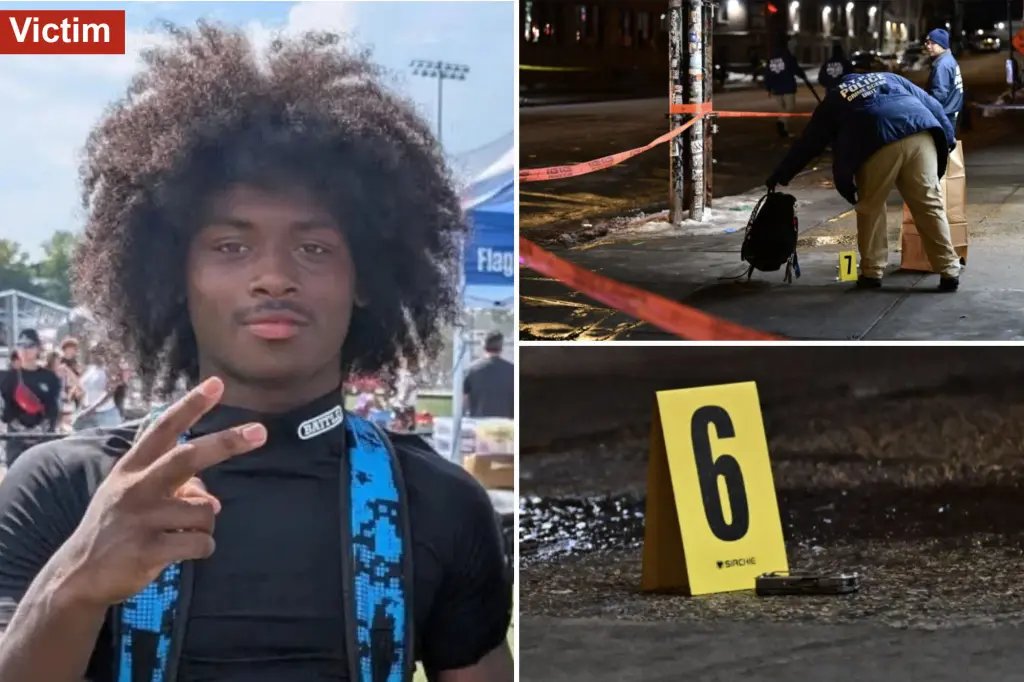
Public officials have acknowledged concerns about rising violence, particularly involving young people. Statements from local leaders have emphasized the dangers posed by firearms in the hands of teenagers and the urgent need for intervention strategies. The incident has prompted renewed discussion about prevention measures, including community programs, enforcement strategies, and policies addressing access to weapons.
The political dimension of the response has also been significant. Some critics have argued that leadership and law enforcement responses have been insufficient, while others have emphasized the complexity of addressing youth violence. These debates reflect broader national conversations about public safety, gun access, and the effectiveness of policing strategies. Christopher Redding’s death has thus become part of an ongoing policy dialogue extending far beyond a single neighborhood.
At the same time, the emotional impact of the tragedy remains deeply personal for those closest to him. For classmates, teammates, and family members, the public debate cannot fully capture the private experience of loss. Memorials, tributes, and community gatherings have served as spaces for collective mourning, allowing those affected to share memories and express solidarity. Such responses highlight the human dimension of events often discussed primarily in statistical or political terms.
The story of Christopher Redding continues to resonate because it embodies multiple intersecting realities: the vulnerability of youth, the consequences of escalating conflict, and the profound ripple effects of violence within a community. His life, defined by athletic dedication and loyalty to friends, ended in circumstances that many now view as both preventable and emblematic of broader social challenges.