
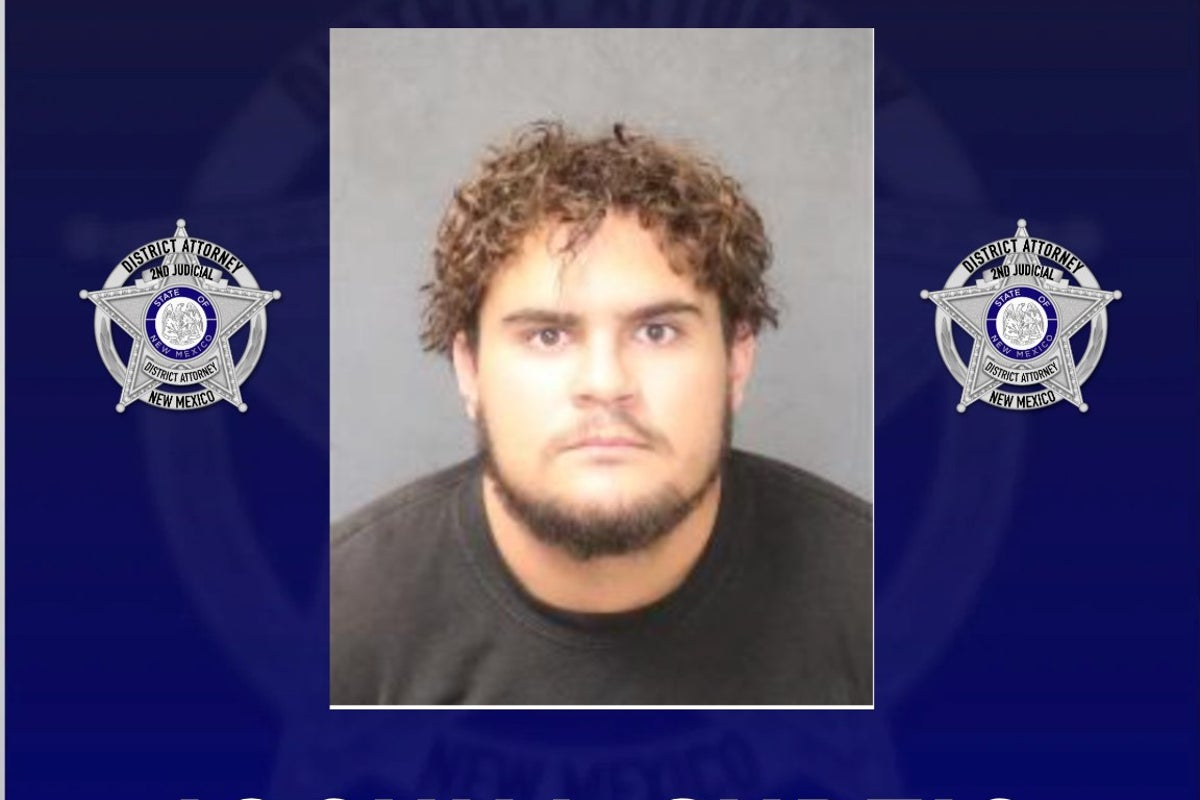
The tragic death of Christopher Sturluson in Albuquerque, New Mexico, has once again spotlighted the troubling intersection of youth gun violence, homelessness, and the broader failings of community safety structures. The 23-year-old, who was reportedly sleeping in a tent behind an apartment complex near Carlisle and Montgomery Boulevard, was fatally shot on the night of May 1 after allegedly asking two teenagers to stop firing guns in a nearby creek.
This disturbing incident raises serious concerns not only about the increasing normalization of gun violence among youth but also the vulnerability of homeless individuals who are often caught in the crossfire of larger societal issues. Authorities stated that Christopher Sturluson had an exchange with the teens before the fatal incident.
It appears that his only offense was speaking out and requesting them to stop shooting in the vicinity of his makeshift home. What followed was a series of gunshots — more than ten — directed towards his tent. Christopher Sturluson’s body was discovered the next morning, and a subsequent investigation led to the arrest and indictment of two teenagers, 18-year-old Joshua Curtis and a 17-year-old who remains unnamed due to his age.
This event is not an isolated act of violence but rather a symptom of a larger crisis — one where marginalized people are easily victimized and where young individuals become entangled in cycles of violence before they even reach adulthood.
A Deadly Encounter That Could Have Been Avoided
On April 30, just before 9 p.m., a network of acoustic sensors — part of the ShotSpotter gunshot detection system — picked up a series of gunshots near the area where Christopher Sturluson had pitched his tent. Investigators believe that Curtis and his teenage companion were firing a weapon near a creek close to the encampment. According to police reports, Sturluson had confronted them, asking them to stop firing so close to where he was staying.
Later that night, more gunshots were detected between 10:15 p.m. and 11:50 p.m. By the following morning, Sturluson was found dead, a life cut short in a place where he had sought shelter. Police were able to connect the dots using ShotSpotter data and eyewitness testimony, eventually identifying Curtis and the 17-year-old as suspects.
Read : Distressing! 74-Year-Old Homeless Man Set Himself on Fire at São Bento Metro Station
The younger teen, who reportedly has a long history of criminal activity and had previously been found with a firearm on a school campus, was already in custody at the time charges were filed. Curtis was arrested six days after the charges were announced.
The senselessness of the crime is hard to digest. Sturluson, who was unarmed and in a vulnerable state — asleep and exposed — became a victim of a violent and cruel retaliation. His only interaction with the accused was asking them to cease their reckless behavior. The fact that this simple plea ended in his murder is a devastating commentary on the breakdown of community norms and the value of human life.
The Role of Gun Culture and Juvenile Violence
The rise in youth-related gun crimes is a subject of growing concern across the United States. The involvement of an 18-year-old and a 17-year-old in a murder case involving firearms brings into question how such young individuals gained access to guns and became desensitized to their destructive power.
Authorities revealed that the unnamed 17-year-old suspect had an extensive history of criminal behavior, particularly involving firearms. He had reportedly brought a gun to school in a previous incident, indicating a pattern of dangerous conduct that had not been adequately addressed by the juvenile justice system. In this case, the gravity of the crime has prompted prosecutors to charge him as an adult.
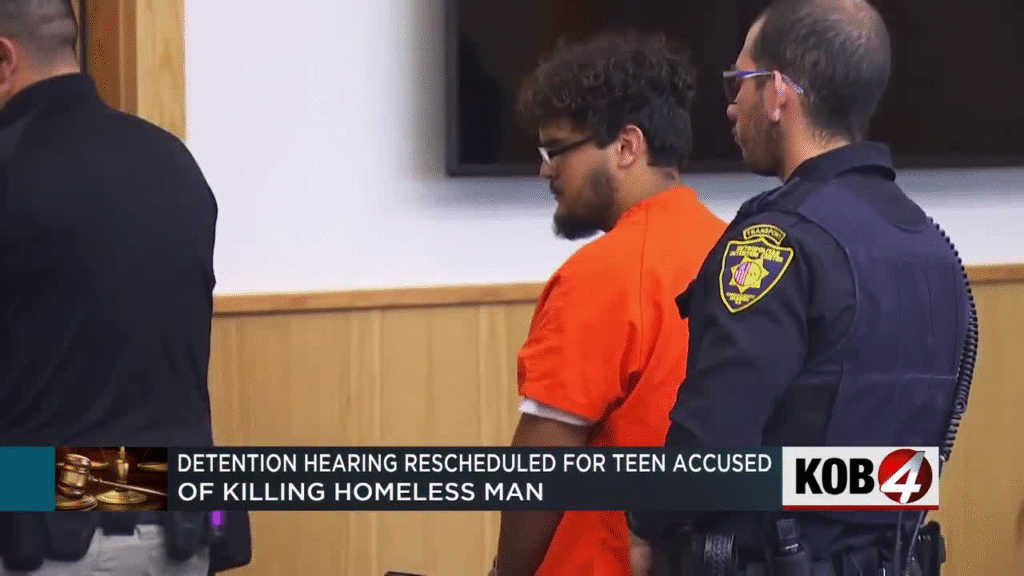
Joshua Curtis, who turned 18 and is therefore automatically considered an adult under the law, faces similar charges. His defense attorney has emphasized that Curtis, like any other accused person, is entitled to a full investigation and fair trial. “As the case develops, we will separate the facts from fiction,” attorney Jay K. Nair said, underscoring the importance of due process.
While the legal process unfolds, questions continue to swirl around the broader context of the crime. Why are young people like Curtis and his co-defendant able to access firearms so easily? What systems failed to intervene before the situation escalated to such a tragic conclusion? And what societal narratives are we perpetuating that make it seem acceptable — even entertaining — for teenagers to fire weapons near residential areas?
Homelessness, Marginalization, and Community Neglect
Christopher Sturluson was just 23 years old. His life circumstances had brought him to live in a tent behind an apartment complex, reflecting the harsh realities faced by many young people who fall through the cracks of the housing and social safety nets. Homeless individuals, especially those living in tents or makeshift shelters, often exist in a state of constant vulnerability — vulnerable not only to the elements but also to acts of violence, neglect, and indifference.
Homelessness in the United States remains a systemic issue with complex causes: mental health challenges, unemployment, housing unaffordability, lack of access to healthcare, and more. Yet, one of the most tragic aspects of Christopher Sturluson’s story is how invisible he became. Despite being a human being with inherent dignity and rights, he was gunned down with apparent impunity, and it took advanced surveillance systems and forensic efforts to piece together the circumstances of his death.
Albuquerque, like many other American cities, struggles with high rates of homelessness. While numerous advocacy groups work tirelessly to provide aid and push for policy changes, cases like Christopher Sturluson’s reflect the limitations of these efforts in the face of entrenched social inequalities. When a man can be murdered while sleeping in a tent, it reveals not only a failure of public safety but also a deeper societal disregard for the lives of those on the margins.
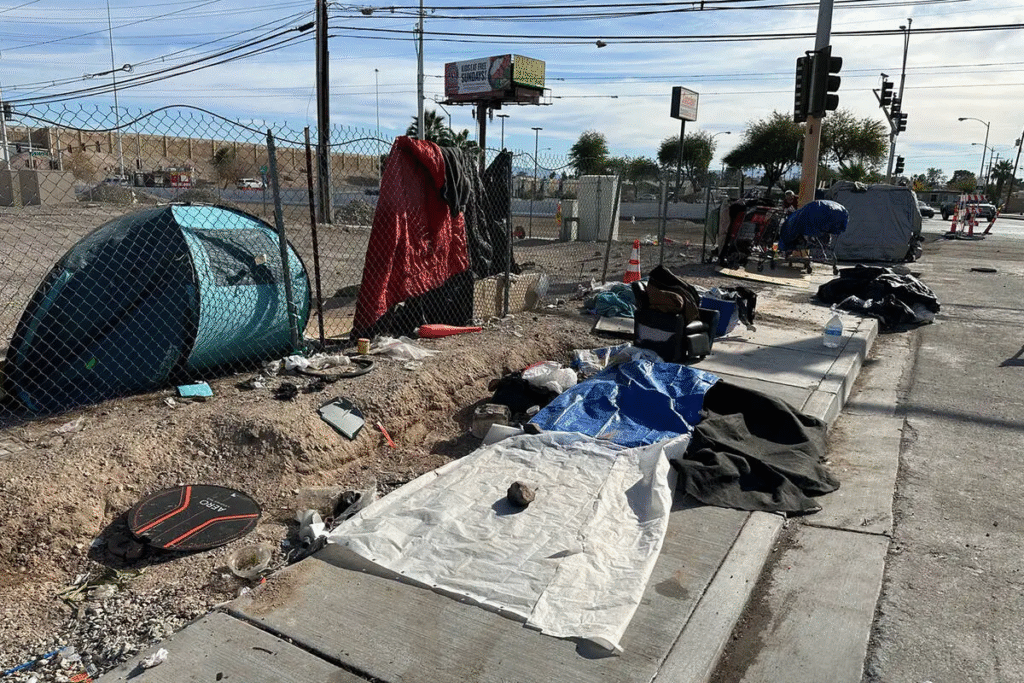
The aftermath of the crime has left members of the community shocked and grieving. Advocates for the homeless have pointed to the case as another example of why more needs to be done to protect vulnerable populations. More outreach, mental health services, housing initiatives, and legal protections are desperately needed to ensure that homeless individuals are not treated as expendable.
In parallel, it is also crucial to address the sources of violence among youth. That means investing in community programs, providing mentorship opportunities, creating safe recreational spaces, and enacting sensible gun control measures. The loss of Christopher Sturluson is not just a case to be filed away but a wake-up call for real, structural change.
Christopher Sturluson’s death is more than just a line in a police report — it’s a human tragedy with ripples that affect an entire community. Shot while asleep in his tent, his story is one of vulnerability, injustice, and the chilling consequences of unchecked violence. Two teenagers, barely adults themselves, are now facing the full weight of the legal system, their lives also irrevocably changed.
The case reflects several ongoing crises in American society: youth gun violence, the plight of the homeless, and the inadequacies of preventive social systems. It calls for serious introspection — not just from law enforcement or legal authorities, but from all of us. How we respond to these events will define what kind of society we want to be: one that protects the vulnerable and steers youth away from violence, or one that continues to let these tragedies unfold.