
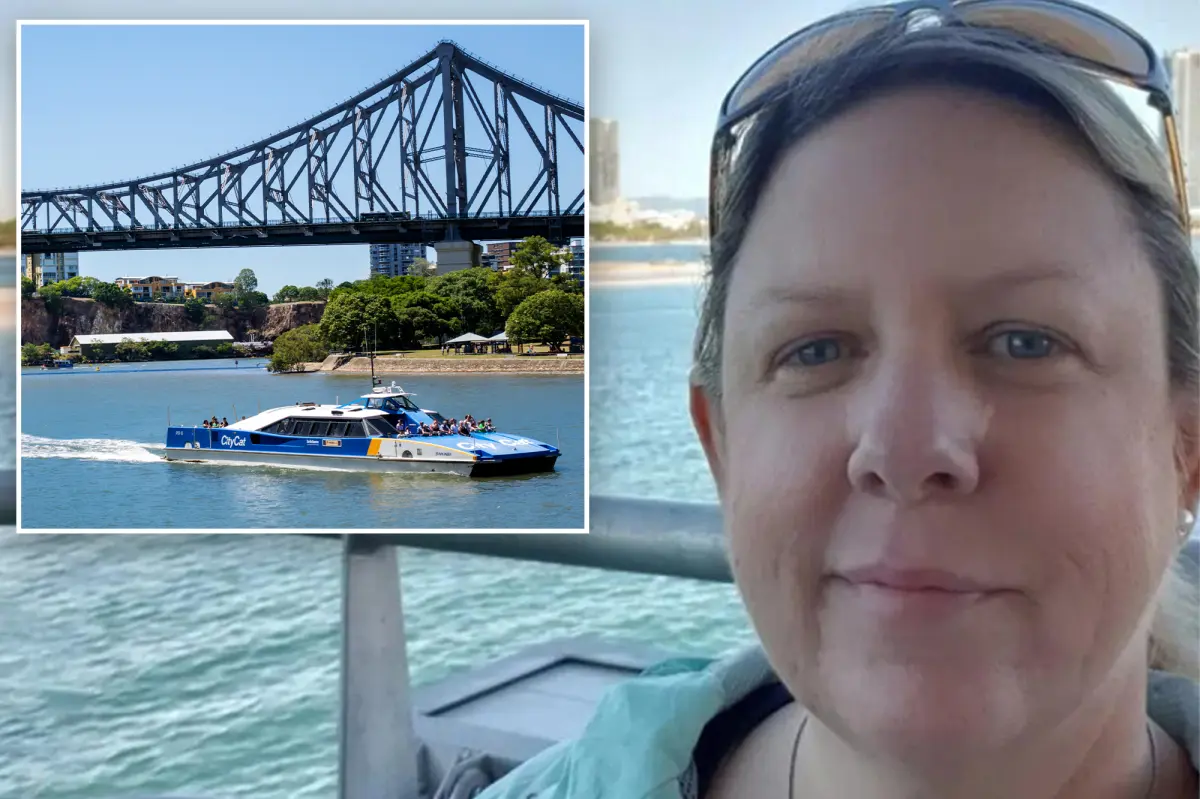
Workplace disputes involving illness and job security often highlight the difficult balance between employee welfare and operational demands. A recent case involving Brisbane ferry worker Jodie Daunis has drawn attention after a workplace tribunal upheld her employer’s decision to terminate her employment following an extended period of medical leave. The case raised questions about how businesses handle long-term health issues among staff and the extent to which employers must adjust working conditions to accommodate employees facing medical challenges.
Daunis had spent years working as a customer service operator on Brisbane’s well-known CityCat ferry service. Her role required regular attendance and the ability to carry out duties linked to passenger services on the river transport system. However, a serious medical condition led to repeated absences from work over a 12-month period. In total, she accumulated 114 sick days, which eventually prompted her employer to review whether she could continue performing the essential requirements of the position.
The transport company ultimately decided to terminate her employment after determining that her ongoing medical limitations made it difficult for her to reliably fulfill the role. Jodie Daunis challenged the decision through a workplace tribunal, arguing that she could return to work following surgery and treatment. After reviewing the evidence presented by both sides, the Fair Work Commission ruled in favor of the employer, concluding that the company’s decision was justified given the circumstances and the nature of the job.
Medical Condition and Prolonged Absences From Work
The events that led to the employment dispute began in April 2024 when Jodie Daunis developed deep vein thrombosis, a serious medical condition that occurs when blood clots form in deep veins, typically in the legs. The condition can cause inflammation, swelling, and persistent pain, and in severe cases it may lead to life-threatening complications if clots travel through the bloodstream. For Daunis, the condition quickly began to interfere with her ability to perform her duties on the ferry service.
The physical discomfort and complications from recurring blood clots forced her to take frequent sick leave. Over time, the absences accumulated as her treatment and recovery extended longer than initially expected. Doctors later referred her for surgery in an effort to address the underlying vascular issues. However, the situation became more complicated when her insurance provider declined to cover the cost of the procedure. As a result, she was placed on a waiting list at a public hospital, meaning the operation could not be scheduled immediately.
While waiting for the surgery, her condition continued to affect her daily life and work capacity. In April 2025, she was hospitalized due to complications from deep vein thrombosis. The hospitalization kept her away from work for approximately a week, further adding to the number of sick days she had already taken during the year. After recovering from the hospital stay, Jodie Daunis attempted to return to work. However, the pain and limitations associated with her condition made it difficult for her to continue performing her tasks.
According to the evidence presented during the tribunal proceedings, she managed to complete only two shifts before realizing she was still not physically capable of maintaining the demands of the job. Medical specialists advised her to take additional time off from work to allow her body to recover and to prevent the condition from worsening. A vascular surgeon and a blood specialist reportedly recommended that she remain away from work for approximately three months while awaiting treatment and further medical evaluation.
Read : New Study Found That Elephants Call Each Other by Unique Names
This extended absence became a major factor in the employer’s decision-making process. Over the course of twelve months, the total number of sick days she had taken reached 114, raising concerns within the company about staffing reliability and operational continuity.
Employer Concerns Over Operational Demands
The ferry service operator argued that the role held by Jodie Daunis required consistent attendance and the ability to carry out duties tied to a structured roster system. Ferry operations involve tightly scheduled services on the river, meaning staff availability plays a critical role in ensuring that vessels operate on time and passengers receive proper assistance. According to the company, accommodating Daunis’s ongoing medical restrictions would have required significant adjustments to staffing arrangements.
Read : Chrisanna Abad Sues After Coworker Allegedly Said She ‘Smells Like the Middle East’
One of the proposed options involved allowing her to work reduced hours or modified shifts, but the employer argued that this solution would have created operational challenges. The company maintained that reduced hours would force other employees to cover the remaining shifts, potentially disrupting the roster system and placing additional pressure on colleagues. In roles tied to public transport services, even minor scheduling changes can have broader ripple effects on workforce management.
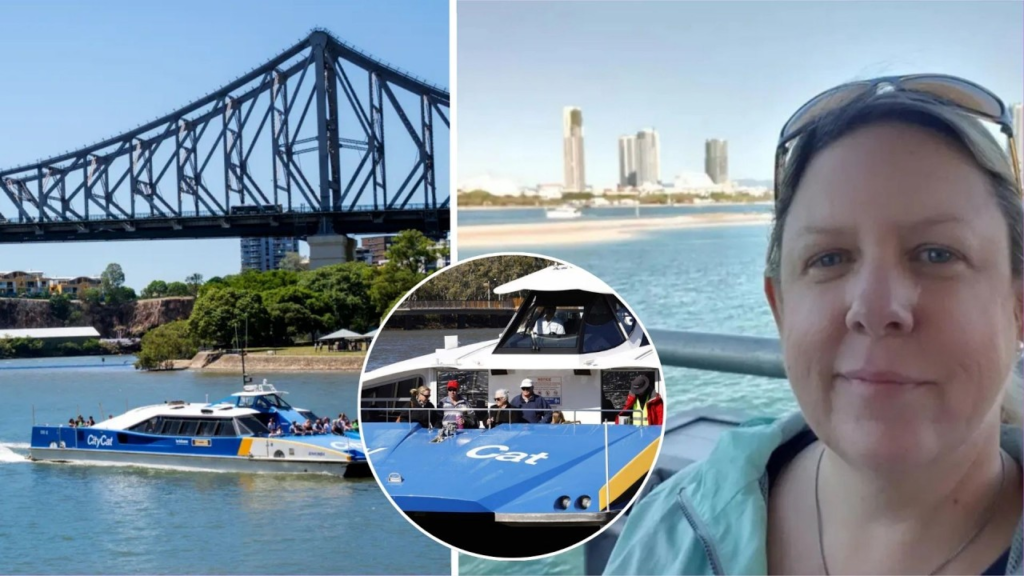
From the employer’s perspective, the situation was not simply about the number of sick days taken but about the uncertainty surrounding Jodie Daunis’s future ability to perform the inherent duties of the role. The company stated that it needed employees who could reliably perform their tasks on a consistent basis, particularly in a customer-facing role that required physical presence on ferry vessels.
In June 2025, Jodie Daunis underwent an independent medical examination arranged as part of the employer’s review process. The purpose of the examination was to determine whether she would likely be able to return to her role in the near future. However, the interpretation of the medical report became a point of disagreement between the two sides. Daunis and her union argued that the report suggested she would be capable of returning to work after undergoing the planned surgery. The employer, on the other hand, believed the report did not provide enough certainty about her ability to resume full duties.
After reviewing the medical findings and considering the operational constraints of the ferry service, the company concluded that it could not reasonably modify the role to accommodate her condition. On July 1, the decision was made to terminate her employment. The dismissal marked the culmination of several months of uncertainty regarding her work status and health recovery.
Tribunal Ruling and Broader Workplace Implications
Following the termination, Jodie Daunis challenged the decision through the Fair Work Commission, seeking to have the dismissal overturned. The case focused on whether the employer had acted fairly and whether reasonable adjustments could have been made to allow her to remain in the role while recovering from her medical condition. During the tribunal proceedings, both sides presented arguments regarding the medical evidence and the operational requirements of the job.
Jodie Daunis maintained that the independent medical examination indicated she could eventually return to work once the surgery was completed and recovery was underway. However, the commissioner overseeing the case concluded that the medical report did not provide definitive assurance that she would be able to perform the essential duties of the position in the foreseeable future. The ruling stated that the report “fell well short” of conclusively determining that she could fulfill the inherent requirements of the role.
Read : Sunoco Worker Faces Charges After Demanding Payment to Return Woman’s Lost Cell Phone
The commission also examined whether the employer had a responsibility to adjust the position to accommodate her limitations. In many workplaces, employers are required to consider reasonable adjustments for employees with medical conditions or disabilities. These adjustments may include modified schedules, alternative duties, or temporary accommodations while the employee undergoes treatment.
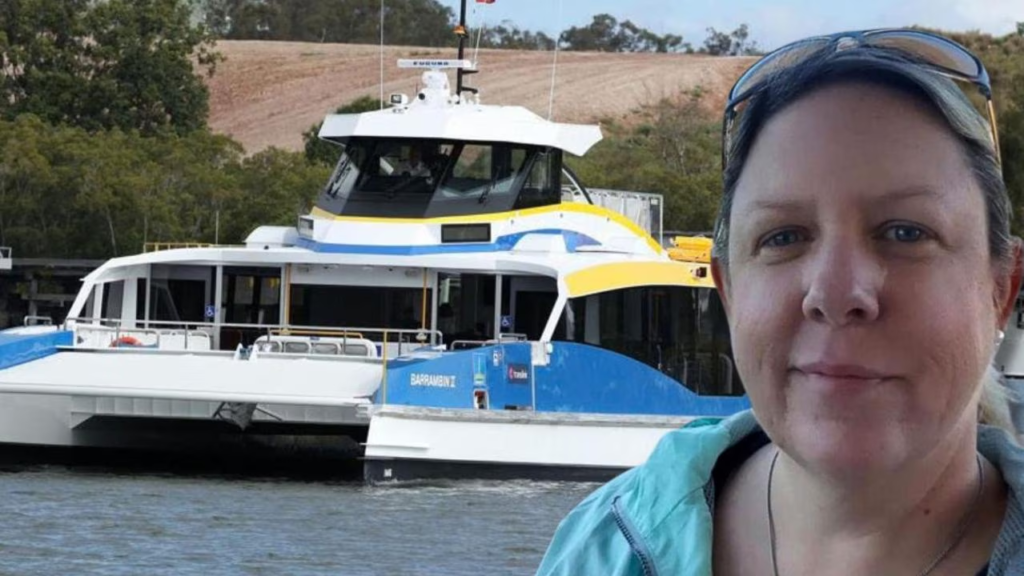
In this particular case, the tribunal determined that such adjustments were not practical given the nature of the ferry service operations. The commissioner noted that altering the roster system to accommodate reduced hours would likely have affected other employees and increased operational costs for the company. The ruling stated that the proposed adjustments were neither practical nor reasonable under the circumstances. As a result, the commission concluded that the employer had acted within its rights when it terminated Jodie Daunis’s employment.
The decision highlights a complex area of employment law where the rights of workers with medical conditions intersect with the operational realities faced by businesses. While employees are often protected from unfair dismissal due to illness, employers are not necessarily required to retain staff who are unable to perform the core responsibilities of their roles for an extended period.
Cases like this also illustrate the importance of clear medical evidence in employment disputes involving health conditions. Tribunals often rely heavily on medical reports to determine whether an employee is likely to return to work within a reasonable timeframe and whether adjustments could realistically be implemented. For many workers dealing with serious health issues, the case serves as a reminder of how prolonged illness can affect employment security. Even when absences are medically justified, employers may still face operational challenges that influence their decisions regarding staffing and job roles.
At the same time, the ruling underscores the need for organizations to carefully evaluate each situation before taking disciplinary or termination action. Employers are generally expected to review medical information, consider potential adjustments, and assess whether the employee can eventually return to performing their duties.
The dispute involving Jodie Daunis ultimately demonstrates how difficult these decisions can become when medical uncertainty overlaps with workplace demands. While the tribunal sided with the employer in this instance, the case continues to fuel broader discussions about workplace fairness, employee health protections, and the limits of employer obligations when long-term illness disrupts regular work patterns.