
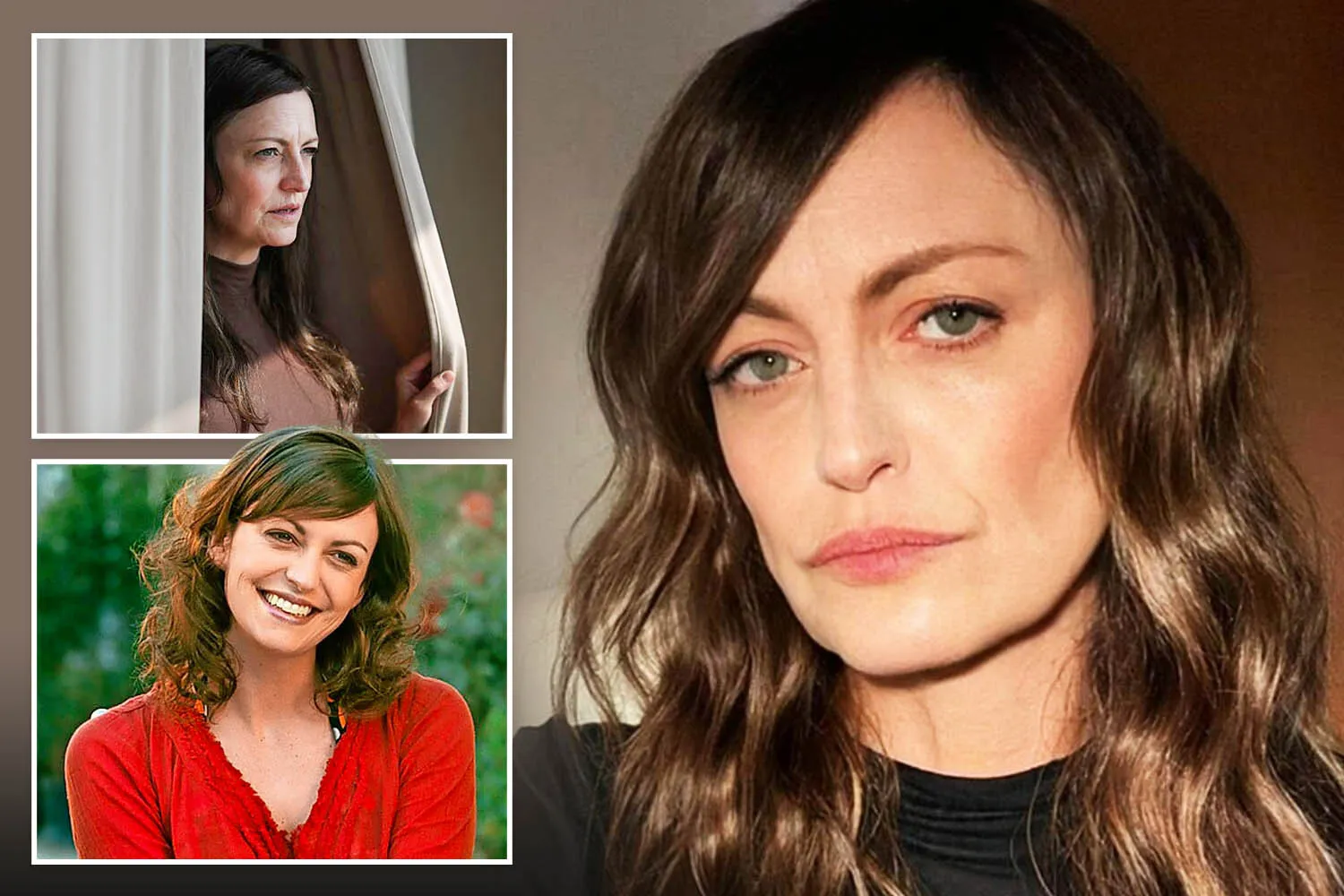
Canadian actress and comedian Claire Brosseau has become a focal point in a complex and emotionally charged national discussion about mental health, medical autonomy, and the boundaries of assisted dying. At 48, Brosseau has publicly shared her decision to apply for Canada’s Medical Assistance in Dying (MAID) program after decades of living with what she describes as relentless and treatment-resistant psychiatric suffering.
Her case has drawn attention not only because of her public profile, but also because it sits at the intersection of evolving law, medical ethics, and deeply personal experiences of mental illness. While Canada has one of the world’s most expansive assisted dying frameworks, Brosseau’s application remains on hold due to existing restrictions on eligibility for individuals whose sole underlying condition is a mental illness. Her decision to challenge those restrictions has intensified debate among lawmakers, clinicians, advocacy groups, and the broader public.
A Life Shaped by Persistent Mental Illness
Claire Brosseau has described her mental health challenges as beginning in childhood and continuing, largely uninterrupted, into adulthood. Over the years, she has been diagnosed with multiple psychiatric conditions, including manic depression, severe anxiety, substance use disorder, and chronic suicidal ideation. In interviews, she has emphasized that her suffering has not been episodic or situational, but continuous and deeply ingrained, shaping her personal life, relationships, and professional trajectory.
Despite these challenges, Brosseau built a career in comedy and acting, fields often associated with resilience and emotional insight. However, she has been open about the disconnect between outward success and internal distress. In a Substack post published in 2024, she wrote candidly about multiple suicide attempts and the sense that her condition has proven resistant to every intervention she has pursued. According to Brosseau, her decision to apply for MAID did not arise from a single crisis but from what she characterizes as decades of unrelieved suffering.
Her treatment history spans North America and includes extensive psychiatric care, long-term psychotherapy, inpatient hospitalizations, and trials of dozens of medications. She has also participated in alternative and emerging therapies, including guided psychedelic treatment, which has gained attention in recent years as a potential option for treatment-resistant depression. Brosseau has stated that none of these approaches provided lasting relief, leading her to conclude that her condition is irremediable.
Read : Exploring Nature’s Canvas: Top Ten Most Beautiful Riversides
In 2021, she applied for MAID, citing what the law defines as a grievous and irremediable medical condition. At the time, Canada’s MAID framework was in a state of transition. While eligibility had expanded beyond terminal physical illness, mental illness as a sole underlying condition remained excluded. As a result, Brosseau’s application was placed on hold, pending further legislative changes. Current federal provisions suggest that individuals in her situation may not be eligible until at least 2027, a timeline she has described as incompatible with her ongoing suffering.
Canada’s MAID Law and the Mental Health Exclusion
Canada introduced MAID in 2016 following a Supreme Court ruling that found the blanket prohibition on assisted dying unconstitutional. Initially limited to those whose natural death was reasonably foreseeable, the law was expanded in 2021 to include individuals with serious and incurable conditions even if death was not imminent. This expansion positioned Canada as one of the few countries to allow assisted dying in such circumstances, though it retained specific safeguards and exclusions.
One of the most contentious exclusions concerns mental illness. Under current federal law, individuals whose sole underlying condition is a mental disorder are not eligible for MAID. Lawmakers justified this restriction by citing concerns about decision-making capacity, the fluctuating nature of psychiatric conditions, and the potential for recovery even after prolonged illness. The exclusion was framed as temporary, with the government committing to further study and the development of additional safeguards before reconsidering eligibility.
Read : Lockdown Star Louis the Osprey Returns to Nest at Loch Arkaig Pine Forest After Illness
Brosseau has joined a legal challenge alongside Dying With Dignity Canada, arguing that this exclusion is discriminatory. The lawsuit contends that denying MAID to individuals with treatment-resistant mental illness, while allowing it for those with physical conditions causing comparable suffering, violates principles of equality under Canadian law. Supporters of this view argue that mental illness can be as debilitating and incurable as physical disease, and that capacity assessments, rather than categorical exclusions, should guide eligibility.

The medical community remains divided. One of Brosseau’s psychiatrists, Dr. Mark Fefergrad, has publicly expressed concern about her pursuit of MAID. He has stated that he has seen patients with long histories of severe mental illness improve, even after many years, and believes that recovery remains possible for Brosseau. From this perspective, allowing MAID risks foreclosing future therapeutic advances or periods of remission.
In contrast, another of her psychiatrists, Dr. Gail Robinson, has argued that the exclusion of mental illness from MAID eligibility is unjust. She has stated that limiting assisted dying to physical conditions reflects outdated assumptions about psychiatric disorders and fails to acknowledge the reality of treatment-resistant cases. This divergence of professional opinion underscores the complexity of assessing irremediability in mental health, a concept that remains less clearly defined than in many physical illnesses.
The federal government has repeatedly delayed lifting the mental illness exclusion, citing the need for standardized assessment protocols and clinician training. Critics argue that these delays prolong suffering for individuals like Brosseau, while supporters contend that caution is necessary given the ethical stakes involved.
Public Debate, Legal Challenges, and Personal Autonomy
Brosseau’s case has resonated beyond legal and medical circles, prompting broader public discussion about autonomy, protection of vulnerable individuals, and the role of the state in end-of-life decisions. Mental health advocates are divided, with some expressing concern that expanding MAID could normalize suicide among people with psychiatric conditions. Others argue that equating assisted dying with suicide ignores the careful assessments and safeguards built into the MAID process.
Read : Mystery Illness Kills Over 140 People in Congo
Brosseau herself has emphasized that her decision is not impulsive and not rooted in social isolation. She has stated that she has a supportive network of friends and family, including her parents and her sister Melissa. She has also spoken about her bond with her dog, Olive, whom she describes as a source of comfort. These details have been cited by both supporters and critics, interpreted either as evidence of thoughtful deliberation or as reasons to prioritize continued treatment and support.
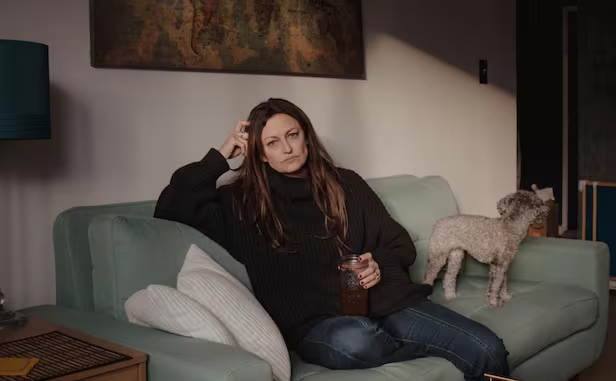
In interviews, Brosseau has said that if she is ultimately denied access to MAID, she believes she will likely die by suicide. This assertion has intensified the ethical debate, raising questions about whether denying MAID truly protects individuals or, in some cases, exposes them to greater risk. Proponents of reform argue that regulated medical assistance provides oversight and dignity, whereas unassisted suicide often occurs in isolation and crisis.
If granted approval in the future, Brosseau has expressed specific wishes regarding her final moments. She hopes that her psychiatrists, her parents, her sister, and her dog will be present in the home, though she prefers that they not witness the act itself. She has said she would like to say her goodbyes and then have them wait in another room. These details, shared publicly, have contributed to the humanization of a debate often framed in abstract legal or ethical terms.
The lawsuit involving Brosseau is part of a broader challenge that could influence the future shape of MAID in Canada. A ruling in favor of the plaintiffs could compel the government to reconsider its timeline and potentially revise eligibility criteria. Conversely, upholding the exclusion would reinforce the current cautious approach and signal that mental illness will continue to be treated differently under assisted dying law.
As Canada continues to grapple with these questions, Brosseau’s story illustrates the tension between evolving legal frameworks and deeply personal experiences of suffering. Her case does not offer easy answers, but it highlights the need for nuanced discussion that acknowledges both the potential for recovery and the reality of enduring, treatment-resistant mental illness.
Used fun88kyc.info to get my Fun88 KYC sorted out. Documents uploaded easily and the process was quick. A++ for efficiency! Get verified now: fun88kyc