

The heartbreaking story of Clare McCann, an Australian actress, has recently drawn attention worldwide as she seeks to cryogenically preserve the body of her 13-year-old son, Atreyu McCann, who tragically died by suicide after enduring severe bullying at his school.
This emotional and controversial decision shines a light on the devastating impact of bullying, the emerging field of cryogenic preservation, and the desperate hopes of a grieving mother who wants to give her son a second chance at life.
The Tragic Loss of Atreyu McCann and the Fight Against Bullying
Atreyu McCann was a young boy full of life who found himself the target of intense and relentless bullying at his public school in New South Wales, Australia. According to his mother, Clare McCann, the bullying was “horrific” and persisted for months, despite numerous attempts to raise alarms with the school and local education authorities.
Clare has revealed that she possesses medical records, psychologist reports, a formal PTSD diagnosis for her son, and emails proving she had repeatedly alerted the school and the Department of Education and Children’s Services about the situation. Yet, despite these warnings, no effective action was taken to intervene or protect Atreyu.
On May 23, 2025, the unbearable weight of bullying led Atreyu to take his own life. The loss was devastating for Clare, who describes her son as a beautiful and vibrant boy who deserved so much more from life.
Read : Who is Hannah Moody, Whose Body Was Found in McDowell Sonoran Preserve?
Rather than accepting this tragic ending, Clare has channeled her grief into a determined effort to preserve Atreyu’s body through cryogenic preservation—a controversial process that involves freezing the body at extremely low temperatures with the hope that future scientific advancements might one day revive him.
Read : Crystal Clear: Exploring Asia’s Top Ten Cleanest Rivers
In her public appeal on GoFundMe, Clare urgently called for $195,000 within seven days to cover the costs of preservation, transportation, legal fees, and to establish a trust in Atreyu’s name. The trust is intended to fund anti-bullying education and reform, turning a personal tragedy into a larger fight for systemic change. So far, Clare has only received $4,000, highlighting both the emotional difficulty and the financial challenge she faces in fulfilling this wish.
Understanding Cryogenic Preservation:
Cryogenic preservation, often simply called cryonics, is a process by which a deceased person’s body is cooled to very low temperatures with the aim of halting biological decay. The underlying hope is that future medical technology will be able to repair the damage caused by death, disease, or injury and eventually revive the person.
While the concept has existed for decades, cryonics remains a highly experimental and controversial field with no scientifically proven cases of revival to date.
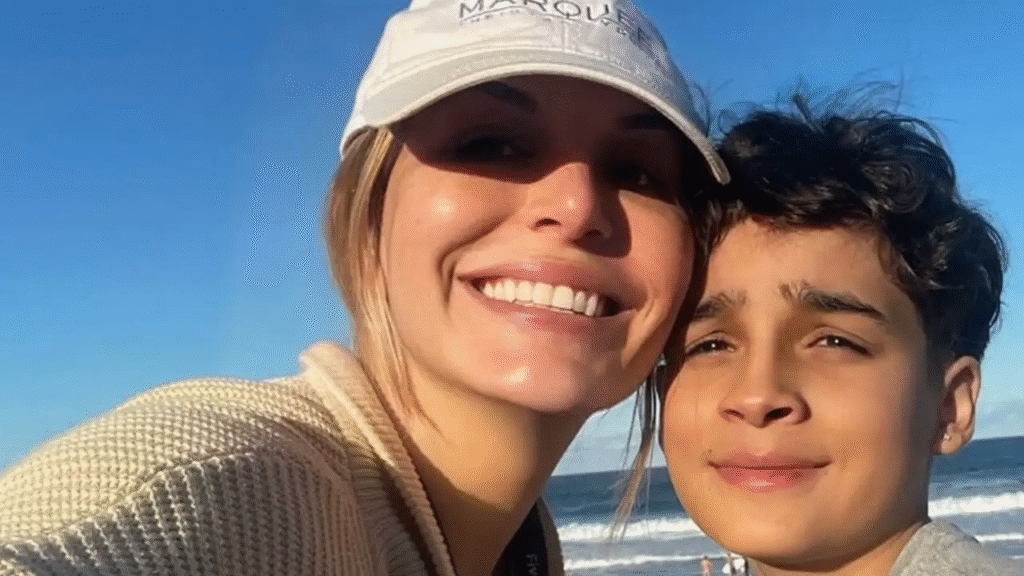
In her appeal, Clare shared that she and Atreyu had talked about the concept of cryogenics and the afterlife several years ago, and that Atreyu had expressed a desire for his body to be preserved in this way. This adds a deeply personal layer to her campaign—she is honoring her son’s wishes and holding on to the hope of giving him another chance to live the life he dreamed of.
The process itself involves freezing the body in liquid nitrogen at temperatures close to -196 degrees Celsius. This extreme cold is designed to prevent cell damage and decomposition. However, the biggest challenge lies in the fact that current technology cannot yet reverse the damage caused by freezing or by the initial cause of death. Many scientists remain skeptical about whether revival will ever be possible.
Despite these scientific hurdles, proponents argue that cryonics is about hope and potential future justice—offering a possibility where none exists today. Clare’s campaign reflects this belief, describing the preservation as the “one chance left” to hold onto hope in the face of overwhelming grief.
Bullying, Mental Health, and the Call for Reform
At the heart of Clare McCann’s story is the urgent issue of bullying and mental health support within schools. The tragic loss of Atreyu is not just a personal family tragedy but also a reflection of the systemic failures faced by many children around the world. Bullying can lead to severe emotional trauma, including anxiety, depression, PTSD, and in extreme cases, suicide.
Clare’s revelations about the school’s failure to act despite clear evidence highlight the gaps that exist in protecting vulnerable students. Her fight to raise funds for anti-bullying education and reform through the trust established in Atreyu’s name points toward a larger societal need—to create safer, more supportive environments for children to learn and grow.
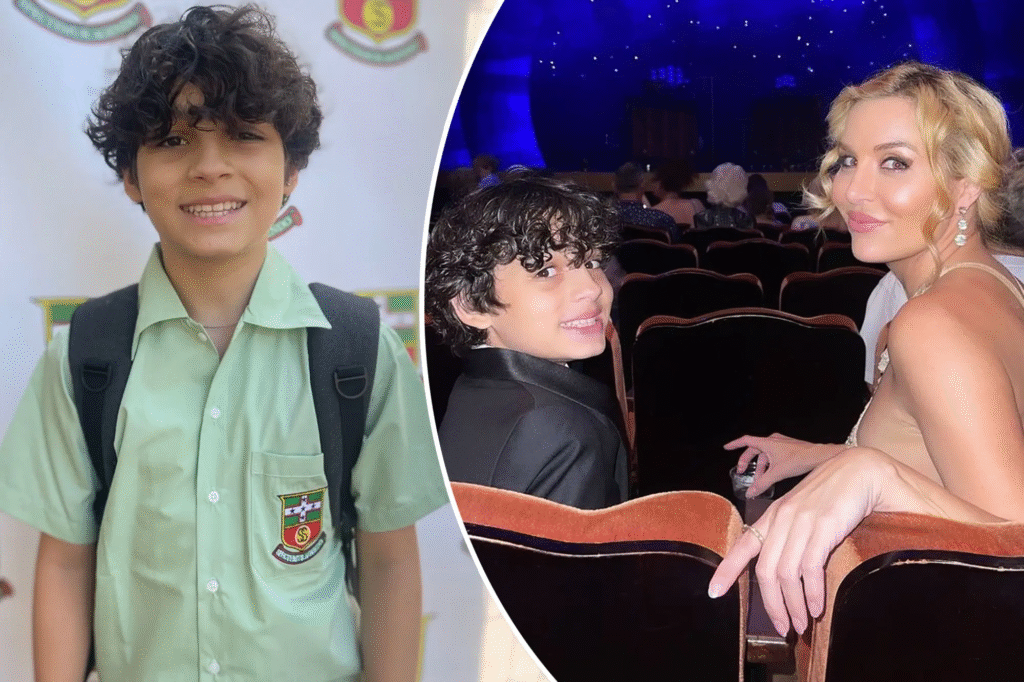
Mental health advocates emphasize the importance of early intervention, better training for educators, accessible counseling services, and strong policies to address bullying effectively. Clare’s story serves as a painful reminder of what can happen when these supports are lacking.
Moreover, Clare’s public campaign to cryogenically preserve her son has sparked conversations about how society supports grieving families, the ethics surrounding emerging technologies like cryonics, and the lengths to which parents will go to keep hope alive. It also raises questions about how schools, communities, and governments can better protect children from bullying and provide the mental health resources they desperately need.
The story of Clare McCann and her son Atreyu is a profoundly moving example of grief, hope, and the search for justice in the wake of unimaginable loss. By pursuing cryogenic preservation, Clare is not only honoring her son’s wishes but also shining a spotlight on the devastating effects of bullying and the urgent need for change.
While cryogenics remains controversial and unproven, it symbolizes a mother’s refusal to let her son’s life end in silence and a commitment to fighting for a future where children like Atreyu are protected and valued. Clare’s story is a call to action for communities, schools, and policymakers to listen, intervene, and prioritize the mental health and safety of every child.
As Clare continues to seek support for her cause, her hope is that Atreyu’s legacy will not only be one of tragedy but also one of transformation—a future where no child has to suffer the way he did, and where scientific advancements may one day make the impossible possible.