
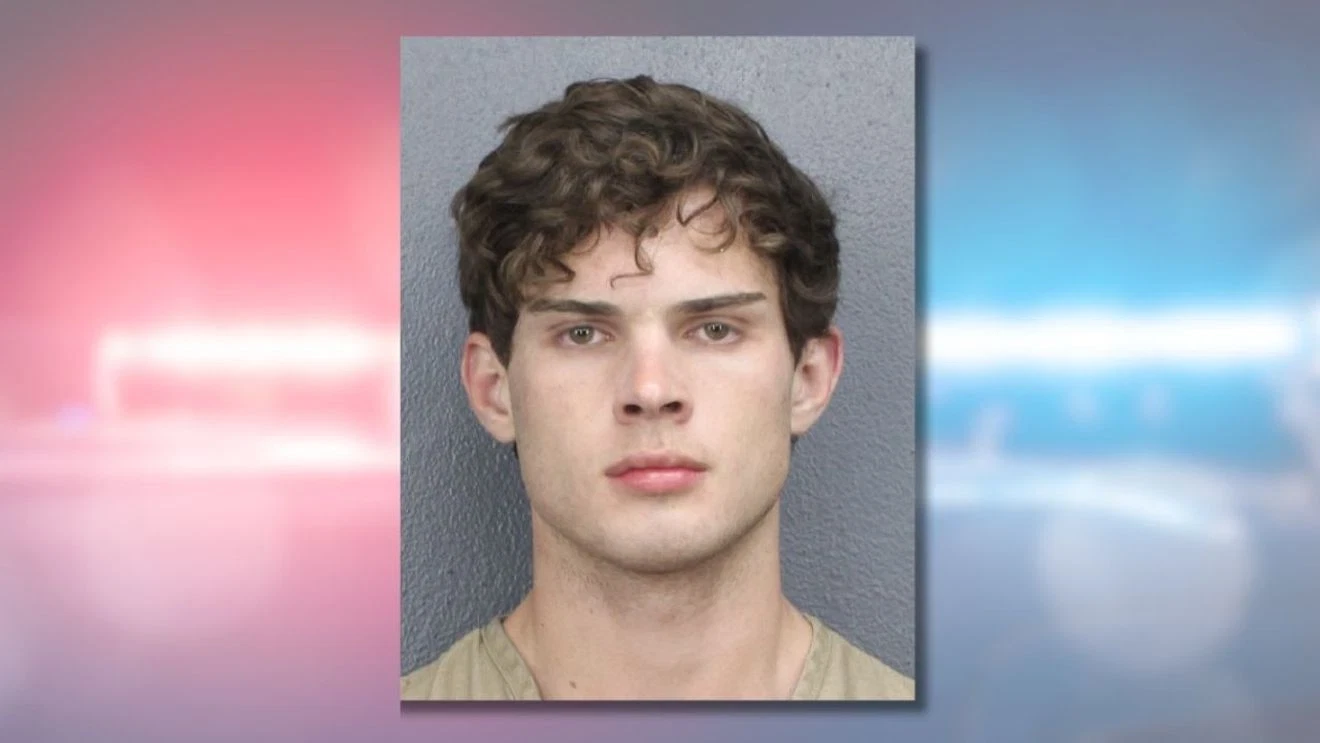
The rise of internet personalities built on shock value and controversy has increasingly blurred the line between entertainment and real-world consequences. Among the latest figures to draw widespread attention is Clavicular, a “looksmaxxing” influencer whose online presence has been marked by provocative behavior, extreme opinions, and viral stunts.
His recent arrest in Florida has brought renewed scrutiny to both his actions and the broader digital culture that enables such content to thrive. The incident, involving an alleged instigation of a physical altercation between his girlfriend and another woman, has sparked debate about accountability, influencer ethics, and the consequences of livestreaming volatile situations for online engagement.
The Incident That Led to His Arrest
The controversy surrounding Clavicular escalated following a February incident during an Orlando staycation, where a group of influencers had gathered at an Airbnb. According to law enforcement authorities, what began as a heated verbal exchange between two women quickly turned into a physical fight. The confrontation, which was captured and later circulated widely online, showed the women shouting aggressively before engaging in a physical altercation involving hair-pulling, grappling, and attempts to restrain one another.
Investigators concluded that Clavicular, whose real name is Braden Peters, played a significant role in escalating the situation. Authorities allege that he encouraged the confrontation rather than attempting to defuse it. Instead of intervening, he reportedly stood by as the fight unfolded, while another individual livestreamed the altercation to an online audience. The decision to broadcast the incident has been interpreted by officials as an attempt to exploit the situation for views and social media traction.
The viral nature of the video intensified public reaction, with many criticizing the apparent prioritization of content creation over safety and responsibility. Law enforcement ultimately charged Peters with misdemeanor battery and criminal conspiracy to commit battery, asserting that his actions contributed directly to the escalation of violence. He was arrested at his residence in South Florida and later released after spending a night in jail.
The case has also extended beyond Peters himself. His girlfriend, identified as one of the participants in the fight, is reportedly being sought by authorities in connection with a misdemeanor battery charge. The incident remains under investigation, and it continues to raise questions about the legal implications of instigating or facilitating violence in a digital age where such acts can be broadcast instantly to large audiences.
Clavicular’s Online Persona and Rise to Notoriety
Clavicular built his online identity around the concept of “looksmaxxing,” a niche but growing internet subculture focused on maximizing physical appearance through various means. His content frequently revolves around fitness, body image, and unconventional — often controversial — methods of improving one’s appearance. Over time, his persona has evolved into one that thrives on provocation, pushing boundaries to attract attention and maintain relevance in an increasingly crowded influencer landscape.
Read : Fitness Influencer Roberto Cunha Lima Shot Dead Outside Gym
A defining characteristic of his online presence is his willingness to engage in extreme or shocking behavior. From promoting questionable health practices to making inflammatory statements, Clavicular has cultivated an audience that is both drawn to and divided by his content. Critics argue that his approach normalizes harmful attitudes and behaviors, particularly among younger viewers who may be more susceptible to influence.
Fans are upset with Clavicular after he held down famous TikTok star Jenny Popach so his girlfriend Violet could hit her in the face 👀 pic.twitter.com/JivCnC52Y5
— KickChamp👑 (@Kick_Champ) February 3, 2026
His notoriety has also been amplified by associations with other controversial figures and participation in polarizing online communities. These connections have further entrenched his reputation as a figure who operates on the fringes of mainstream acceptability. While such affiliations have helped him gain visibility, they have also subjected him to increased scrutiny and criticism.
In addition to his online activities, Peters has faced prior legal issues that have contributed to his public image. Earlier in the year, he was reportedly arrested in Arizona for allegedly using a fake identification to enter a bar, though prosecutors declined to pursue charges. Such incidents, combined with his online conduct, have painted a picture of an influencer whose actions often court controversy both on and off the internet.
His behavior in the lead-up to his latest arrest has also drawn attention. Reports indicate that he was involved in another livestreamed incident in which multiple gunshots were fired at an alligator during an airboat tour in a Florida swamp. Authorities confirmed that the matter was under investigation, noting that harming wildlife without proper authorization is illegal. While the outcome of that investigation remains unclear, it adds another layer to the ongoing concerns surrounding his actions.
Public Reaction and Broader Implications
The arrest of Clavicular has ignited widespread discussion about the responsibilities of influencers and the potential dangers of content driven by shock value. Many observers have criticized the apparent prioritization of online engagement over ethical considerations, arguing that the pursuit of virality can lead individuals to cross boundaries that endanger others.
One of the central issues highlighted by this case is the role of livestreaming in amplifying volatile situations. The ability to broadcast events in real time can create pressure to maintain audience attention, sometimes at the expense of safety and judgment. In this instance, the decision to livestream a confrontation rather than intervene has been widely condemned, raising questions about the accountability of those who facilitate or profit from such content.
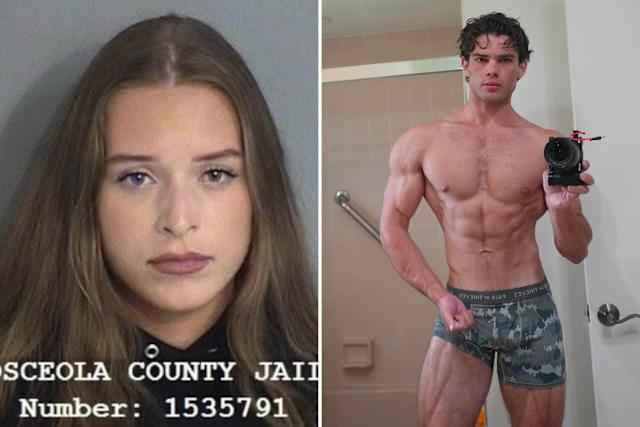
There has also been debate surrounding claims made by individuals close to Peters, who suggested that he may not have intervened in the fight due to being on the autism spectrum. Critics have pushed back against this explanation, emphasizing that such claims should not be used to excuse or justify harmful behavior, particularly in the absence of a formal diagnosis. The discussion has underscored the importance of distinguishing between genuine understanding of neurodiversity and the misuse of such narratives in controversial situations.
The incident has further fueled ongoing conversations about influencer culture and its impact on social norms. As platforms continue to reward engagement-driven content, creators may feel incentivized to push boundaries in ways that can have real-world consequences. This dynamic has led to calls for greater oversight, both from social media companies and from audiences who consume and share such material.
At the same time, the case serves as a reminder of the legal risks associated with online behavior. Actions that might once have been dismissed as internet drama can now carry tangible consequences, particularly when they involve allegations of violence or exploitation. For influencers, the line between content creation and criminal conduct is becoming increasingly defined by how their actions affect others in the real world.
As the legal process unfolds, the story of Clavicular is likely to remain a focal point in discussions about accountability in the digital age. His rise and subsequent controversies illustrate the complexities of a landscape where attention can be both a currency and a liability.