
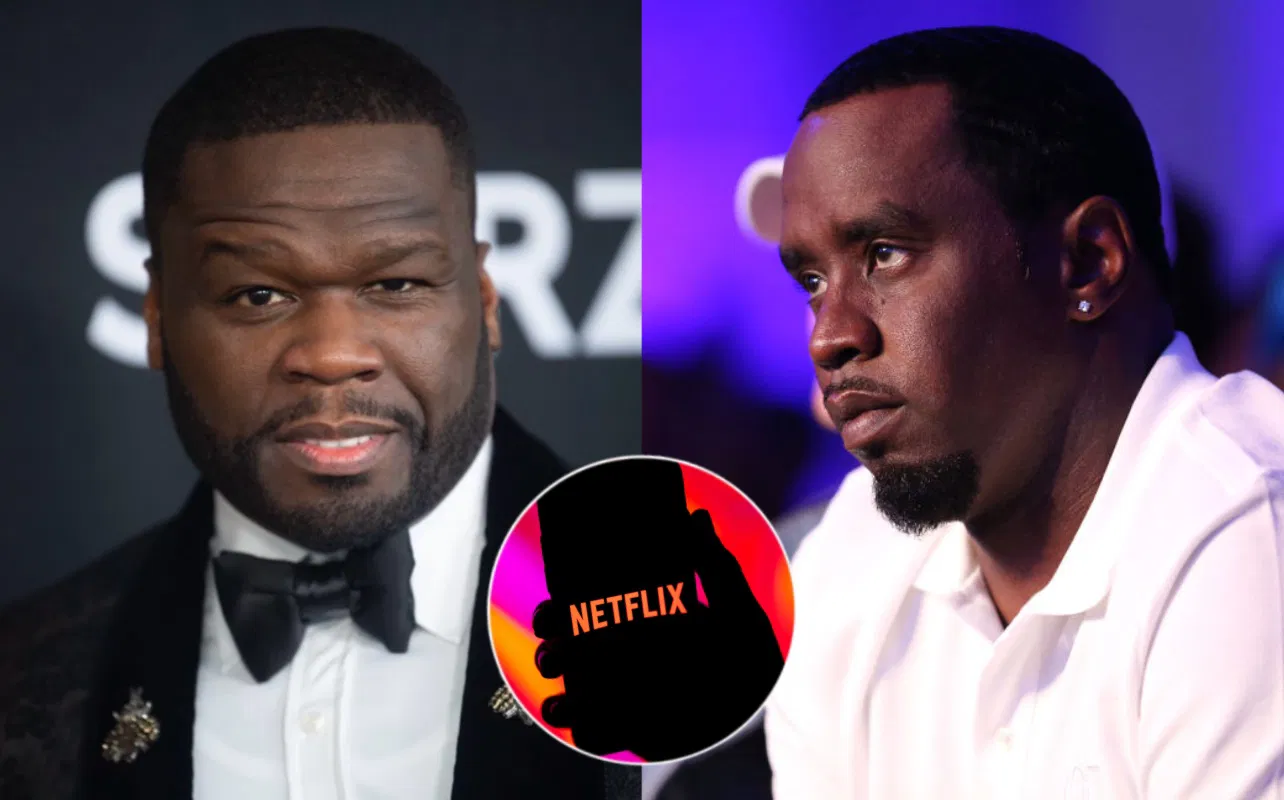
The Netflix docuseries Sean Combs: The Reckoning arrived with significant attention, positioning itself as a high-profile examination of allegations surrounding music mogul Sean “Diddy” Combs. Produced by Curtis “50 Cent” Jackson, the project promised to foreground voices that had not previously been part of the public conversation. Among those voices was Clayton Howard, a former sex worker who appeared on screen to recount his experiences.
Now, weeks after the series premiered, Clayton Howard has filed a lawsuit claiming that the final episodes bore little resemblance to the testimony he provided during interviews, raising broader questions about editorial power, narrative framing, and the responsibilities of documentary storytelling. Howard’s lawsuit, reviewed by Billboard, alleges that extensive post-production changes altered the meaning of his account and misrepresented his lived experience.
According to the complaint, the series selectively edited his statements in a way that reshaped how viewers understood both his role in the story and the actions of others mentioned in his testimony. At the center of the dispute is Howard’s assertion that he was trafficked, an allegation he says was stripped of essential context and reframed in a manner that left him publicly exposed while benefiting a broader narrative chosen by the producers. The lawsuit seeks damages for reputational, emotional, and financial harm and requests that Netflix add a disclaimer warning viewers that the program may not fully reflect original participant testimony.
Allegations of selective editing and altered testimony
In his legal filing, Clayton Howard argues that the most consequential distortion involved his account of Cassie Ventura, the singer who has been publicly identified as a former partner of Combs. Howard states that he identified Ventura as his primary trafficker during interviews conducted for the docuseries. He alleges that this aspect of his testimony was either minimized or removed during editing, resulting in a version of events that, in his view, fundamentally changed how audiences interpreted his story.
The complaint asserts that selective editing removed critical context that would have allowed viewers to understand the dynamics he described. Clayton Howard claims that by excluding these details, the series presented Ventura primarily as a victim while omitting allegations that, according to him, were central to his own experience. In a quoted statement within the lawsuit, Howard alleges that the defendants “deliberately edited, distorted, and misrepresented” his account, resulting in what he describes as severe damage to his reputation.
Howard’s legal argument hinges on the idea that documentary participants place trust in producers to convey their stories accurately, even when those stories are complex or uncomfortable. While filmmakers typically retain broad editorial discretion, Howard contends that the changes went beyond reasonable condensation or clarity and crossed into misrepresentation. He argues that viewers were left with an impression that conflicted with what he actually said, exposing him to public scrutiny and skepticism without the benefit of the full context he believes would have supported his claims.
Read : Exploring the Enchanting Queen of Hill Stations: Ooty
The lawsuit does not allege that Howard was unaware his footage could be edited, but rather that the finished portrayal deviated so sharply from his testimony that it constituted a distortion. This distinction is likely to be central to any legal evaluation of the case, particularly given the wide latitude generally afforded to documentary producers under U.S. law. Howard’s filing frames the issue not as a creative disagreement but as a matter of factual alteration that, he claims, caused tangible harm.
Claims of narrative shaping and commercial considerations
Beyond the specific allegations of misrepresentation, Howard’s lawsuit advances a broader critique of the motivations behind the series’ editorial decisions. He claims that his story was subordinated to a larger narrative strategy shaped by Curtis Jackson’s well-documented feud with Sean Combs. According to the complaint, the series emphasized material that aligned with an adversarial portrayal of Combs while downplaying or excluding allegations that could complicate that storyline or introduce legal and commercial risk.
Howard alleges that including his full account, particularly his claims involving Ventura, may have posed challenges for the series’ marketability or exposed it to additional controversy. The lawsuit suggests that the producers opted for a simplified narrative that would resonate with audiences while avoiding elements that could undermine the project’s commercial appeal or strategic focus. In this framing, Howard argues that his experience became collateral damage in service of a broader agenda.
This aspect of the lawsuit touches on long-standing debates about documentary ethics, particularly when projects involve powerful figures, ongoing legal disputes, or significant financial stakes. While documentaries often aim to provoke discussion or advance a particular perspective, critics have long argued that such goals can conflict with the obligation to represent participants fairly.
Howard’s filing positions his case within this tension, alleging that his credibility and safety were compromised to maintain narrative coherence and audience engagement. The complaint does not present direct evidence of internal deliberations or explicit decisions by producers, but it asserts that the outcome itself demonstrates a pattern of editorial choices favoring certain interpretations over others.
Whether such claims can be substantiated in court remains uncertain, but they underscore the complexity of producing investigative content in a highly polarized media environment. For participants like Howard, the lawsuit suggests, the consequences of these choices extend beyond screen time to real-world reputational and emotional impact.
Legal stakes and implications for documentary storytelling
Howard is seeking compensatory damages for what he describes as reputational, emotional, and financial harm, reflecting the multifaceted consequences he claims to have suffered since the series aired. In addition to monetary relief, he is asking Netflix to add a disclaimer informing viewers that the program may not fully reflect the original testimony of those featured. Such a request, if granted, would be an unusual remedy and could have implications for how streaming platforms approach disclaimers and participant disclosures in future projects.
Read : Isharae Jackson Sues Amazon Over Alleged Harassment for Pumping Breast Milk at Fulfillment Center
As of now, neither Netflix nor Curtis Jackson has publicly commented on the lawsuit, which remains pending. Their eventual response will likely address issues of consent, editorial discretion, and the contractual agreements governing Howard’s participation. In many documentary cases, release forms grant producers broad rights to edit footage as they see fit, a factor that could weigh heavily in the defense. Howard’s challenge appears to rest on the argument that even within those agreements, there are limits when editing results in alleged factual distortion rather than interpretive framing.
The case arrives at a moment when streaming platforms are under increasing scrutiny for how they handle true-crime and investigative content. Viewers, critics, and participants alike have raised concerns about the balance between compelling storytelling and ethical responsibility. Lawsuits from participants are relatively rare but not unprecedented, and their outcomes can influence industry practices, particularly around transparency and participant protections.
For now, Howard’s lawsuit adds another layer to the ongoing public discourse surrounding Sean Combs: The Reckoning and the allegations it explores. It highlights the power imbalance that can exist between large media entities and individual contributors, as well as the enduring legal and ethical questions surrounding who ultimately controls a story once it enters the public domain.
**backbiome**
Mitolyn is a carefully developed, plant-based formula created to help support metabolic efficiency and encourage healthy, lasting weight management.