
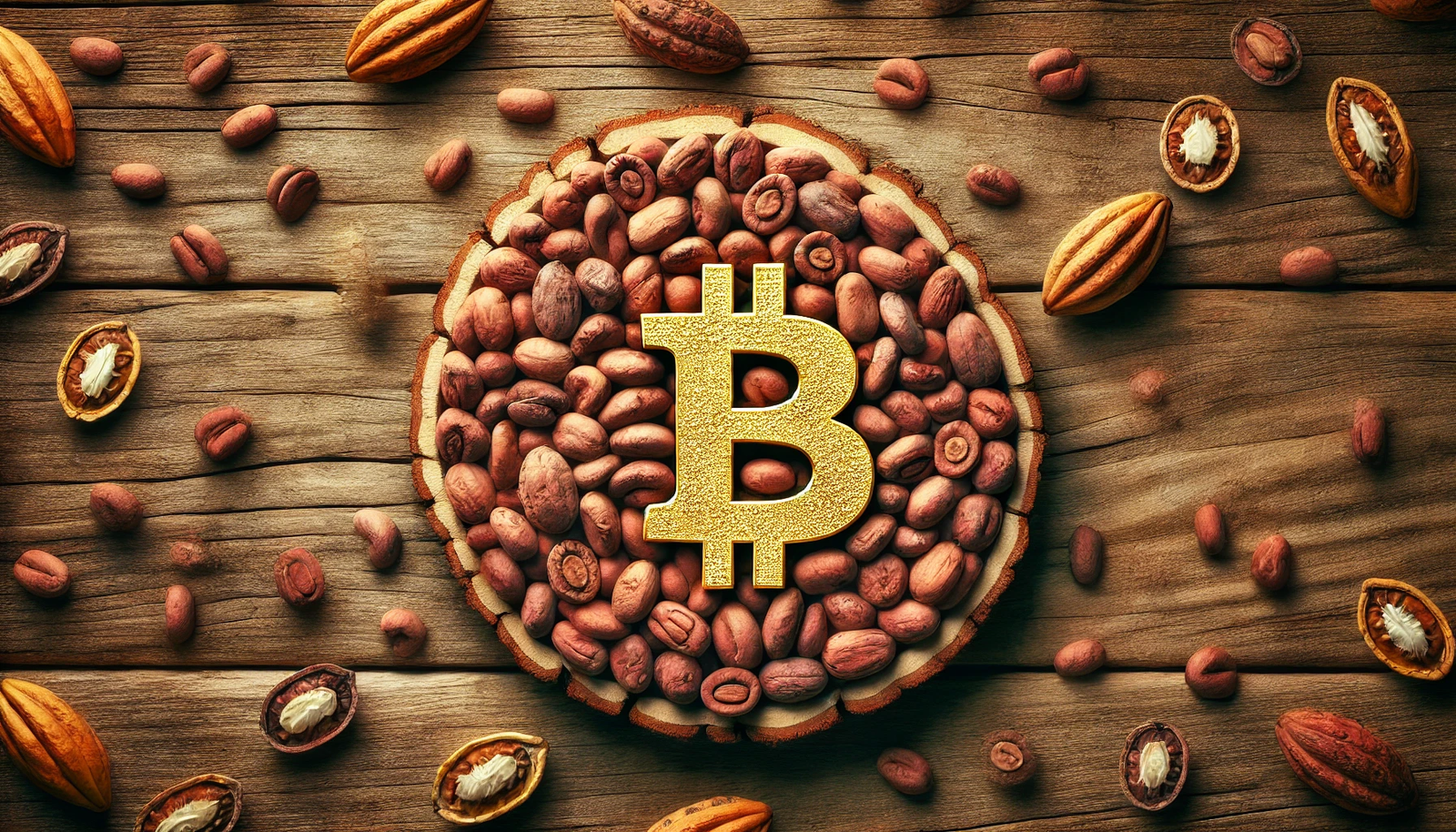
Cocoa, the essential ingredient in chocolate, surprised the financial world in 2024 by outperforming Bitcoin and other commodities.
While Bitcoin’s rise to prominence was significant, cocoa stole the spotlight with an impressive 185% price surge, making it the best-performing asset of the year.
The Meteoric Rise of Cocoa in 2024
Cocoa’s extraordinary performance in 2024 was driven by several critical factors, primarily supply shortages in key production regions. West Africa, which produces the majority of the world’s cocoa, faced severe challenges that disrupted the global supply chain.
Erratic weather patterns, including prolonged droughts and irregular rainfall, significantly reduced crop yields in countries like Ghana, Ivory Coast, and Cameroon.
Adding to these woes, the cacao swollen shoot virus disease (CSSVD) ravaged cocoa plantations, drastically diminishing harvests. Farmers and governments in affected regions struggled to combat the disease, exacerbating supply shortages. Furthermore, the lack of investment in modern agricultural techniques left cocoa farming vulnerable to these challenges.
Read : ‘I Hope He Finds It…’: The Saga of James Howells’ Lost ₹5,900 Crore Bitcoin Fortune Buried in Trash
By December 2024, cocoa prices reached an all-time high of over $12,000 per ton. The surge underscored persistent concerns about supply shortages and production challenges.
Read : Password Forgotten for 11 Years, Rs 25 Crore Bitcoin Wallet Cracked
As demand for cocoa continued to grow, particularly in emerging markets with expanding middle classes, supply constraints pushed prices higher, making cocoa the undisputed star of the commodity market.
How Cocoa Outperformed Bitcoin
Bitcoin, often the focus of financial headlines, also enjoyed a strong year in 2024, with its value rising by 126.05%. Starting the year at around $42,000, Bitcoin soared to $95,200 by December, driven by renewed investor interest and an evolving regulatory environment. Despite this remarkable growth, it was no match for cocoa’s dramatic rise.

Cocoa’s price surge was rooted in tangible, real-world challenges. Unlike Bitcoin, which is influenced by speculative factors, cocoa’s performance reflected pressing agricultural issues such as climate change, crop disease, and insufficient infrastructure investment. These immediate and pressing factors contributed to cocoa’s significant and relatively predictable price growth.
While Bitcoin remained volatile, swayed by market sentiment and competition from other cryptocurrencies, cocoa’s price trajectory followed a clear narrative of supply and demand. As a result, cocoa offered a safer yet lucrative investment opportunity in 2024, appealing to investors seeking stability amidst economic uncertainty.
The Broader Impact on Commodity Markets
Cocoa’s rise in 2024 was not an isolated event. Several other commodities also recorded significant gains, driven by a variety of factors ranging from climate change to geopolitical instability. Orange juice prices, for example, surged by 73%, while natural gas saw a 43% increase. However, none could match cocoa’s stellar 185% rise.
These developments highlighted the unpredictable nature of commodity markets. Unlike cryptocurrencies, which are largely speculative, commodities are deeply tied to physical production and consumption dynamics.
Issues such as adverse weather, disease outbreaks, and geopolitical tensions can have profound effects on commodity prices, making them attractive for investors who prefer assets linked to tangible resources.
Cocoa’s standout performance in 2024 serves as a reminder of the importance of agricultural commodities in the global economy. It also underscores the challenges faced by producers in adapting to a rapidly changing climate and evolving market conditions.
Cocoa’s unexpected dominance in 2024 will be remembered as a landmark event in financial history. While Bitcoin’s impressive growth captured headlines, cocoa’s meteoric rise of 185% outshone the cryptocurrency giant, cementing its status as the year’s top-performing asset.
This achievement was driven by real-world challenges, including climate-related disruptions, crop diseases, and supply shortages. These issues emphasize the importance of addressing vulnerabilities in the agricultural sector to ensure sustainable production and market stability.
As we move into 2025, the cocoa market is likely to remain volatile, with continued concerns about supply and demand dynamics. Investors will be watching closely to see whether cocoa can sustain its momentum or if other commodities will rise to take its place.