

Columbia University has announced new policies regarding campus protests and academic departments following the Trump administration’s decision to withhold $400 million in federal funding.
The funding freeze was imposed due to allegations that the university failed to address antisemitism on campus. In response to the administration’s demands, Columbia has agreed to ban face masks intended to conceal identity during protests, enforce stricter identification requirements, and reassess academic programs related to the Middle East.
These decisions reflect the ongoing tension between academic institutions and government policies regarding free speech, campus safety, and political activism.
The Funding Freeze and Its Impact on Columbia
The Trump administration’s decision to withhold $400 million from Columbia University came after accusations that the institution did not take sufficient action to protect Jewish students from harassment and antisemitic incidents.
The administration provided a list of nine demands that the university needed to comply with before funding reconsideration. Among these demands were stricter measures to curb protests, the ban on face masks, and the authority for campus police to arrest protesters classified as agitators.
Columbia’s agreement to these measures signals its willingness to align with federal requirements to secure financial support. Interim President Katrina Armstrong addressed the university community, highlighting the administration’s commitment to fostering an environment that is safe and inclusive for all students.
The decision to comply with government demands has sparked mixed reactions within the academic community, with some supporting stricter campus regulations while others view it as a suppression of free speech.
Read : Colombia Death Toll from Guerrilla Violence Rises to 80 in 4 Days
The financial implications of the funding freeze have been significant for Columbia. Federal funding plays a crucial role in research grants, financial aid for students, and infrastructure development.
Read : Colombia: Embarking on an Odyssey Through the Land of Eternal Spring
Without these funds, the university risks setbacks in key academic and research initiatives. By implementing the requested policy changes, Columbia aims to regain access to these crucial financial resources and ensure the stability of its academic programs.
Changes in Campus Policies and Academic Oversight
As part of the policy changes, Columbia University has explicitly banned face masks that conceal identity during protests. This measure aligns with the Trump administration’s broader effort to curb campus demonstrations that have often involved masked protesters.
The new policy requires all students involved in demonstrations to present university identification when requested by authorities. These steps aim to enhance accountability and prevent disruptions that may arise from anonymous participation in protests.
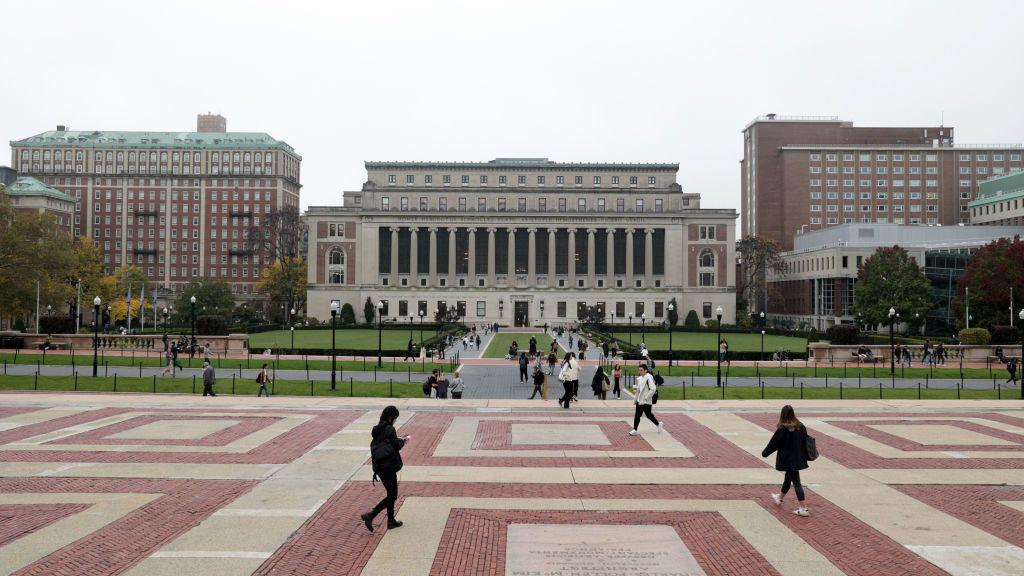
Additionally, Columbia has introduced changes within its academic structure, particularly within its Middle Eastern, South Asian, and African Studies department. A newly appointed Senior Vice Provost will oversee educational programs related to regional studies, ensuring that academic offerings are comprehensive and balanced.
The university’s statement emphasized that this review would begin immediately with programs related to the Middle East, reflecting government concerns about potential biases in educational curricula.
Columbia has also pledged to reassess its admission procedures to eliminate potential biases and uphold an unbiased selection process.
While these changes may be seen as a step toward ensuring inclusivity, they have also raised concerns among students and faculty members who believe that external political influence may compromise academic freedom and institutional autonomy.
Broader Implications for U.S. Universities
Columbia University is not the only institution facing scrutiny from the Trump administration. Over 60 universities have been warned that their federal funding could be revoked if allegations of antisemitism are not adequately addressed.
This move has intensified debates on the role of government intervention in higher education and the balance between combating discrimination and upholding free speech rights.
The policy changes at Columbia also coincide with the arrest of a former student activist, Mahmoud Khalil, who was detained by federal immigration authorities. Khalil, a legal U.S. resident, participated in pro-Palestinian protests on campus and now faces deportation.
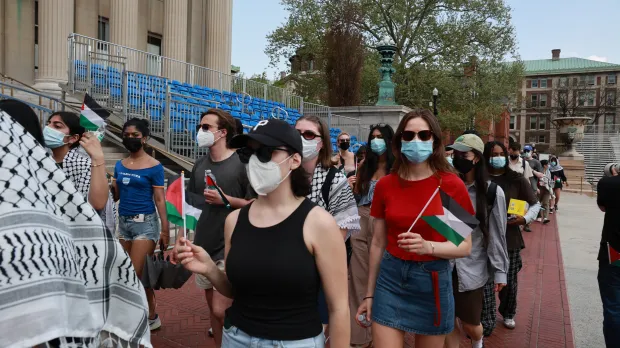
His case has drawn significant attention, with critics arguing that the government is targeting student activists for their political views rather than addressing legitimate security concerns.
The broader implications of these actions extend beyond Columbia, influencing how universities across the country handle campus protests and political discourse. While some view the administration’s measures as necessary to maintain order and prevent discrimination, others argue that they set a dangerous precedent for government overreach in academic institutions.
As Columbia navigates these challenges, the university must balance its commitment to free expression with the need to comply with federal policies.
The resolution of this funding dispute will likely shape the future relationship between higher education institutions and the government, setting a precedent for how political activism is regulated on college campuses nationwide.