

The White House Correspondents’ Association (WHCA) has long been known for hosting an annual dinner that brings together journalists, politicians, and celebrities. This event serves as both a celebration of press freedom and an opportunity for lighthearted roasts of political figures.
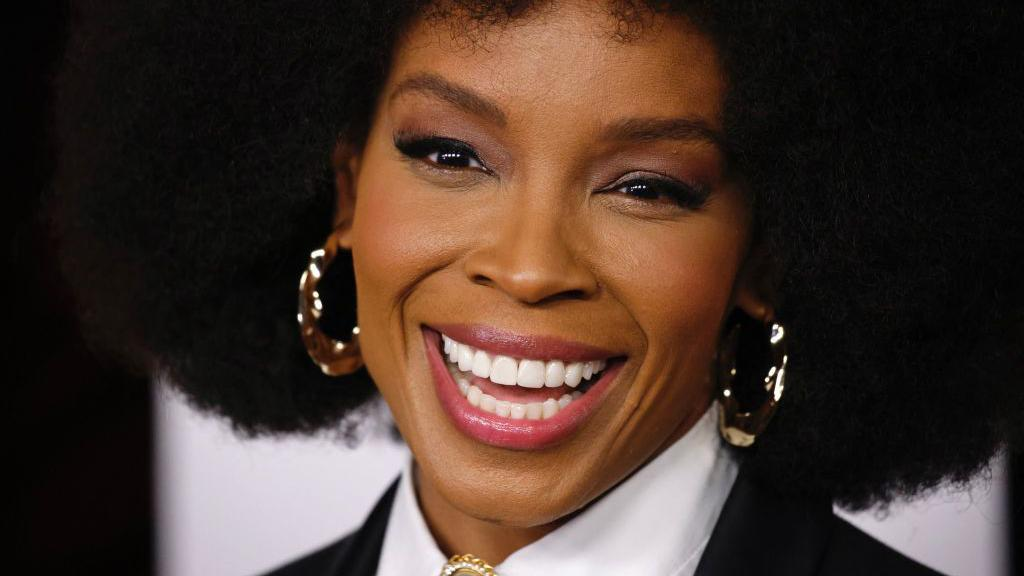
However, this year’s dinner has been thrust into controversy following the removal of comedian Amber Ruffin as host. Her outspoken criticism of former President Donald Trump led to the WHCA’s decision to cancel her comedic performance, raising questions about free speech, political sensitivities, and the evolving nature of the event.
Amber Ruffin’s Removal Sparks Debate
Amber Ruffin, a comedian and writer known for her sharp wit and bold political commentary, was initially chosen to host the 2024 WHCA dinner. However, her removal from the role has generated significant discussion.
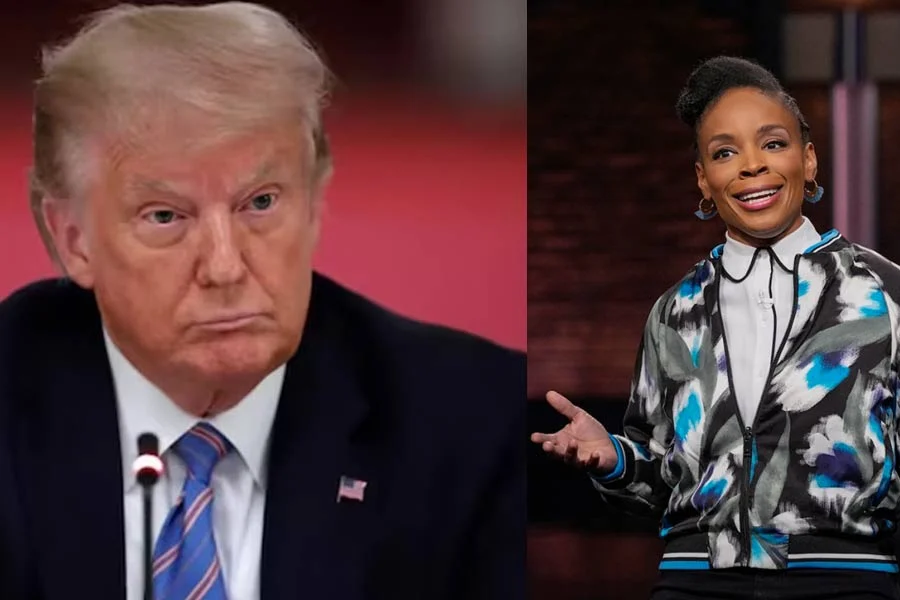
The controversy began when Ruffin reportedly expressed her desire to call Trump and his officials a “bunch of murderers” during the event. This statement, deemed too extreme by some, led to pushback from the White House.
Taylor Budowich, White House Deputy Chief of Staff, publicly criticized Ruffin, calling her a “second-rate comedian.” His comments were amplified on social media when he shared a clip of Ruffin’s remarks. This led to further scrutiny, culminating in WHCA President Eugene Daniels announcing that the board had decided to eliminate the comedic segment entirely.
Daniels emphasized that, at a time when journalism faces serious challenges, the focus should remain on honoring outstanding reporting rather than engaging in divisive political humor.
Read : Truly the Worst: Trump’s Portrait To Be Removed from Colorado Capitol After His Criticism
Ruffin’s removal has led to mixed reactions. Supporters argue that comedians should have the freedom to critique politicians without fear of reprisal, particularly in an event known for its tradition of roasting leaders.
Read : Lassi vs. Chaas: Which Refreshing Summer Drink is More Beneficial?
Others, however, believe that her remarks crossed a line and detracted from the purpose of the dinner. This incident has once again highlighted the delicate balance between humor, free speech, and political decorum in the modern era.
Trump’s History with the WHCA Dinner
Donald Trump’s relationship with the White House Correspondents’ Dinner has been fraught with tension. Throughout his first term, he repeatedly skipped the event, dismissing it as “boring and negative.”
Unlike previous presidents, who often embraced the tradition of good-natured roasts, Trump largely avoided the occasion, citing the media’s negative portrayal of him as a reason for his absence.
This year, Trump once again indicated that he was unlikely to attend. His statement came after Ruffin’s comments, reinforcing his long-standing perception that the dinner is an event designed to attack him rather than celebrate journalism. Back in February, Ruffin herself had remarked that “nobody wants” Trump at the dinner, further escalating tensions.
The WHCA dinner has historically featured comedic performances that poke fun at both Democratic and Republican administrations. However, Trump’s presidency marked a shift in the event’s tone, with a growing sense of polarization affecting how jokes are received.
His absence from previous dinners contributed to the perception that the event had become more adversarial. Now, with Ruffin’s removal and the decision to forgo a comedian altogether, the WHCA appears to be taking a more cautious approach.
The Future of the WHCA Dinner
The controversy surrounding Ruffin’s removal raises important questions about the future of the White House Correspondents’ Dinner. Traditionally, the event has been a blend of humor, journalism awards, and fundraising for scholarships. However, in recent years, it has increasingly become a flashpoint for political battles, with some arguing that it has lost its original spirit.
The decision to eliminate the comedic performance this year reflects a broader shift in how the WHCA wants to position itself. By focusing solely on awarding journalists and mentoring the next generation, the association is signaling an effort to move away from partisan controversies.
However, this decision has also sparked criticism, with some arguing that it represents a capitulation to political pressure and a loss of the event’s unique character.
Comedians have long played a crucial role in holding those in power accountable through satire. The absence of a comedic element at this year’s dinner could set a precedent for future events, potentially altering the nature of the occasion.
While some view this as a necessary change to refocus on journalism, others worry that it could lead to a more sanitized and less impactful event.
As the debate over Ruffin’s removal continues, it remains to be seen how the WHCA will navigate the challenges of hosting a politically sensitive event in an era of deep division. The decision to drop her as host has sparked important discussions about press freedom, the role of comedy in politics, and the fine line between satire and controversy.
Whether this marks a temporary shift or a permanent change in the nature of the dinner, the incident serves as a reflection of the broader tensions shaping American political discourse today.