

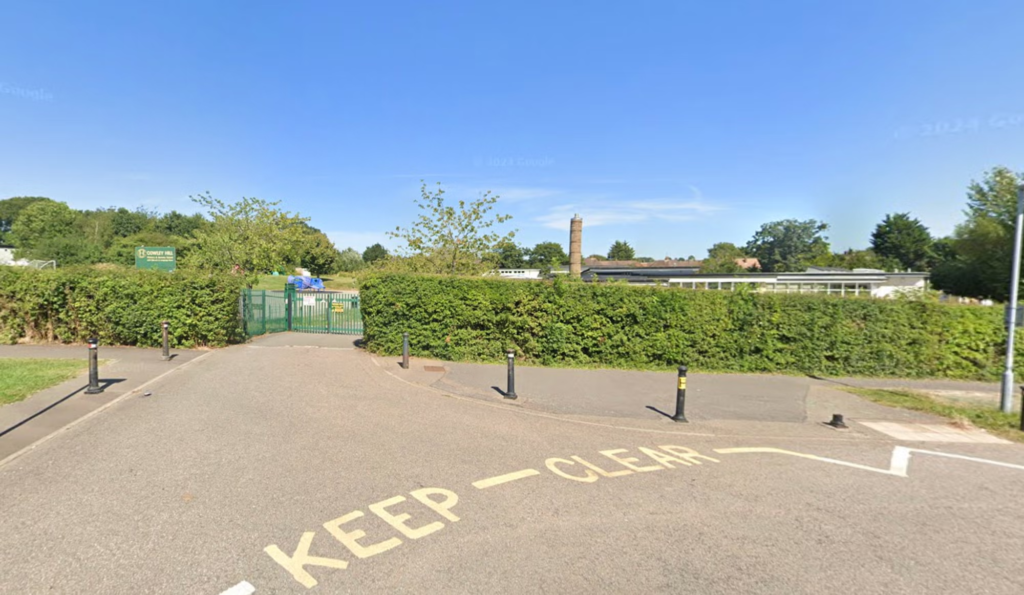
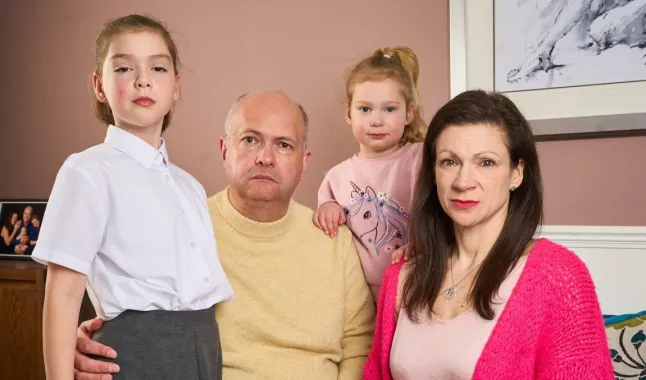
The recent case of Maxie Allen and Rosalind Levine, parents of a nine-year-old student at Cowley Hill Primary School in Borehamwood, Hertfordshire, has sparked widespread debate over the role of law enforcement in addressing parental concerns within the school system.
Their arrest on January 29 by six Hertfordshire police officers in front of their young daughter has raised questions about freedom of speech, the limits of parental involvement, and the power dynamics between schools and parents.
The Background of the Controversy
Maxie Allen and Rosalind Levine’s concerns about Cowley Hill Primary School began when the school failed to follow an open recruitment process for a new head teacher. Mr. Allen, who had previously been on the school’s board of governors, questioned why the outgoing head teacher’s retirement was not followed by a transparent hiring process.
His queries, however, were reportedly ignored by school governors. The couple began expressing their concerns through multiple emails to the school and messages in a private WhatsApp group with other parents.
According to Maxie Allen and Rosalind Levine, they were met with resistance from school authorities, who accused them of making defamatory and inflammatory comments. The school chair of governors even issued a warning to parents that any negative comments on social media could result in action being taken against them.
This escalated tensions between the couple and the school, leading to restrictions on their communication. They were ultimately prohibited from attending their daughter’s school events, including a parents’ evening and a Christmas performance.
Their concerns were not just administrative; their daughter Sascha has epilepsy and neurodivergence, which meant that sharing crucial medical information with teachers was essential.
However, their restricted access to the school prevented them from doing so effectively. This, they argued, put their daughter’s well-being at risk and further compounded their frustration with the school’s handling of the situation.
Arrest and Police Investigation
On January 29, six Hertfordshire police officers arrived at the family’s home and arrested both parents in front of their daughter. They were accused of harassment, malicious communications, and causing a nuisance on school property. The couple was taken into custody, fingerprinted, searched, and left in a cell for eight hours before being released without charge.
Following a five-week investigation, the police determined that there was insufficient evidence to proceed with the case. Nevertheless, the arrest itself had a significant impact on the family.
Maxie Allen and Rosalind Levine expressed their disbelief and frustration, stating that they had never used threatening or abusive language and had followed due process in raising their concerns.
Mr. Allen, who works as a producer at Times Radio, described the situation as a “massive overreach” by Hertfordshire Constabulary and accused the school of using the police to silence critical parents. He called the ordeal “Kafkaesque,” referring to the surreal and nightmarish experience of being arrested without clear justification.
The school, for its part, maintained that the couple’s repeated correspondence and social media activity had caused distress to staff, parents, and governors. Cowley Hill Primary School defended its actions, stating that it had merely sought advice from the police due to the high volume of emails and public posts made by Allen and Levine.
Implications and Public Reactions
This case has ignited discussions about the limits of parental advocacy and the potential misuse of law enforcement to quell dissent. Many have argued that the school overstepped its authority by seeking police intervention over what should have been a matter handled through internal procedures.
Critics suggest that the school’s response was disproportionate, especially given that Allen and Levine were acting within their rights to question the school’s decision-making process. The case also raises broader concerns about the criminalization of speech and the growing trend of institutions leveraging legal measures to suppress criticism.
Schools are expected to be transparent and open to parental input, but the use of arrests to silence dissent sets a troubling precedent. If parents fear that questioning school policies could result in police action, it may discourage open dialogue and erode trust between families and educational institutions.
Additionally, the involvement of law enforcement in what was essentially a dispute between parents and a school administration has sparked concerns about the prioritization of police resources.
Critics argue that cases involving actual threats or criminal behavior should be the focus of police efforts, rather than disputes over school governance and communication.
In response to the incident, Hertfordshire Constabulary stated that the arrests were necessary for a thorough investigation and that their professional standards department reviewed a related complaint, concluding that the officers had acted appropriately. However, this has done little to quell public skepticism about whether law enforcement should have been involved in the first place.
For Maxie Allen and Rosalind Levine, the ordeal has left lasting scars. Their daughter, Sascha, has been withdrawn from Cowley Hill Primary School, and they have spoken out about the emotional toll the experience has taken on their family. They continue to assert that their concerns were legitimate and that their attempts to engage with the school were met with undue hostility.
Moving forward, this case may serve as a wake-up call for both schools and law enforcement agencies to carefully consider how they handle disputes involving parents. Striking a balance between maintaining order and respecting parental rights will be crucial in preventing similar incidents from occurring in the future.
While the full implications of this case remain to be seen, it has undeniably sparked a necessary conversation about accountability, communication, and the appropriate use of police power in educational settings.
Whether it leads to policy changes or shifts in how schools engage with concerned parents, the arrest of Maxie Allen and Rosalind Levine will likely be remembered as a controversial and cautionary episode in the intersection of education and law enforcement.