
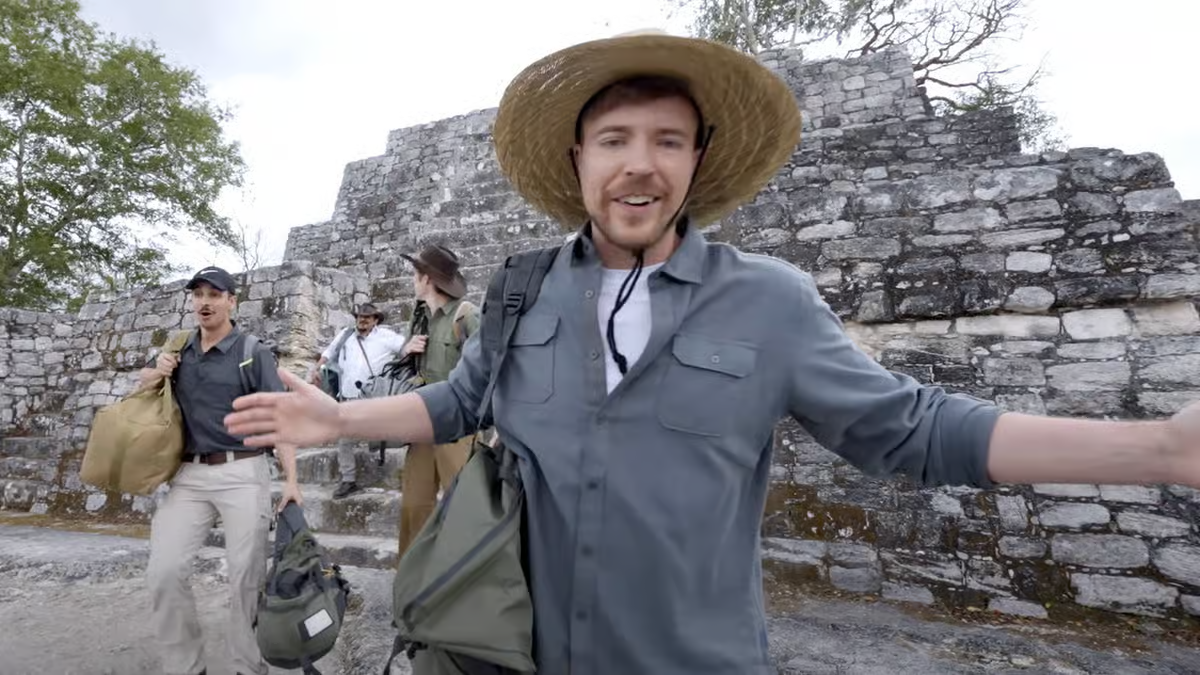
Jimmy Donaldson, widely known as MrBeast, is no stranger to the spotlight. As the world’s most-subscribed YouTuber, with a staggering lead of nearly 100 million subscribers over his closest competitor, his every move is scrutinized.
On May 10, 2025, MrBeast released a video that sparked significant controversy, this time centered in Mexico. The video, which has amassed over 55 million views, showcases MrBeast and his team exploring some of Mexico’s most iconic archaeological sites, including Chichén Itzá, Calakmul, and Balamcanché.
While the video was intended to highlight Mexico’s cultural heritage, it has ignited a firestorm of criticism due to the access granted to restricted areas, the portrayal of certain scenes, and questions about the permitting process.
Unauthorized Access to Sacred Sites
The core of the controversy lies in MrBeast’s access to areas within Mexico’s archaeological sites that are typically off-limits to the public. Chichén Itzá, home to the Temple of Kukulkan (El Castillo), is one of the seven wonders of the modern world and a sacred site for Mexico’s pre-Hispanic cultures. Similarly, sites like Calakmul and Balamcanché hold immense cultural and historical significance.
In the video, MrBeast and his team are seen exploring not only the publicly accessible areas but also restricted zones, including cenotes, temples, and substructures. At one point, MrBeast remarks, “I can’t believe the government is letting us do this. It’s truly crazy. Not even archaeologists are allowed in here.” This statement has fueled outrage, as it suggests preferential treatment for a YouTuber over researchers and locals who are denied similar access.
The National Institute of Anthropology and History (INAH), the Mexican government agency responsible for protecting these sites, responded to the backlash on May 12, 2025. The INAH clarified that MrBeast’s visit and filming were facilitated through “formal requests” made by the federal Ministry of Tourism and the governments of Yucatán and Campeche, not directly by MrBeast.
The video’s description notes a collaboration with the Mexican Ministry of Tourism, indicating that the project was part of a broader promotional effort. However, the INAH’s statement did little to quell public anger, as many questioned why a YouTuber was granted such access while sacred sites remain restricted to others, including archaeologists and indigenous communities.
Read : World’s Richest YouTuber MrBeast Engaged to Thea Booysen
Mexican President Claudia Sheinbaum addressed the issue on May 14, 2025, acknowledging that permits were issued for the “broadcast” but calling for an investigation into the conditions under which they were granted. She emphasized that any violation of the permits would result in sanctions, highlighting the government’s commitment to protecting cultural heritage.
🚨 "No entiendo cómo el gobierno nos dejó hacer esto…”
— Álvaro Obregón Digital 🇲🇽🫶🏼 (@_AOdigital) May 14, 2025
Así lo dijo #MrBeast tras pasar 100 horas en zonas arqueológicas de México.
Su nuevo video ya generó críticas al INAH y a las autoridades que autorizaron el acceso.
📹 Fuente: malusita76 pic.twitter.com/NbKDaOkKGr
The controversy was further inflamed by scenes in the video, such as a drone shot appearing to show the interior of the temple atop El Castillo and MrBeast holding a pre-Hispanic mask. The INAH refuted these depictions, stating that the drone shot was filmed outside the structure and that the mask was a contemporary reproduction, not an authentic artifact.
Additionally, claims of MrBeast descending by helicopter or spending the night at the sites were dismissed as post-production exaggerations. These clarifications, however, have not fully resolved concerns about the ethics of granting such access to a content creator.
The Permitting Process: Transparency and Accountability
A significant aspect of the controversy revolves around the permitting process for filming at Mexico’s archaeological sites. Exploring and filming in these areas is heavily restricted, governed by the Federal Law on Archaeological, Artistic, and Historical Monuments and Zones.
According to the INAH, only the institute itself or scientific institutions with “recognized moral standing” can conduct material work or exploration at these sites, and even then, only with prior authorization. The law mandates that permits specify the terms, conditions, and obligations of the work, ensuring that cultural heritage is protected.
In September 2024, the INAH responded to a citizen’s request for information about entering the Kukulkan pyramid at Chichén Itzá. The response, issued by José Francisco Javier Osorio León, director of the Chichén Itzá Archaeological Zone, reiterated that access is tightly controlled.
While MrBeast’s team was supervised by INAH personnel during filming, they were granted access to areas not permanently open to the public, such as the substructure of Structure II at Calakmul. The INAH noted that such access is possible with advance scheduling and justification, often for community tours or specific projects. However, the lack of transparency about the specific permits for MrBeast’s video has raised questions about accountability.
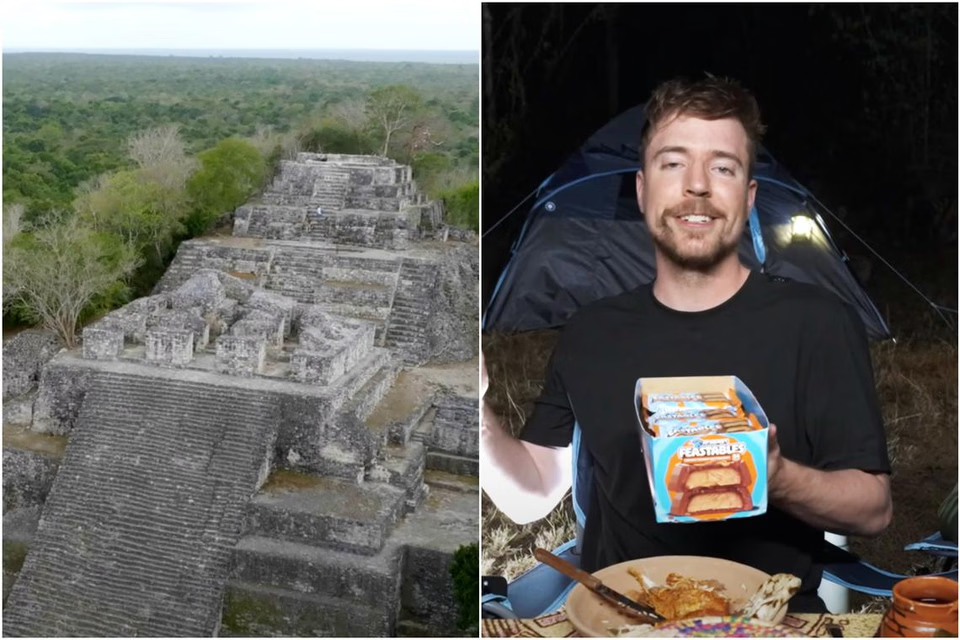
President Sheinbaum’s call for the INAH to disclose the permit’s details underscores the need for clarity. As of May 15, 2025, the public awaits further information on the scope of the permit and whether it was adhered to. Critics argue that the collaboration with the Ministry of Tourism suggests a commercialization of sacred sites, prioritizing tourism revenue over cultural preservation.
Federal Culture Secretary Claudia Curiel de Icaza expressed strong disapproval on May 13, 2025, stating, “This isn’t the first time this type of incident has happened, and it’s been clarified. Of course we don’t agree, and of course there will be appropriate sanctions because that’s not what these spaces are for.”
Her remarks reflect a broader sentiment that archaeological sites should not be used as backdrops for entertainment, regardless of the economic benefits. The INAH, while defending the permitting process, acknowledged that MrBeast’s video contains “distorted” information.
However, it also suggested that the video could inspire young audiences to learn about Mexico’s ancestral cultures and visit archaeological sites. This dual perspective highlights the tension between promoting cultural heritage and safeguarding it from exploitation. Until the INAH releases detailed information about the permit, public skepticism about the process is likely to persist.
Cultural Sensitivity and the Role of Influencers
The controversy surrounding MrBeast’s video raises broader questions about cultural sensitivity and the responsibilities of influencers in handling sacred or historically significant sites. MrBeast’s approach, characterized by theatricality and sensationalism, has been criticized for trivializing the cultural importance of Mexico’s archaeological sites.
Scenes depicting him holding a reproduction mask or appearing to access restricted areas have been seen as disrespectful, even if some elements were fabricated in post-production. For many Mexicans, these sites are not mere tourist attractions but living connections to their pre-Hispanic heritage, deserving of reverence and protection.
The backlash against MrBeast also reflects growing concerns about the influence of global content creators in local contexts. With his massive platform, MrBeast has the power to shape perceptions of Mexico’s cultural heritage for millions of viewers. While the INAH sees potential in this reach to promote interest in archaeology, critics argue that the video prioritizes entertainment over education.
The collaboration with the Ministry of Tourism suggests an intent to boost Mexico’s image as a tourist destination, but at what cost? The controversy highlights the need for influencers to engage with cultural sites in ways that respect local laws, traditions, and sensitivities.
Moreover, the incident underscores the challenges of balancing tourism, cultural preservation, and public access. Mexico’s archaeological sites are a source of national pride and a significant draw for international visitors, contributing to the economy. However, their preservation requires strict regulations to prevent damage and ensure they remain accessible for future generations.
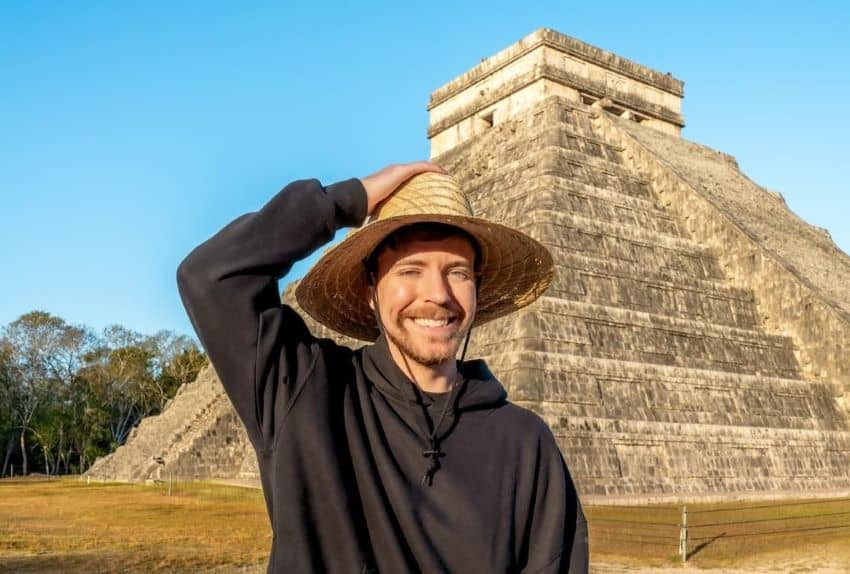
MrBeast’s video, while bringing global attention to these sites, has sparked a debate about who should have access and under what conditions. The INAH’s supervision of the filming indicates an attempt to enforce regulations, but the public’s reaction suggests that more robust oversight and community involvement are needed.
The controversy is not MrBeast’s first brush with criticism. His larger-than-life stunts and giveaways have previously drawn scrutiny for ethical concerns, from environmental impact to exploitation allegations. In this case, the backlash is amplified by the cultural significance of the sites and the perception of unequal access.
As influencers like MrBeast continue to push boundaries, their actions prompt important discussions about privilege, responsibility, and the global impact of their content. The controversy surrounding MrBeast’s Mexico temple video is a multifaceted issue that touches on access, transparency, and cultural sensitivity.
By filming in restricted areas of Mexico’s archaeological sites, MrBeast sparked outrage among those who view these spaces as sacred and deserving of protection. The permitting process, while formally conducted, has raised questions about accountability and the commercialization of cultural heritage. Meanwhile, the incident highlights the broader responsibilities of influencers in engaging with historically significant sites.
As Mexico grapples with the balance between tourism and preservation, the MrBeast controversy serves as a reminder of the need for clear regulations, community involvement, and respect for cultural heritage. While the video may inspire some to explore Mexico’s rich history, it has also underscored the importance of ensuring that such explorations honor the sanctity of these sites.
As the INAH and Mexican government investigate the permits and potential violations, the public will be watching closely, hoping for answers that prioritize the protection of their cultural legacy.