
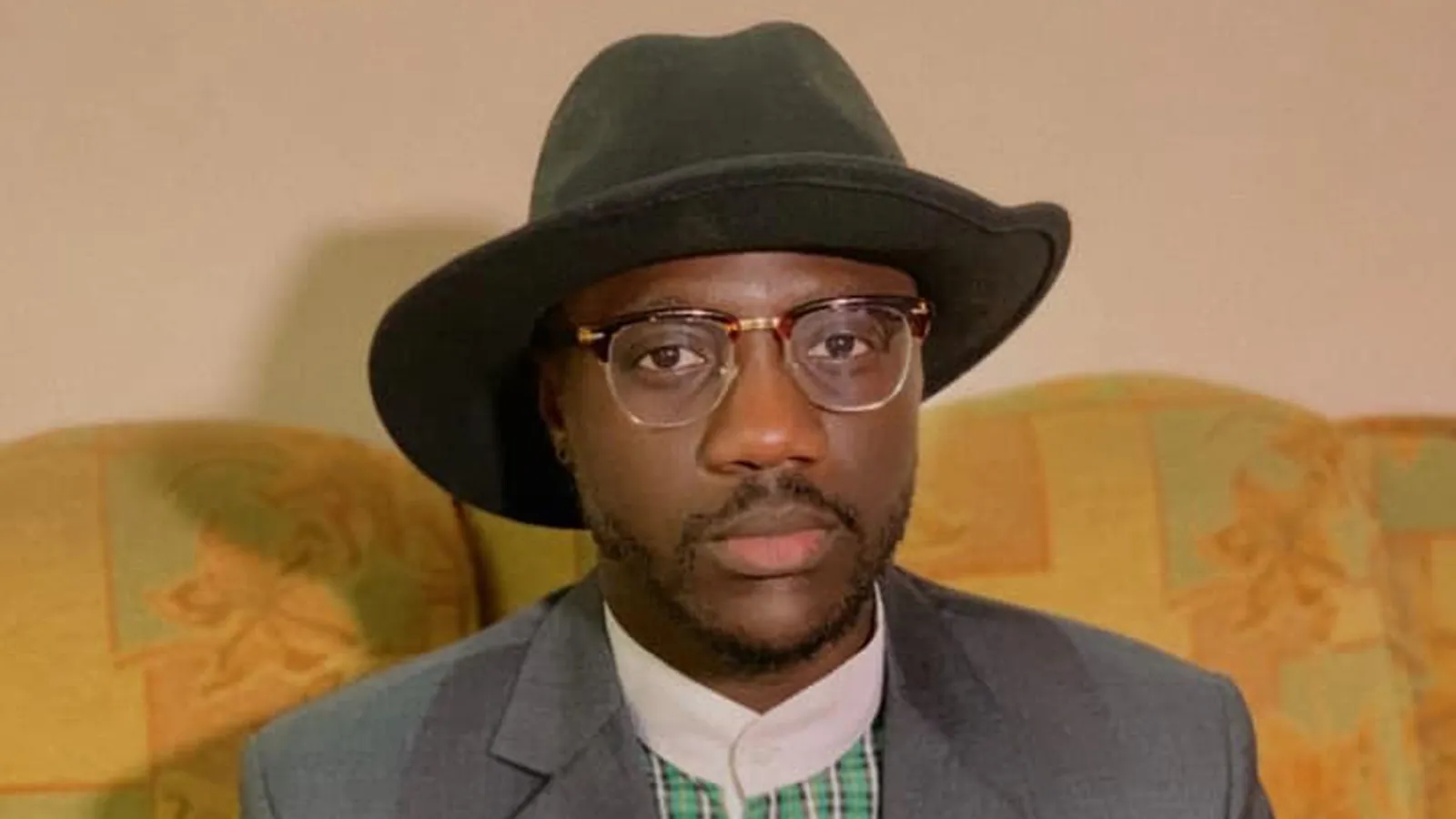
Momodou Taal, a PhD student at Cornell University, has left the United States after facing the threat of deportation during his legal battle against the Trump administration’s executive orders.
Taal, a citizen of both the UK and The Gambia, was involved in a lawsuit against two executive directives issued in January, which he argued violated the constitutional rights of non-citizens who protest against the U.S. government or its allies, including Israel.
The lawsuit, filed alongside two other Cornell academics, alleges that the orders create an unconstitutional precedent for targeting individuals based on their political beliefs and expressions.
However, as the case was ongoing, Taal received notice from federal authorities demanding he surrender to immigration officials, forcing him to make the difficult decision to flee the country. His departure has sparked intense debates over free speech, immigration policy, and the limits of executive power.
The legal battle and its implications
The legal case that Momodou Taal and his fellow academics brought against the Trump administration centers on two executive orders that aim to deport non-citizens who “bear hostile attitudes toward its citizens, culture, government, institutions, or founding principles” or who “advocate for, aid, or support designated foreign terrorists and other threats to our national security.”
These broadly worded orders have been criticized for their vague language, which many argue grants government officials unchecked discretion in determining what constitutes a “hostile attitude.”
Momodou Taal and his legal team have argued that these directives violate the First Amendment, which protects freedom of speech, and the Fifth Amendment, which guarantees due process. Critics warn that such policies set a dangerous precedent, allowing the government to silence dissent by targeting non-citizens who engage in protest activities.
This concern has been heightened by reports of increased immigration enforcement actions against individuals involved in pro-Palestinian demonstrations, including Momodou Taal himself, whose visa was revoked shortly before he filed his lawsuit.
Read : Texas Grandmother Accused of Injuring Postal Worker Faces Deportation
Despite these arguments, a federal court recently denied an emergency request to halt enforcement of the orders against Taal. The judge ruled that since his visa had been revoked before the lawsuit was filed, the court lacked jurisdiction to pause his deportation process.
Read : Germany to Tighten Rules on Deporting Foreigners Who Glorify Terror Acts Amid Gaza War
The ruling left Momodou Taal with few options, as he faced an imminent immigration arrest with little chance of reprieve. His decision to flee the country rather than face detention reflects a deep loss of trust in the U.S. legal system’s ability to protect his rights.
Crackdown on dissent and controversial deportations
Momodou Taal’s case is not an isolated incident. Across the United States, there has been an alarming rise in immigration enforcement actions against non-citizens involved in political activism. Advocates argue that these actions are part of a broader crackdown on dissent, particularly targeting those who criticize the U.S. government and its policies.
One particularly troubling case is that of Rumeysa Ozturk, a Turkish doctoral student at Tufts University who was arrested by masked immigration agents. Ozturk’s lawyers allege that she was detained without due process and secretly transferred to a detention facility in Louisiana, even after a federal judge issued an order barring her removal for 48 hours.
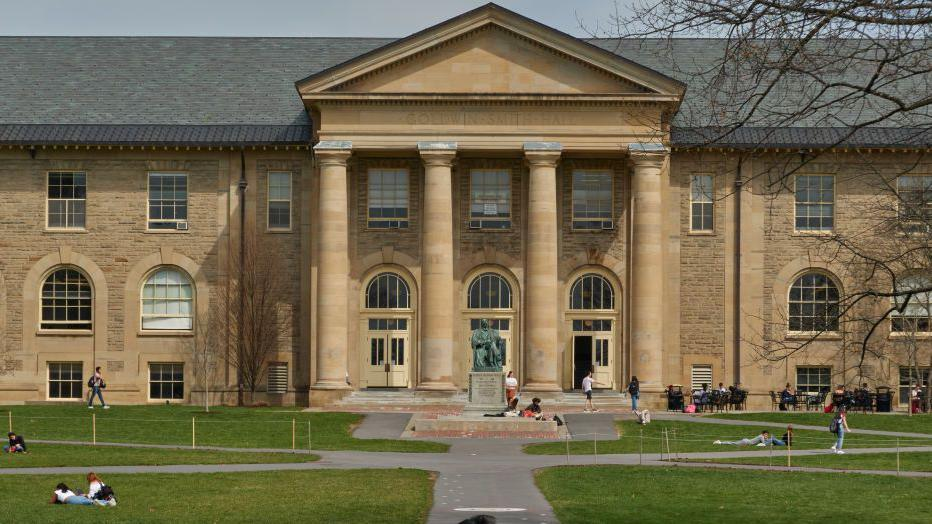
The only known reason for her arrest appears to be her co-authorship of an op-ed critical of Israel’s military actions. Similarly, the Trump administration has invoked the Alien Enemies Act, a rarely used wartime law, to justify the deportation of over 200 Venezuelans.
Many of these individuals, allegedly linked to the criminal group Tren de Aragua, were deported to a notorious Salvadoran prison, even though the administration later admitted that “many” of them had no prior criminal record. Some of these deportations were carried out despite active court orders blocking them, further raising concerns about executive overreach and the erosion of due process.
The future of free speech and immigration rights
Momodou Taal’s departure from the U.S. raises profound questions about the future of free speech and immigration rights in the country. His case highlights the vulnerabilities faced by non-citizens who engage in political activism, as well as the extent to which executive power can be used to suppress dissent.
Legal experts warn that if such policies are allowed to stand, they could create a chilling effect, discouraging non-citizens from expressing their views for fear of retaliation. Civil rights organizations and legal advocacy groups have called for urgent action to challenge these policies.
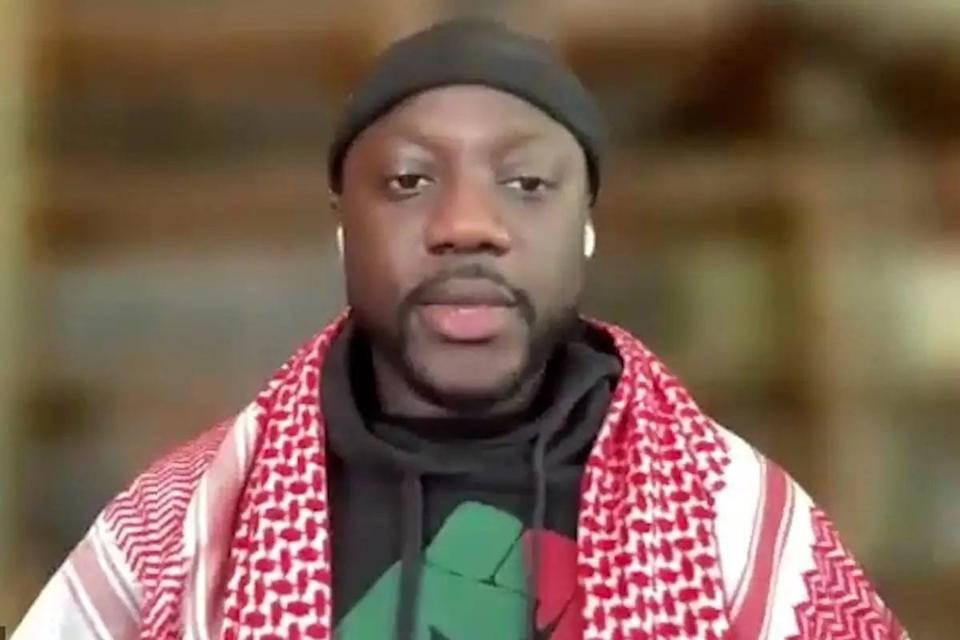
They argue that the ability to speak freely without fear of government reprisal is a fundamental principle of democracy, one that should apply to all residents regardless of citizenship status. However, with the courts proving reluctant to intervene, many fear that the Trump administration’s aggressive approach to immigration enforcement will continue unchecked.
For Momodou Taal and others in similar situations, the path forward remains uncertain. While he may have escaped immediate detention, the legal battle over the constitutionality of the executive orders he opposed is far from over. His case has drawn significant attention to the broader implications of these policies, fueling calls for greater oversight and legal protections for non-citizens engaged in activism.
As debates over immigration, national security, and civil liberties continue to intensify, the outcome of cases like Momodou Taal’s could have lasting consequences for the future of political expression in the United States.