
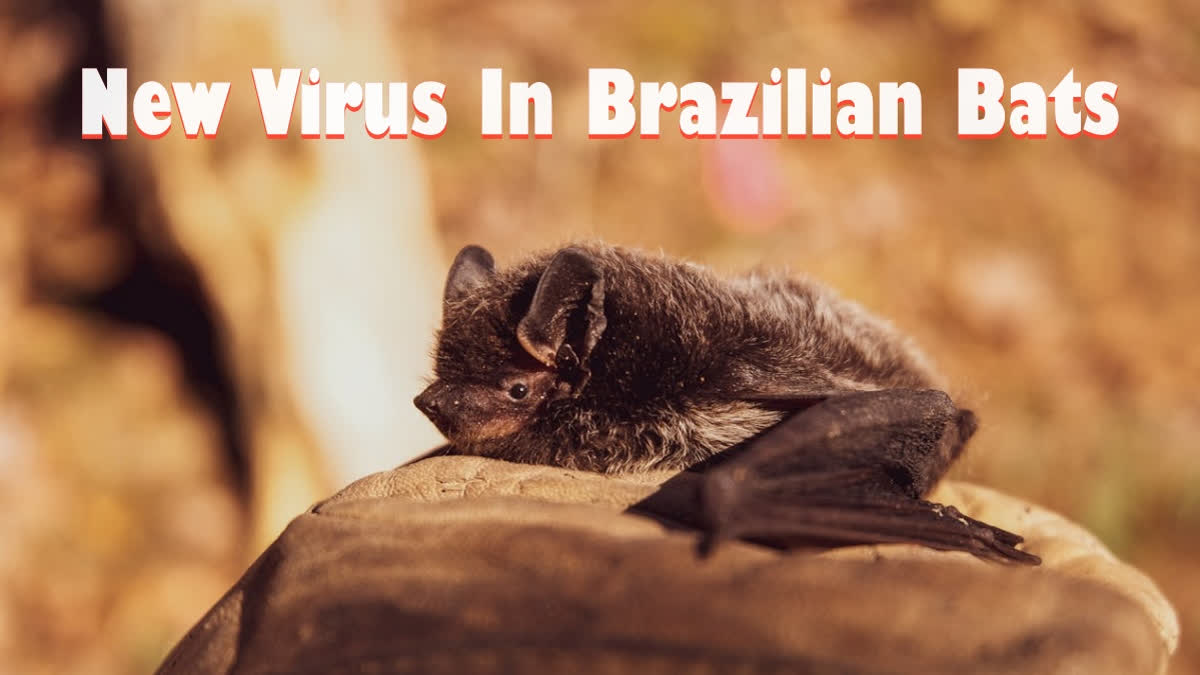
A new Coronavirus Discovered in Bats in Brazil, raising concerns among scientists about its potential risks to humans. The virus shares genetic similarities with the deadly Middle East Respiratory Syndrome (MERS) virus, which has been responsible for over 850 deaths worldwide since its discovery in 2012.
While the newly found virus’s impact on human health remains uncertain, researchers are conducting further studies in high-biosecurity laboratories to understand its potential transmission risks. The discovery highlights the importance of continuous surveillance of bat populations, as they serve as reservoirs for various emerging viruses.
The Discovery and Genetic Similarities to MERS
The novel coronavirus was identified by researchers from São Paulo and Ceará in collaboration with scientists from Hong Kong University.
Through extensive screening of bat populations in the northeastern city of Fortaleza, the team analyzed 423 oral and rectal swabs collected from 16 different bat species. Their findings revealed seven coronaviruses, including one that closely resembles the MERS-CoV virus.
The newly discovered virus shares approximately 72% of its genetic sequence with MERS-CoV, suggesting a possible connection between the two. The most significant similarity lies in the spike protein, the critical component that allows coronaviruses to bind to and infect host cells.
Read : 13-Year-Old Boy Dies After Falling from Window At Hotel Corona Plaza in Rosarito
In this case, the spike protein of the Brazilian bat coronavirus exhibited a 71.74% resemblance to the MERS virus’s spike protein. This similarity raises concerns about whether the virus might have the ability to infect humans or other mammals.
Read : Rare ‘Green Polar Rain’ Aurora Observed from Earth for the First Time
According to Bruna Stefanie Silvério, the first author of the study, researchers have identified sections of the virus’s spike protein that suggest potential interaction with the receptor used by MERS-CoV. However, further laboratory experiments are necessary to confirm whether the virus can indeed infect human cells.
The Role of Bats as Virus Reservoirs
Bats have long been known to serve as reservoirs for a wide variety of viruses, including coronaviruses that have previously caused outbreaks in humans. SARS-CoV, which led to the 2002-2003 Severe Acute Respiratory Syndrome (SARS) outbreak, and SARS-CoV-2, the virus responsible for the COVID-19 pandemic, both originated in bat populations.
The new discovery in Brazil adds to the growing evidence that bats continue to harbor diverse coronaviruses, some of which may pose risks to human health.
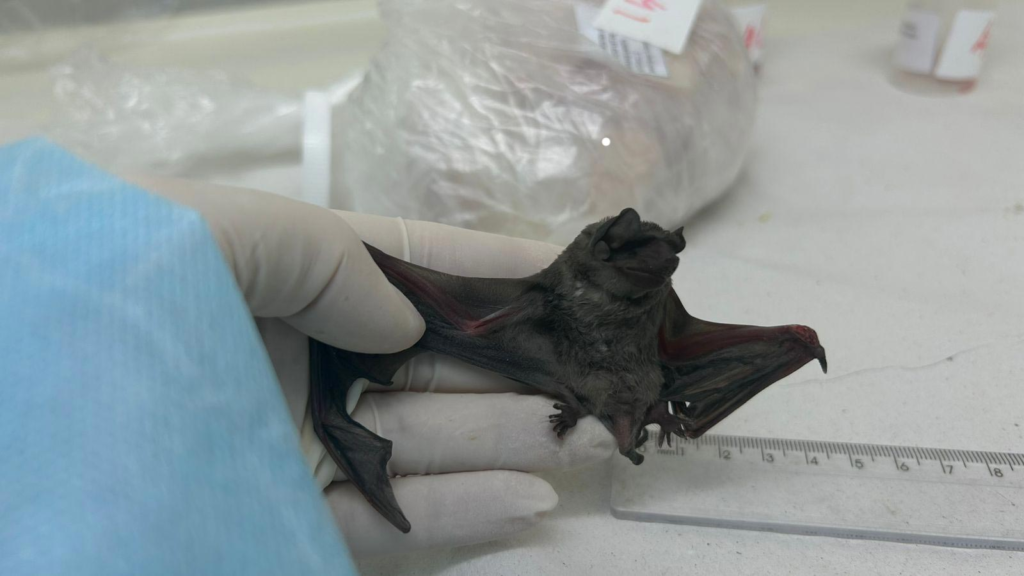
Scientists emphasize that bats play a crucial ecological role, and their immune systems allow them to carry numerous viruses without showing symptoms of illness. This makes them ideal hosts for viral evolution and recombination.
In the case of the Brazilian bat coronavirus, researchers observed evidence of genetic recombination, a process that allows viruses to mix and change genetic material. This ability to recombine makes coronaviruses particularly adaptable and capable of jumping to new host species under the right conditions.
Dr. Ricardo Durães-Carvalho, one of the study’s authors, stressed the importance of continuous monitoring of bat populations. He noted that understanding which viruses are circulating in wildlife and their potential risks is crucial for preventing future outbreaks. By tracking these viruses, scientists can identify patterns of emergence and possibly take proactive measures to prevent cross-species transmission.
The Need for Global Surveillance and Preparedness
The discovery of a MERS-like coronavirus in Brazilian bats highlights the need for a global effort in monitoring and researching emerging viruses. While there is no immediate evidence that the virus can infect humans, past experiences with coronaviruses have shown how quickly they can adapt and spread.
This underscores the necessity of maintaining high levels of preparedness to address potential threats before they escalate into public health crises.
One of the primary concerns is that viruses originating in wildlife can spill over into human populations through intermediate hosts, such as livestock or domesticated animals. In the case of MERS-CoV, camels served as the intermediary hosts that transmitted the virus to humans.
If the Brazilian bat coronavirus follows a similar pattern, identifying potential intermediate hosts early on could be crucial in controlling any possible transmission chains.
Scientists from Hong Kong University plan to conduct further experiments in high-biosecurity laboratories to assess the risks posed by the new virus.
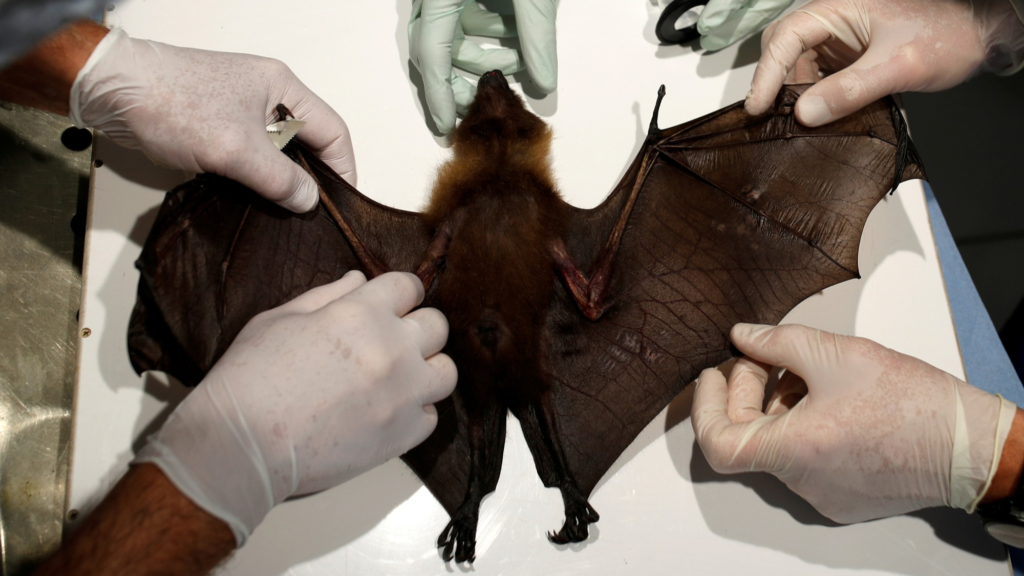
These studies will involve testing the virus’s ability to bind to human cell receptors and its potential for replication in mammalian cells. The results will provide valuable insights into whether the virus has the potential to cause disease in humans or if it remains confined to bat populations.
Additionally, experts call for a more integrated and systematic approach to viral surveillance. By establishing unified platforms that share data among scientists, public health authorities, and policymakers, the world can respond more effectively to emerging threats.
Dr. Durães-Carvalho emphasized that having real-time monitoring systems in place can help detect early warning signs and allow for timely interventions.
The COVID-19 pandemic has already demonstrated the devastating impact of zoonotic diseases, and preventing future pandemics requires a proactive approach. Investing in research, enhancing global collaboration, and implementing strict biosecurity measures in wildlife interactions are essential steps toward mitigating future risks.
While the newly discovered bat coronavirus in Brazil may not pose an immediate threat, its identification serves as a reminder of the vast diversity of coronaviruses circulating in nature.
Continued surveillance and research are crucial in understanding these viruses and preventing potential outbreaks. By staying vigilant and prepared, scientists and public health officials can work together to minimize the risks associated with emerging infectious diseases.