
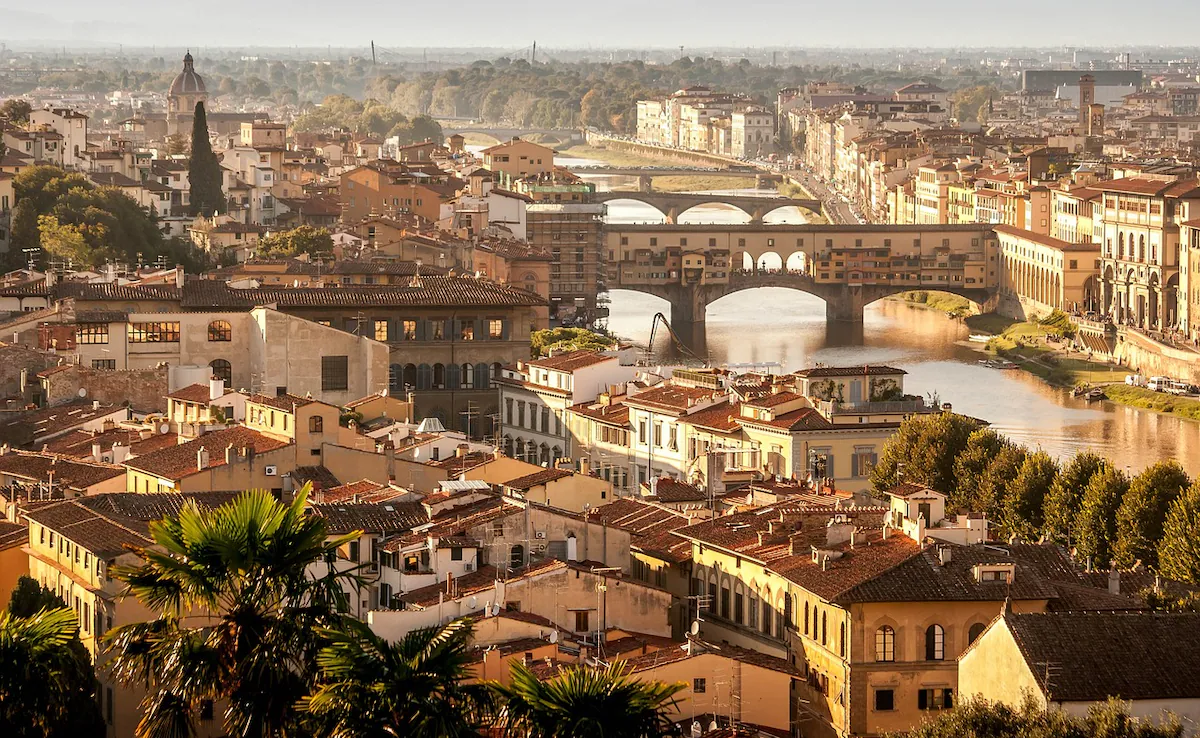
The Corridoio Vasariano, a 16th-century passageway designed by Giorgio Vasari for the ruling Medici family, has been meticulously restored and opened to the public.
The historic city of Florence, renowned for its art, architecture, and history, has unveiled a hidden gem after nearly five centuries of secrecy.
Connecting three of Florence’s most iconic landmarks—Palazzo Vecchio, Uffizi Galleries, and Palazzo Pitti—this corridor offers a fascinating glimpse into Renaissance history and architecture.
A Masterpiece of Renaissance Architecture
The Corridoio Vasariano was commissioned in 1565 by Cosimo I de’ Medici, Duke of Florence, to provide a secure and private route for his family. Vasari, the celebrated Renaissance painter and architect, completed the project in just five months. The corridor spans an impressive 2,460 feet, weaving its way through Florence’s historic center.
The passage was not merely functional but also an architectural marvel. Constructed with terracotta bricks and adorned with large porthole windows, it offered glimpses of the vibrant city below. The 106 steps within the corridor linked different parts of Florence’s cityscape, creating a hidden pathway that was both practical and visually captivating.
Read : Mushroom-Controlled Robot Developed by US University Engineers: Watch
Beyond its architectural brilliance, the corridor also served as a showcase for the Medici family’s cultural patronage. By the 18th century, it housed over 1,000 pieces of art, further cementing its status as a testament to the family’s profound influence on Renaissance art and culture.
Restoration and Reopening
For centuries, the Corridoio Vasariano remained an exclusive domain of the Medici family and their closest aides. In more recent years, private tours provided a rare glimpse into the corridor’s splendor, though accessibility was limited and costly. However, safety concerns led to its closure in 2016, sparking a massive restoration effort.
Read : Top Ten Famous Tourist Spots in Italy
The renovation, spanning eight years and costing approximately $11.5 million, was an ambitious project aimed at preserving the corridor’s historical integrity while ensuring its safety for public access. The restoration team meticulously repaired its terracotta flooring, reinforced its walls, and restored its iconic windows, allowing natural light to flood the passage.
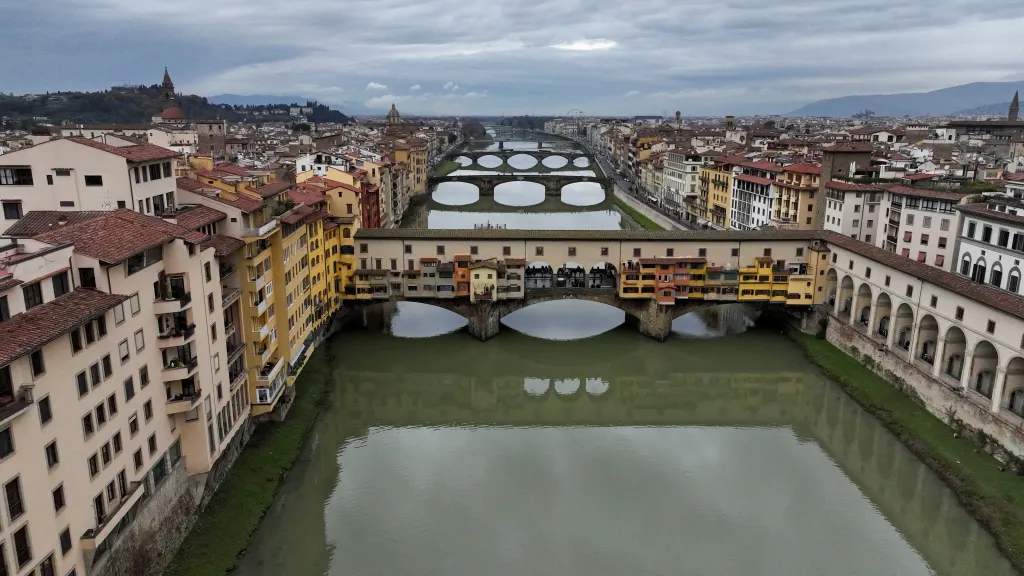
In 2024, the corridor finally reopened to the public, marking a significant moment in Florence’s cultural history. Tickets priced at 43 euros not only grant access to the Vasari Corridor but also include entry to the Uffizi Galleries, home to masterpieces by Michelangelo, Raphael, Caravaggio, and other luminaries of the Renaissance.
A Journey Through History
Visitors to the Corridoio Vasariano today embark on a journey through history, art, and architecture. The passage provides stunning views of Florence’s iconic landmarks, including the Ponte Vecchio, the medieval bridge that spans the Arno River.
As they traverse the corridor in small groups of 25, visitors experience a “parallel city within the city,” as described by Simone Verde, director of the Uffizi Galleries.
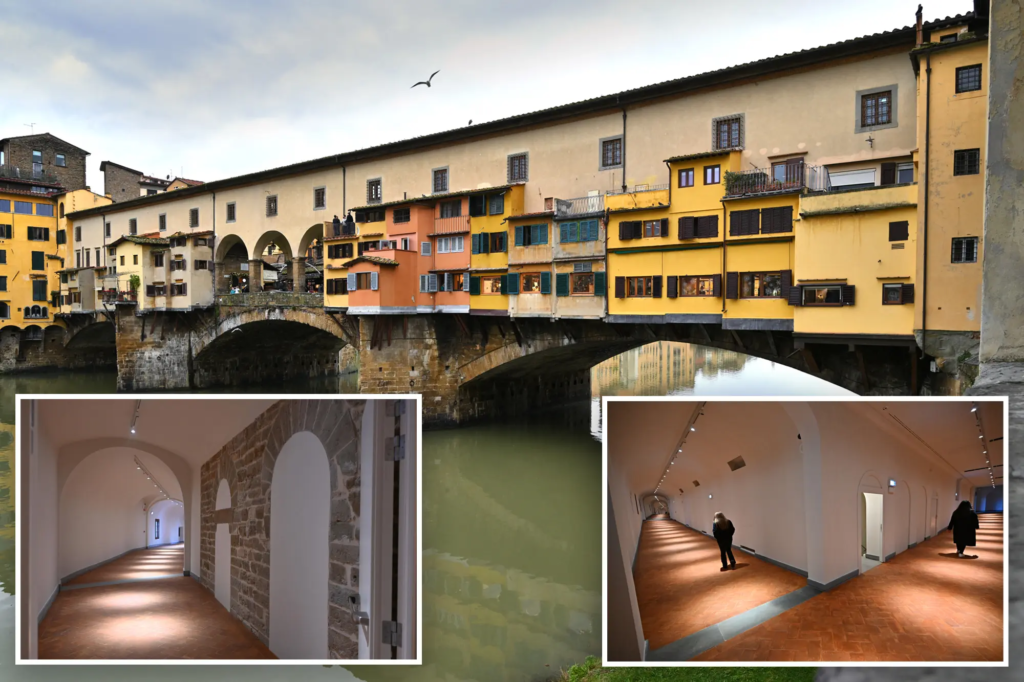
The reopening of the Vasari Corridor not only enhances Florence’s appeal as a global cultural destination but also underscores the enduring legacy of the Medici family. Their vision and patronage during the Renaissance laid the groundwork for much of the art, architecture, and intellectual achievements that define the era.
For history enthusiasts, art lovers, and architecture aficionados, the Vasari Corridor offers an unparalleled opportunity to step into the footsteps of Renaissance royalty and immerse themselves in the grandeur of a bygone era.