
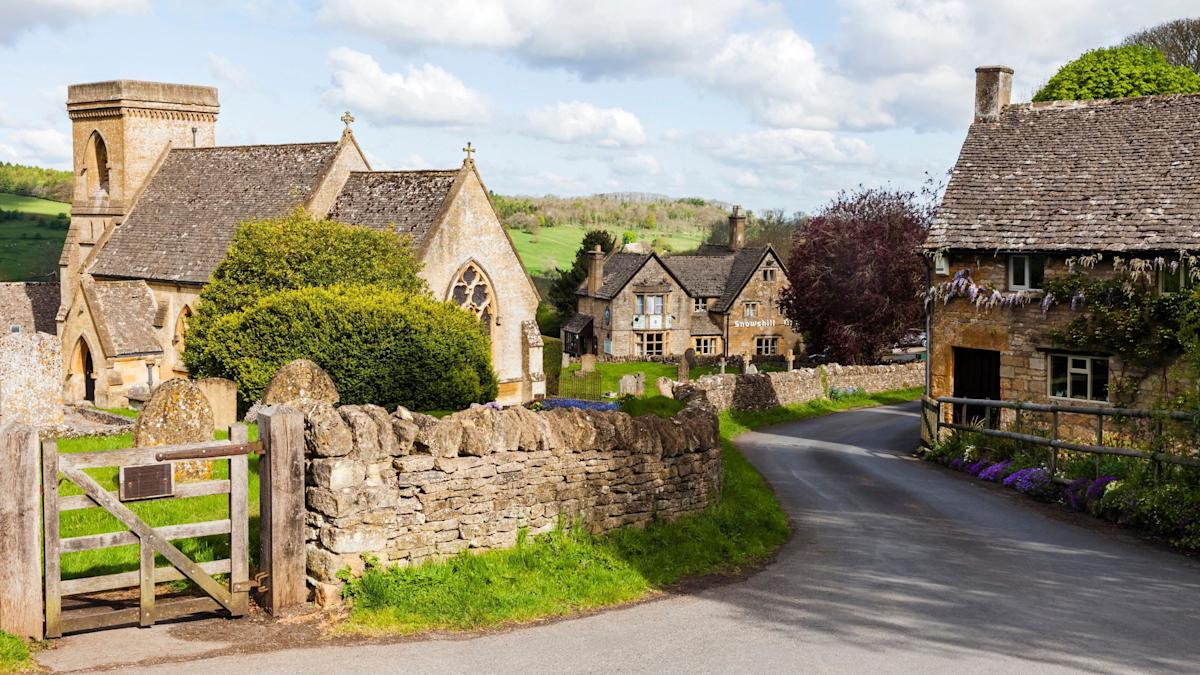
In the picturesque Cotswolds village of Snowshill, Gloucestershire—forever etched in popular culture as the filming location for the parents’ home in the 2001 film Bridget Jones’s Diary—residents now face new hurdles for even the simplest home improvements. As of October 1, 2025, Tewkesbury Borough Council has enforced an Article 4 Direction, mandating planning permission for alterations such as repainting building exteriors in new colors or erecting fences and gates.
This move, aimed at safeguarding the village’s historic charm, has sparked a divide among locals who cherish Snowshill’s honey-colored stone cottages and rolling hills but worry about the practical burdens of bureaucracy. The council’s decision follows months of consultation and comes amid growing concerns over tourism’s impact on this Area of Outstanding Natural Beauty. With applications now subject to standard fees, advertisements, and public consultations, what was once a straightforward garden tweak could take weeks or months to approve.
Details of the New Regulations
The Article 4 Direction, a planning tool that removes “permitted development” rights, took effect on October 1, 2025, after Tewkesbury Borough Council’s full meeting approval on July 29, 2025. This follows a six-week public consultation from January 27 to March 10, 2025, where residents voiced input on the proposed safeguards.
Under the rules, homeowners must submit formal planning applications for a range of modifications that previously required no oversight. Key changes include:
- Exterior Painting: Repainting buildings in a different color from the existing one now demands approval to ensure colors align with Snowshill’s traditional palette of muted tones that complement the local limestone architecture. Repainting in the same shade remains exempt.
- Fencing and Boundaries: Erecting, replacing, or altering gates, fences, or walls—whether for privacy, safety, or garden delineation—requires permission. This applies even to minor repairs if they involve structural changes.
- Window, Door, and Roofing Updates: Replacing exterior windows, doors, or roofing materials falls under scrutiny to prevent modern materials like uPVC from clashing with the village’s heritage aesthetic.
- Additions and Installations: Building porches, installing roof lights, or adding microwave antennae and solar panels necessitates review. Similarly, creating or replacing hard surfaces in gardens, such as patios or driveways, must be vetted.
Applications follow the council’s standard process: submission online or via forms, public advertisement for 21 days, neighbor consultations, and determination within eight weeks. Fees start at £258 for householder applications, with potential appeals adding further costs and delays. The council emphasizes that these measures target only external, visible changes that could impact the conservation area’s character, leaving internal renovations untouched.
Read : Scenic Wonders: A Journey Through England’s Top 10 Most Beautiful Villages
Tewkesbury Borough Council, under Liberal Democrat leadership, described the direction as a targeted response to Snowshill’s unique status. The village, with its 17th-century cottages clustered around a historic green and a iconic red telephone box, attracts thousands of visitors annually, drawn by its film fame and unspoiled vistas. Without these controls, the council argues, incremental changes could erode the features that define the Cotswolds’ appeal.
Why These Changes Were Introduced
Snowshill’s designation as part of the Snowshill Conservation Area, established in 1971, has long imposed some restrictions, but the Article 4 Direction escalates protections in response to evolving pressures. The Cotswolds, spanning six counties and covering 787 square miles, is England’s largest Area of Outstanding Natural Beauty, valued at £2.5 billion annually to the local economy through tourism and agriculture. Yet, rapid second-home ownership and short-term lets have strained rural communities like Snowshill, population around 200.
The council’s rationale centers on heritage preservation. Snowshill’s built environment—characterized by vernacular architecture, wildflower meadows, and winding lanes—has been highlighted in national reports on rural planning. A 2024 government review on conservation areas noted that without proactive measures, 30% of such sites risk losing defining features within a decade due to unsympathetic developments. In Snowshill, past examples include unauthorized satellite dishes and brightly painted fascias that locals say detracted from the idyll.
Read : Top Ten Enchanting Villages of Japan You Must Visit Once in Your Life
Councillor Sarah Hands, the council’s lead member for planning and place-making, underscored the necessity during the July meeting. “Snowshill is one of the jewels of our borough, and these powers will help to protect its heritage while still allowing thoughtful and appropriate development,” she stated. “We’re grateful to everyone who took part in the consultation and helped shape this decision.” The policy aligns with national planning policy framework updates from 2023, which encourage local authorities to use Article 4 Directions sparingly but effectively in sensitive areas.
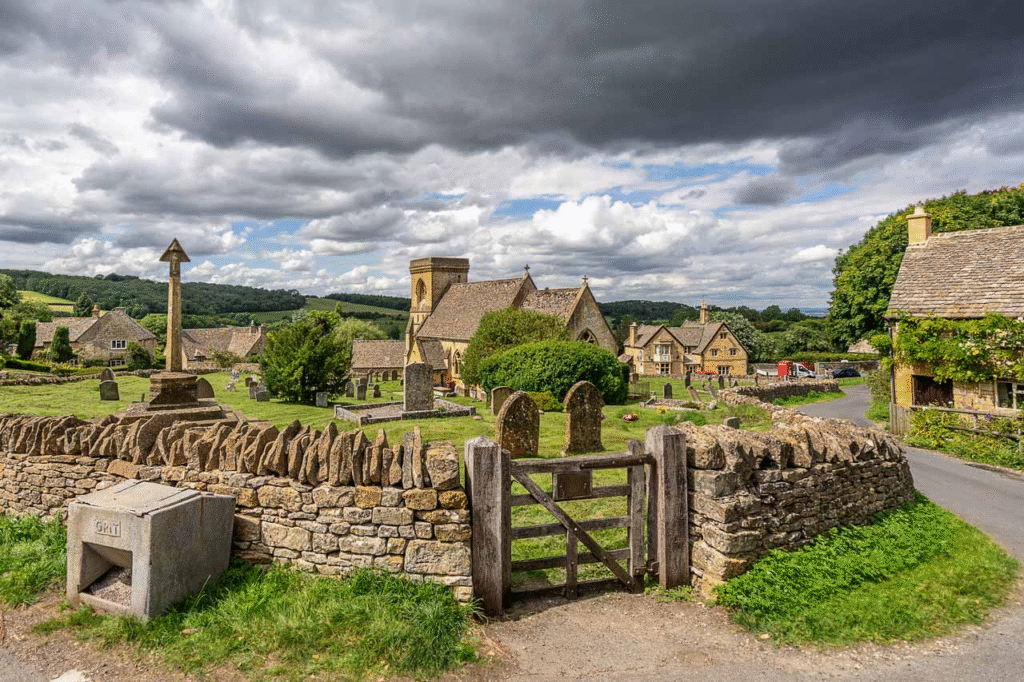
Implementation comes at a pivotal time. Tourism to the Cotswolds surged 15% post-pandemic, with Snowshill’s Bridget Jones connection boosting visitor numbers by 20% in 2024 alone, per council estimates. This influx has led to complaints about traffic, litter, and pressure on amenities, prompting calls for balanced growth. The rules do not halt all development—extensions and renewable energy installations remain viable with approval—but they prioritize designs that “enhance or better reveal” the area’s character, as per planning guidelines.
Critics within planning circles note that while effective, such directions can deter investment in rural housing stock, already aging with 40% of Cotswolds properties pre-1919. Tewkesbury Council counters that pre-application advice services will streamline processes, offering free initial consultations to guide residents.
Voices from the Village: Divided Opinions
Reactions in Snowshill remain polarized, reflecting broader tensions between preservation and practicality in England’s heritage hotspots. Long-time residents often back the measures as a bulwark against commercialization, while newer arrivals decry the red tape.
Rose, a resident in her 40s who moved to the village four years ago, expressed frustration over the perceived overreach. “It is very prohibitive in terms of what you can do to your home,” she said. “I did write an objection, but it has gone through anyway. It feels too controlling.” Her concerns echo those of Kim, a 40-year villager, who highlighted enforcement challenges and costs. “If you’ve got young children and something happens to your fence, why do you have to go through planning just to keep everyone safe? It costs more for an Article 4 application than a standard one.”
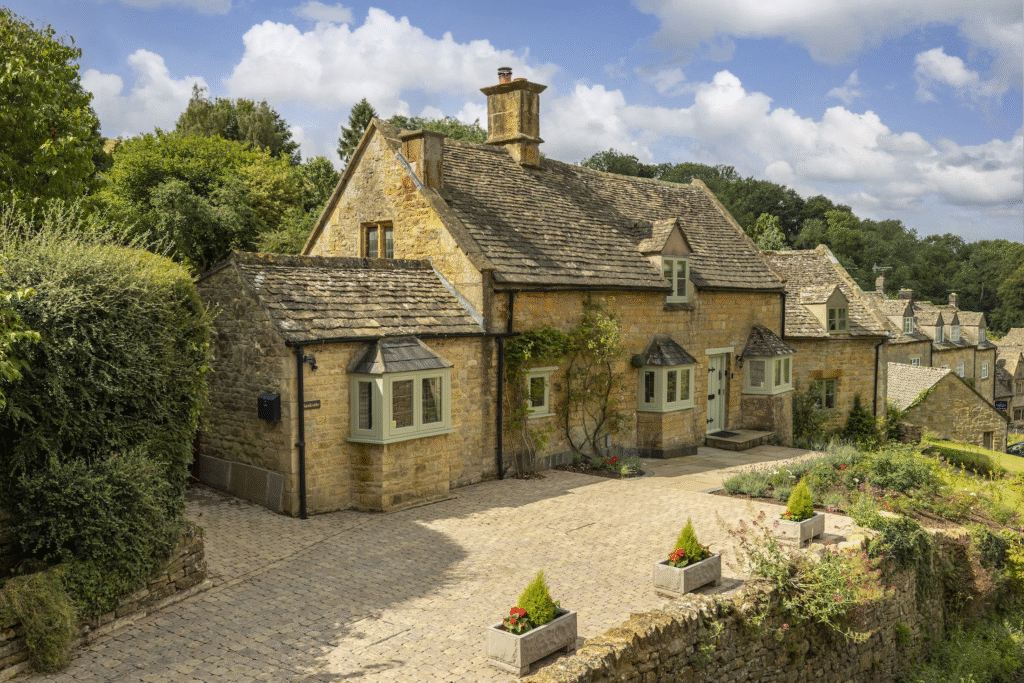
On the supportive side, Terry Rolls, 71, and his wife Pauline, also 71 and residents for four years, emphasized communal benefits. “We don’t want the village wrecked with plastic windows,” Mr. Rolls said. “What we want is as little damage as possible. People doing what they want to their home is not necessarily a good thing—it could end up like Disneyland.” Paul Brereton, 66, whose family has lived there for eight years, agreed, wishing the rules had arrived sooner. “It’s a very good idea, and we wished it had come five years ago,” he noted, though he lamented pausing plans to repaint his windows gray due to fees.
Elderly couple Sheila Wilks, 85, and Peter Wilks, 84, offered a poignant perspective, lamenting that protections arrived too late amid a tourism boom. “They have come too late. They have ruined the village,” Mrs. Wilks said. Her husband pointed to at least 12 Airbnbs and minibuses ferrying day-trippers, disrupting the quiet lanes. “Most of the houses here are Airbnbs. It is disgusting.”
These voices capture Snowshill’s dual identity: a serene retreat for 200 souls and a magnet for 50,000 annual visitors. A council survey during consultation showed 55% support, with objections centering on minor works like fence repairs comprising 30% of feedback. As applications roll in, the true test will be balancing enforcement with empathy—ensuring Snowshill remains a living village, not a preserved museum.
The Article 4 Direction positions Snowshill as a model for other Cotswolds hamlets facing similar strains, from Bourton-on-the-Water to Stow-on-the-Wold. For now, residents navigate the new landscape one application at a time, guarding the very charm that drew them—and Bridget Jones—to its doorsteps.
q218f1