
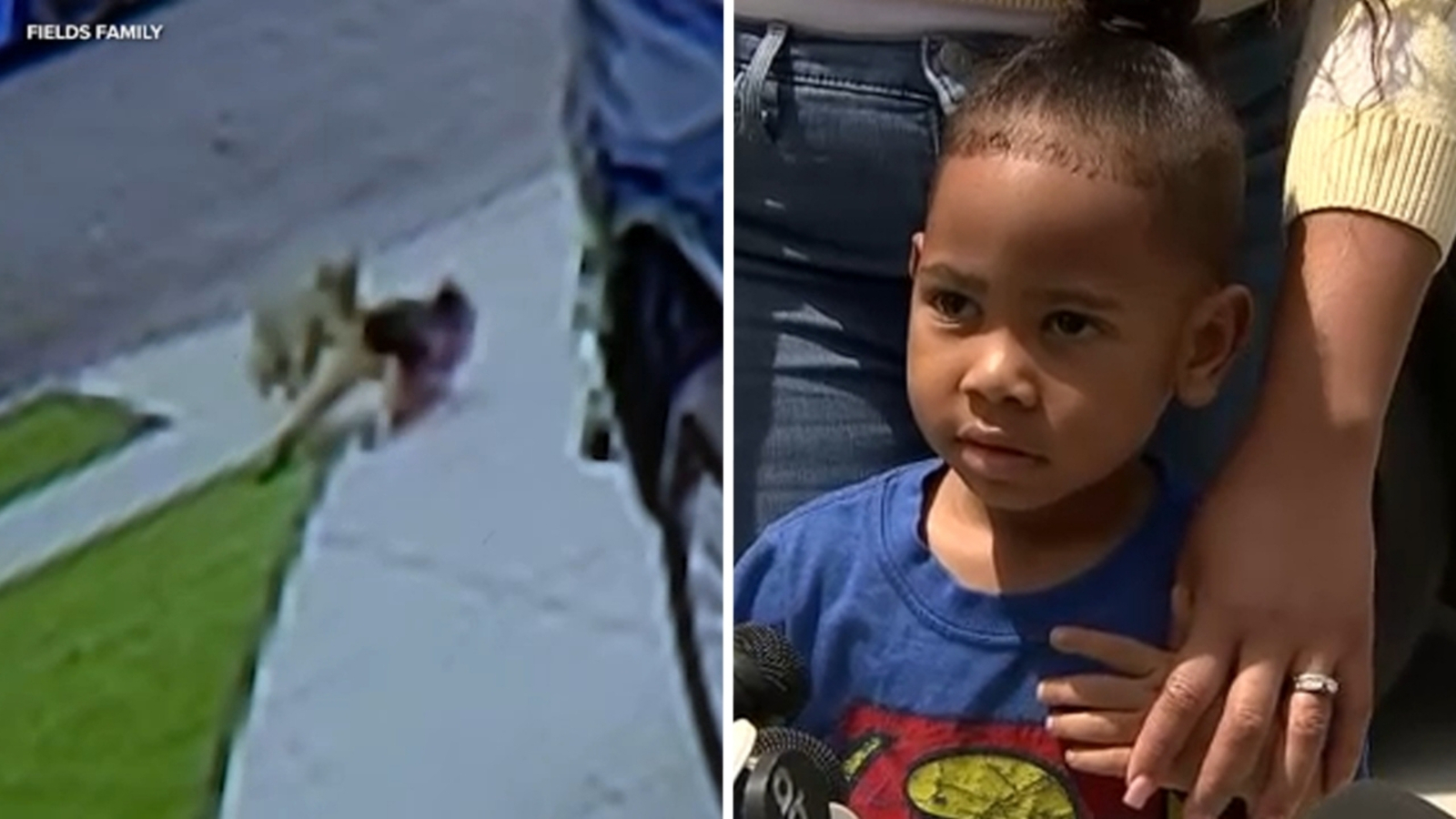
A quiet residential morning in Southern California turned into a terrifying ordeal when a 4-year-old boy was attacked by a coyote in his grandparents’ driveway. The incident, which took place just before 9 a.m., shocked the local community and quickly gained attention after surveillance footage revealed the intensity of the attack. The young boy, identified as Solomon, survived but suffered multiple injuries during the encounter.
Authorities later confirmed that the coyote responsible had been captured and euthanized after being linked to several other incidents in the area. The case has raised serious concerns about wildlife behavior in suburban neighborhoods and the increasing frequency of dangerous encounters between humans and predators.
A Terrifying Morning Attack Caught on Camera
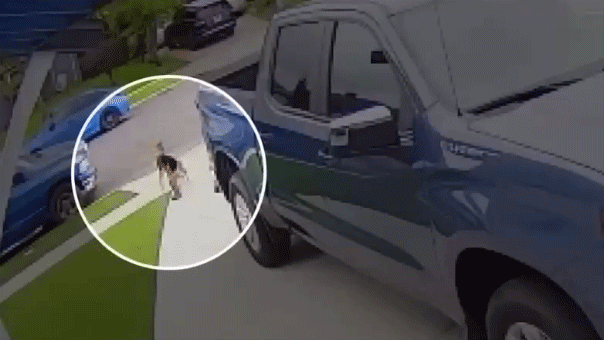
The attack happened while Solomon’s mother, Sarina Donohoo, was unloading groceries from her car outside the home. Within moments, a coyote approached the child and lunged at him. Surveillance footage captured the frightening scene as the animal bit the boy and attempted to drag him away. The child’s screams alerted his mother, who turned and saw the coyote on top of her son. She immediately rushed in and managed to pull him away, preventing what could have been a far more serious outcome.
Solomon later described the incident simply, saying the animal bit him and tried to drag him. He suffered seven puncture wounds across his legs and torso. Although the injuries were serious, the quick response from his mother likely prevented more severe harm. The video of the incident has left many viewers shaken, showing how quickly such an attack can unfold in what is normally considered a safe, familiar environment.
Family members described the experience as deeply traumatic. The boy’s grandmother expressed shock that a wild animal would enter a residential driveway and target a small child in broad daylight. The incident highlights the unpredictable nature of wildlife, especially in areas where human activity overlaps with natural habitats.
Investigation Reveals a Possible Repeat Offender
After the attack, wildlife authorities began investigating to identify the coyote responsible. Early findings suggested that the animal may not have acted alone in this case, but rather had a history of aggressive behavior. Officials indicated that the same coyote could be linked to at least two other attacks reported in late March. In addition, DNA testing reportedly connected the animal to a separate incident in February involving another child near an elementary school.
This pattern of repeated aggression raised serious concerns among officials. Such behavior is considered highly unusual and dangerous, as coyotes typically avoid human contact. When an animal begins to repeatedly approach or attack humans, it is often a sign that it has become accustomed to people and no longer sees them as a threat.
California 4-year-old boy survives attack by coyote that bit and tried to drag him away pic.twitter.com/S4yO6fW0wA
— B.C. Begley (@BC_News1) April 4, 2026
Authorities determined that the coyote posed a continued risk to the community. Once located, it was captured and euthanized following standard wildlife management procedures. Officials emphasized that animals involved in multiple attacks on humans are not usually relocated, as they may continue to exhibit the same dangerous behavior in a different area.
The case has also led to increased monitoring in the neighborhood. Authorities are working to determine whether other aggressive animals may be present and have urged residents to report any unusual sightings or encounters. Identifying and addressing such threats early is considered essential to preventing further incidents.
Community Safety Concerns and Preventive Measures
In the wake of the attack, residents in the area have become more cautious and alert. The idea that a wild predator could attack a child in a driveway has deeply unsettled the community. Many families are now taking extra precautions, especially when children are outside. One nearby daycare operator shared that she now carries an air horn and a golf club while supervising children outdoors. These measures reflect the level of concern among residents following the incident. While such precautions may seem extreme, they demonstrate how seriously the community is responding to the threat.
Read : Startling! Coyote Bites 6-Year-Old Enoch Palomar While Watching Sister’s Softball Game
Authorities have provided several recommendations to help reduce the risk of future encounters. Parents and caregivers are advised to closely supervise young children, particularly during early morning and evening hours when wildlife is more active. Securing trash bins and removing food sources is also important, as accessible food can attract animals into residential areas.
Making loud noises, such as using air horns, is another effective way to deter wildlife. Officials stress that it is important to maintain a natural fear of humans among wild animals. When animals become too comfortable around people, the risk of aggressive behavior increases significantly. Residents are also encouraged to report any sightings of coyotes or other potentially dangerous wildlife. Quick reporting allows authorities to track animal behavior and respond before situations escalate. Community awareness and cooperation play a crucial role in maintaining safety.
For Solomon and his family, recovery remains the main focus. The child is currently undergoing a series of rabies treatments as a precaution following the attack. While he is expected to recover physically, the emotional impact of the experience is significant. His family has expressed relief that the outcome was not worse, while also acknowledging the lasting effects such an incident can have.
The broader community continues to process the event, with many residents adjusting their daily routines and remaining vigilant. The incident serves as a powerful reminder that wildlife encounters can happen even in residential settings. As urban areas continue to expand into natural habitats, the likelihood of such interactions may increase, making awareness and preparedness more important than ever.
The euthanization of the coyote has brought closure to this specific case, but it also raises ongoing concerns about how to manage wildlife in populated areas. Balancing public safety with environmental considerations remains a complex challenge. This incident stands as a clear example of how quickly a routine moment can turn into a dangerous situation, reinforcing the need for caution and proactive safety measures in communities where humans and wildlife coexist.