
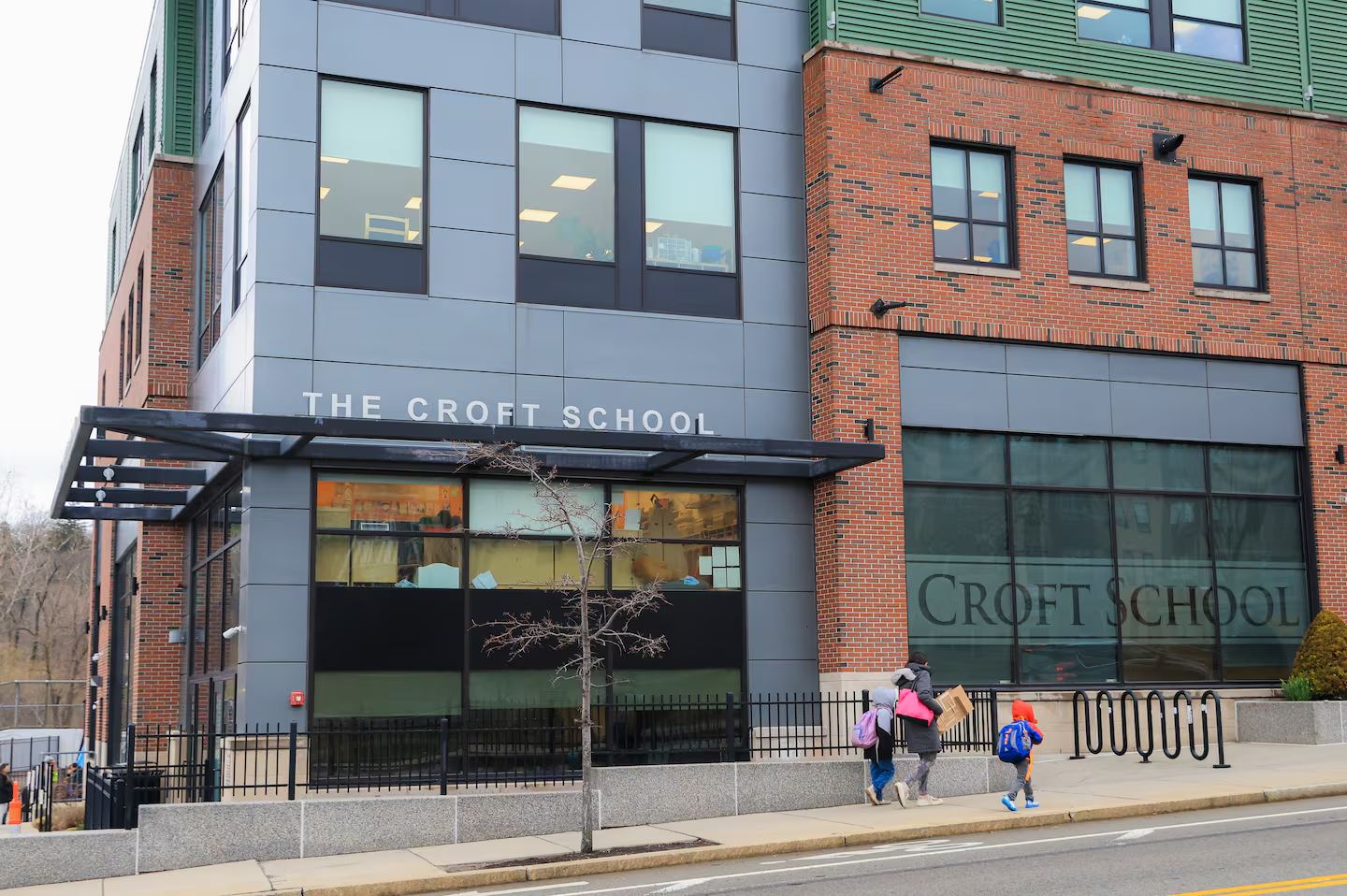
The unfolding financial scandal at Croft School has shaken the confidence of families who once trusted the institution not only with their children’s education but also with their financial investments. A newly filed lawsuit by parent Paul Crockett paints a troubling picture of alleged deception, hidden debt, and financial mismanagement at the highest level of the school’s leadership.
The complaint accuses founder Scott Given of orchestrating what has been described as a “classic Ponzi scheme,” using parent-funded bonds to sustain an increasingly unstable financial structure. As details continue to emerge, the case highlights the risks associated with informal investment arrangements within private educational institutions and raises broader questions about transparency, governance, and accountability.
Allegations of Deception and Hidden Financial Practices
According to the lawsuit filed in Massachusetts, Crockett claims he was misled into investing a total of $160,000 in so-called “Croft Bonds,” financial instruments that were marketed to parents as low-risk opportunities to support the school’s expansion while generating attractive returns. The bonds allegedly promised a 12.5 percent annual return, a figure that would typically signal a higher-risk investment, yet they were presented as secure and stable.
Crockett asserts that these assurances were grounded in false representations, including the existence of a $4 million financial support fund that was described as collateral but allegedly did not exist. Central to the complaint is the accusation that Scott Given maintained two separate sets of financial records. This dual bookkeeping system, the lawsuit claims, allowed him to conceal more than $13 million in unauthorized debt while presenting a far healthier financial picture to parents and stakeholders.
Such practices, if proven, suggest a deliberate effort to obscure the school’s true financial condition and continue attracting funds from unsuspecting investors. The lawsuit further alleges that the structure of the bond program mirrored the mechanics of a Ponzi scheme. New investments, particularly those made in 2025, were purportedly used to pay interest owed to earlier investors from 2024. This cycle, designed to maintain the illusion of a functioning and profitable investment program, delayed the discovery of the underlying financial instability.
Read : Mother Jailed for Killing 4-Year-Old Diabetic Daughter by Feeding Her Mountain Dew in US
Crockett’s legal filing emphasizes that at no point were parents informed of the school’s mounting high-interest, short-term debt, which was allegedly pushing the institution toward insolvency. These allegations point to a significant breach of trust between the school’s leadership and its community. Parents who believed they were supporting their children’s educational environment while earning modest returns now find themselves entangled in a complex financial dispute with uncertain outcomes.
Financial Collapse and Institutional Fallout
The impact of the alleged scheme extends beyond individual investors to the broader operational stability of the school itself. Croft School, which charges annual tuition exceeding $30,000, now faces a severe financial crisis that threatens its continued existence. According to statements from the school’s board, the institution is effectively on the brink of insolvency, requiring an immediate infusion of approximately $5 million to remain operational through the academic year.
The financial strain became more evident when the school’s primary lender seized approximately $1.5 million from its operating accounts after discovering irregularities tied to the alleged fraud. This action significantly reduced the school’s available funds, leaving it with a cash balance of under $500,000, which is reportedly being reserved strictly for payroll obligations in the near term.
Read : Brett Gardner Sues Arenas Del Mar Beachfront & Rainforest Resort After Son’s Death
The inability to access sufficient liquidity has also meant that the school cannot guarantee refunds for prepaid tuition, adding to the concerns of families already affected by the controversy. Compounding the crisis are revelations that the founder admitted to maintaining two sets of books and fabricating financial documents, including a $500,000 letter of credit presented to a commercial bank. Such admissions, disclosed by the board, have intensified scrutiny and accelerated efforts to stabilize the institution.
In response, the board has engaged a crisis management firm and appointed a chief restructuring officer with experience in navigating organizations through financial distress and potential bankruptcy. Efforts are currently underway to identify a financial partner who could provide the necessary capital to sustain operations. At the same time, a parent advisory committee has been established to facilitate communication and assist in exploring solutions.
Despite these measures, the board has acknowledged that the school’s future remains uncertain, reflecting the depth of the financial challenges it faces. The situation has also triggered additional legal action, including a separate lawsuit alleging that a bank document was forged to secure a property lease. These overlapping legal issues further complicate the school’s recovery efforts and may have long-term implications for its reputation and viability.
Legal Implications and Broader Lessons for Private Institutions
The lawsuit brought by Crockett includes claims of fraud, breach of contract, and securities violations, all of which carry significant legal consequences if substantiated. Beyond seeking financial damages, Crockett is requesting that the court void existing contracts related to his investment and mandate the return of his funds. The outcome of this case could set an important precedent for how similar financial arrangements within private institutions are evaluated under the law.
Read : Jordan Miller, Sole Survivor of Fiery Piedmont Cybertruck Crash Sues Tesla
One of the key legal questions likely to arise is whether the Croft Bonds constituted regulated securities and, if so, whether they were marketed and managed in compliance with applicable regulations. The characterization of the bonds as low-risk investments backed by collateral that allegedly did not exist may prove central to determining liability. Additionally, the alleged use of new investor funds to pay earlier obligations aligns closely with established definitions of fraudulent investment schemes, which courts have historically treated with severity.

From a governance perspective, the case underscores the importance of transparency and oversight within private schools, particularly those that engage in financial transactions with their own communities. Parents often place a high degree of trust in educational institutions, and this trust can extend beyond academics into financial matters. The Croft School situation illustrates how that trust can be exploited in the absence of robust checks and balances.
The broader implications extend to other private institutions that may consider alternative financing methods involving their stakeholders. While community-based funding can be a valuable tool for growth and development, it also carries inherent risks if not properly structured and disclosed. Clear communication, independent auditing, and adherence to financial regulations are essential to maintaining credibility and protecting participants.
For families affected by the situation, the immediate concern remains the continuity of their children’s education and the potential loss of invested funds. The legal process may take considerable time, and recovery of losses is not guaranteed, particularly if the institution’s financial condition deteriorates further. In the meantime, the case serves as a cautionary example of how financial innovation, when combined with insufficient oversight, can lead to significant consequences for both individuals and organizations.
As the legal proceedings move forward and the school attempts to stabilize its operations, the full scope of the alleged misconduct and its impact will become clearer. The Croft School case stands as a complex intersection of education, finance, and law, with outcomes that may influence how similar institutions operate in the future.