
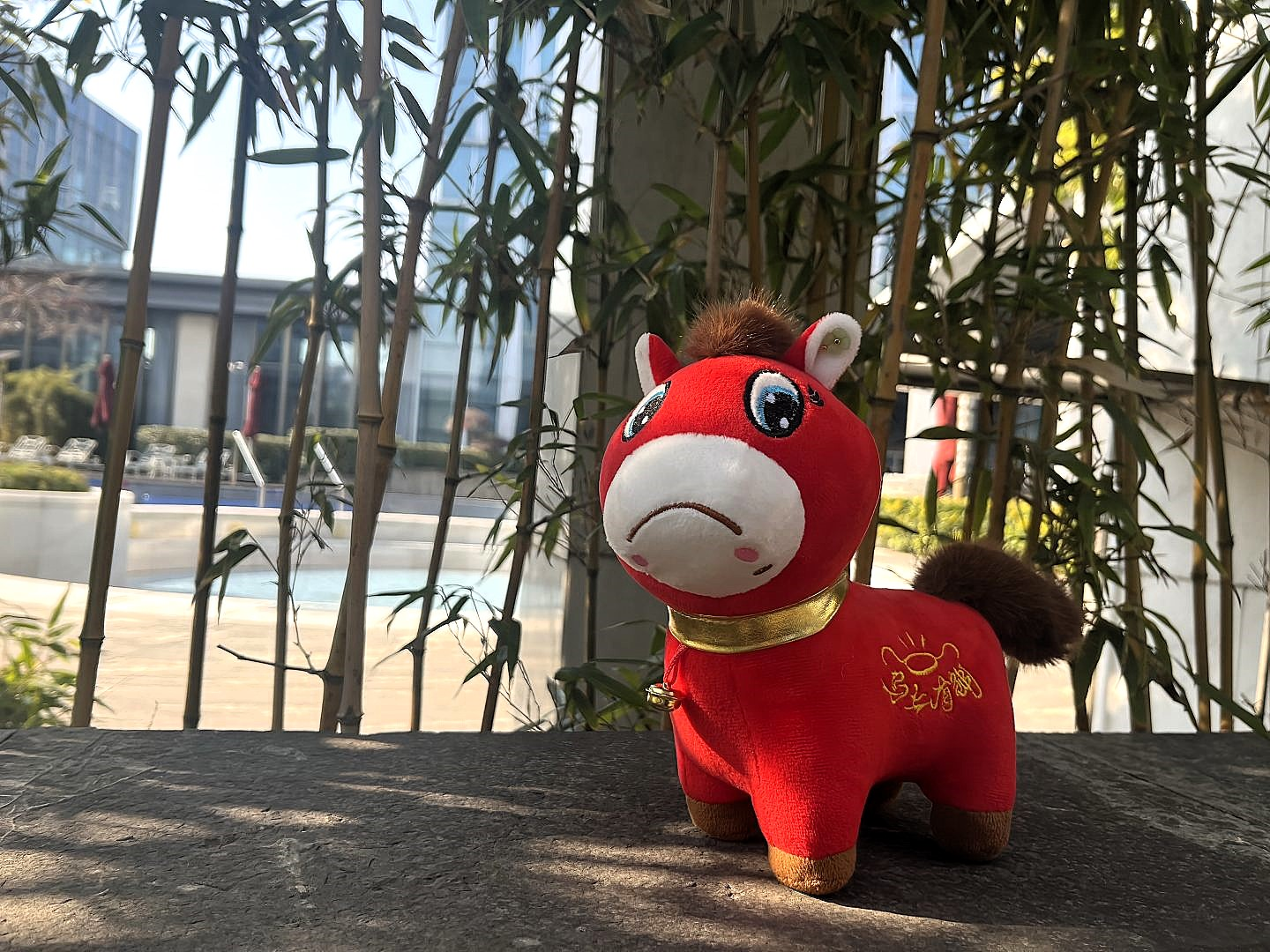
As China prepares to usher in the Year of the Horse, a zodiac symbol traditionally associated with vitality, perseverance and tireless effort, a very different equine figure has captured the public imagination. Instead of embodying optimism or drive, a small red stuffed horse with a downturned, almost mournful expression has become a viral sensation across Chinese social media. The toy was never intended to look sorrowful.
A simple manufacturing error resulted in its smile being stitched upside down, transforming a cheerful grin into what appears to be a face marked by exhaustion and quiet despair. Rather than rejecting the flawed product, consumers embraced it enthusiastically, turning the “crying horse” into a cultural symbol that reflects contemporary anxieties around work, pressure and emotional fatigue. Its runaway popularity highlights how even a minor production mistake can resonate deeply when it aligns with broader social moods.
From Factory Error to Viral Phenomenon
The crying horse toy was produced by Happy Sister, a company based in Yiwu, a major manufacturing and wholesale hub in western China known for its vast network of small factories and traders. The toy was designed as a festive item for the Lunar New Year, meant to reflect the cheerful spirit of the Year of the Horse. According to the company’s owner, Zhang Huoqing, the horse was originally intended to wear a broad, friendly smile. During production, however, the snout was sewn on upside down, giving the toy an expression that many interpreted as sadness or even tears, as the nostrils resembled tear tracks running down its face.
Under normal circumstances, such a mistake might have resulted in the product being discarded or quietly corrected. Instead, once the toy reached the market, images of the horse began circulating online. Chinese social media users quickly noticed its unusual expression and started sharing photos and jokes about it. The toy’s appearance struck a chord, and posts featuring the horse rapidly gained traction on platforms where visual humour and emotional commentary often intersect.
Zhang herself acknowledged that the reaction took her by surprise. Speaking to Reuters, she explained that jokes began circulating almost immediately, with users contrasting the crying horse and a correctly stitched smiling version. One popular comparison suggested that the sad horse represented how people look while at work, while the smiling one showed how they appear after leaving the office. This simple yet relatable framing helped propel the toy into viral territory.
Read : 1-Year-Old Dies After Head Gets Stuck in Toy Slide at In-Home Daycare
By mid-January, demand had surged dramatically. Zhang reported receiving daily orders exceeding 15,000 units, far beyond initial expectations. To keep up, the factory opened ten additional production lines dedicated to the crying horse alone. What began as a defect quickly became the product’s defining feature, turning a potential quality-control issue into a commercial success story.
Read : Matryoshka Dolls: Unveiling the Charming Symbol of Russian Culture
The phenomenon also fits within a broader trend in Chinese consumer culture known as “ugly-cute” aesthetics. Over the past few years, toys and collectibles that deliberately blend awkwardness, odd proportions or unsettling expressions with charm have gained popularity. Characters such as Labubu, the toothy monster sold by Pop Mart, have demonstrated that consumers are increasingly drawn to items that feel emotionally expressive rather than conventionally cute. The crying horse slots neatly into this trend, offering an expression that feels raw and recognisable rather than polished or idealised.
A Symbol of Workplace Fatigue and Emotional Release
The emotional resonance of the crying horse cannot be separated from the realities of modern work culture in China. For years, many white-collar employees have endured long working hours, intense competition and high performance expectations. One of the most notorious examples is the so-called 996 work schedule, which requires employees to work from 9am to 9pm, six days a week.
Although the practice was officially outlawed in 2021, long overtime hours remain common in many industries, particularly in technology, finance and e-commerce. The persistence of these conditions has contributed to widespread discussions about burnout, stress and mental health. In this context, the crying horse has been interpreted not merely as a toy but as a visual metaphor for collective exhaustion. Online comments reflect this sentiment clearly.
One buyer, posting under the name Tuan Tuan Mami and quoted by the South China Morning Post, wrote that the toy looked “so sad and pitiful, just like the way I feel at work.” Such remarks reveal how consumers are projecting their own emotional states onto the object. Marketing experts note that memes and consumer products often function as socially acceptable outlets for discussing sensitive topics like work pressure.
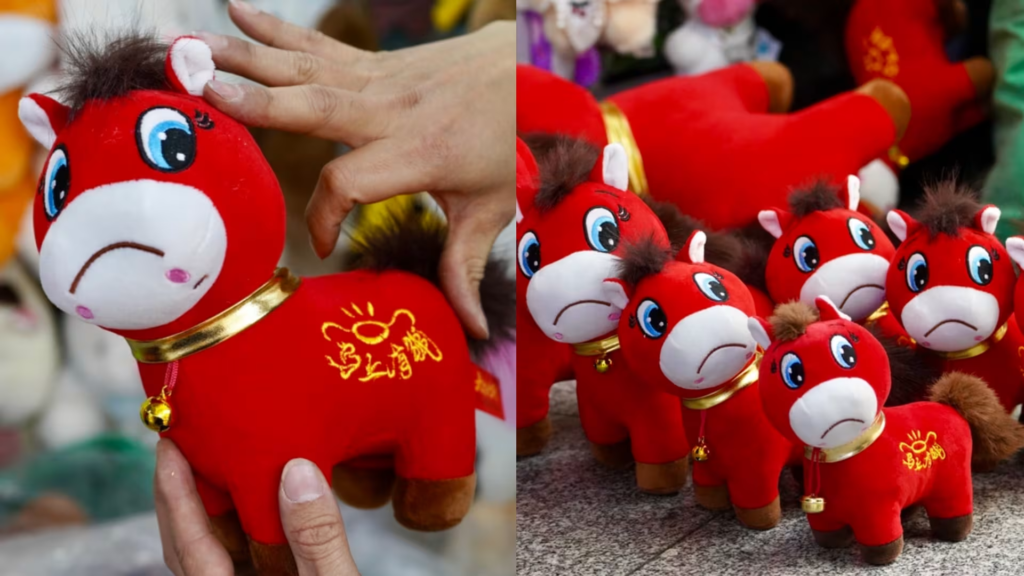
Jacob Cooke, chief executive of WPIC Marketing + Technologies, told Business Insider that platforms such as Xiaohongshu blur the boundaries between consumer culture and emotional expression. On these platforms, users share not only products but also feelings, using humour and irony to articulate stress that might otherwise be difficult to voice openly. The crying horse’s success also reflects a subtle shift in how consumers relate to symbols of celebration.
The Lunar New Year is traditionally associated with joy, renewal and optimism. Yet the popularity of a sorrowful mascot suggests a more complex emotional landscape. Rather than rejecting the festive season, consumers appear to be reshaping it to accommodate honesty about their lived experiences. The crying horse allows people to acknowledge fatigue without abandoning humour or community.
Importantly, the toy’s appeal cuts across demographics. While white-collar workers have been particularly vocal in identifying with its expression, the toy’s popularity extends beyond a single group. Students facing academic pressure, freelancers navigating uncertain incomes and even older consumers who recognise the strain of modern life have reportedly found the toy relatable. Its simplicity makes it a blank canvas for personal interpretation, allowing each buyer to see their own story reflected in its stitched-on grimace.
Commercial Impact and the Business of Imperfection
Beyond its cultural symbolism, the crying horse has become a significant commercial success. Wholesale orders have been placed from regions as diverse as South Africa, east Asia and the Middle East, demonstrating that the toy’s appeal is not limited to China. Its image is expected to appear on a wider range of merchandise over the coming year, potentially including keychains, apparel and home décor items.
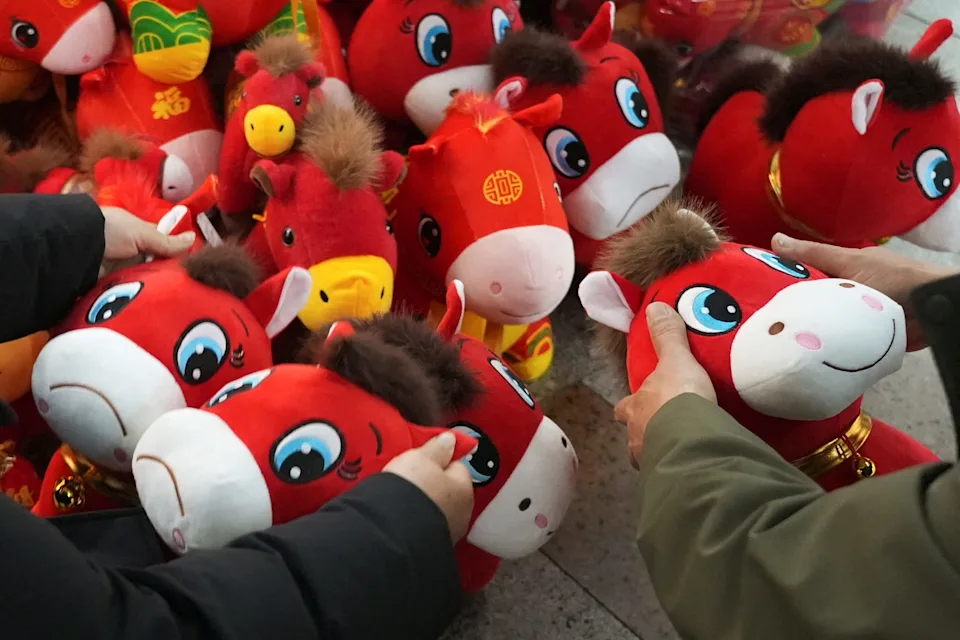
From a business perspective, the story highlights the growing value of authenticity and imperfection in consumer markets. Traditional manufacturing emphasises consistency and flawlessness, yet the crying horse shows that deviations from the norm can sometimes create stronger emotional connections. In an age of mass production, a visible “mistake” can make a product feel more human and distinctive.
Zhang Huoqing’s response to the situation further reinforced the positive narrative surrounding the toy. She admitted that the company never discovered who was responsible for stitching the horse’s snout upside down. Rather than assigning blame, she decided to give everyone involved a bonus. This gesture was widely reported and added to the story’s appeal, presenting the company as compassionate and pragmatic rather than punitive. In doing so, Zhang aligned her business practices with the very themes of empathy and shared struggle that consumers were projecting onto the toy.
The crying horse’s journey also underscores the power of social media in shaping market outcomes. Without viral sharing, the toy would likely have remained a minor curiosity or been quietly corrected. Instead, online platforms transformed it into a symbol and a product with international reach. This dynamic reflects a broader shift in how trends emerge, where consumer interpretation can matter as much as original intent.
As the Year of the Horse begins, the crying horse stands as an unconventional emblem of the moment. It does not reject the values traditionally associated with the zodiac sign, such as hard work and perseverance, but reframes them through the lens of exhaustion and resilience. In doing so, it captures a more nuanced reality, one in which effort is acknowledged alongside its emotional cost. The toy’s success suggests that in today’s cultural and commercial landscape, honesty, even when expressed through a small stitched frown, can be far more powerful than a perfect smile.
**mounja boost official**
MounjaBoost is a next-generation, plant-based supplement created to support metabolic activity, encourage natural fat utilization, and elevate daily energywithout extreme dieting or exhausting workout routines.