
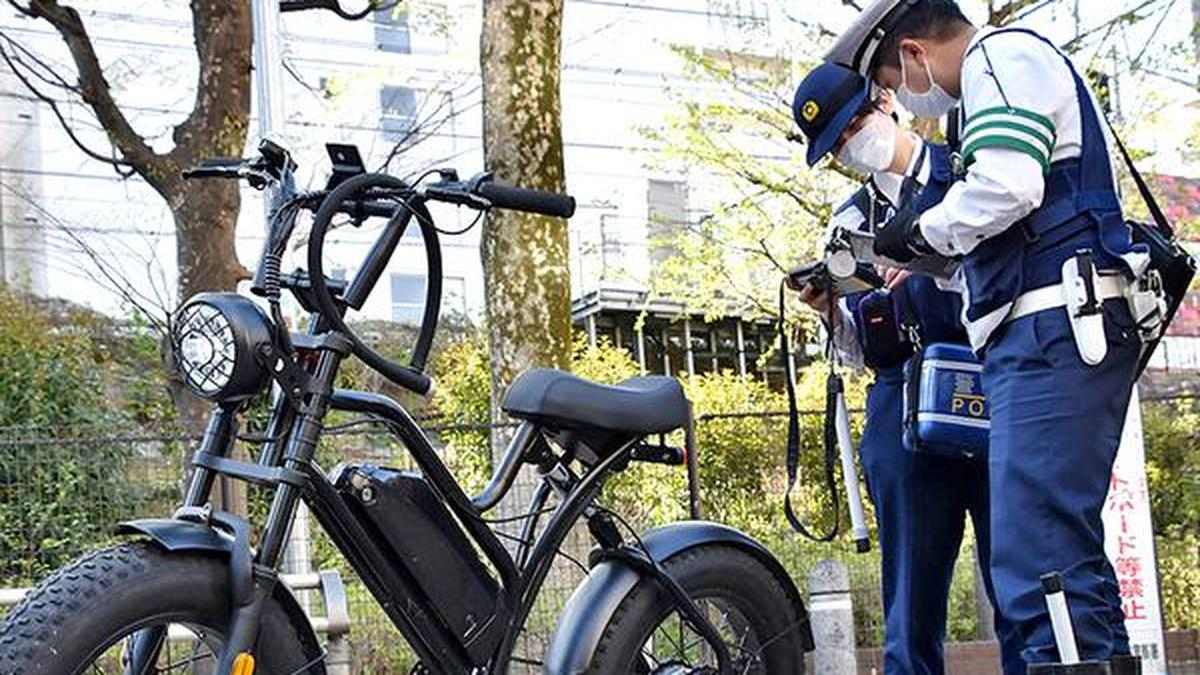
Japan has introduced new strict regulations for cyclists in an effort to enhance road safety. The revised laws, which took effect recently, impose heavy penalties on those who use mobile phones or ride under the influence while cycling.
With these changes, Japan hopes to curb the growing number of bicycle-related accidents, especially as more people opt for cycling over public transport.
Authorities are particularly concerned about the rise in accidents caused by distracted or impaired cyclists, who pose risks to themselves and others.
The Rise in Bicycle Accidents and Distracted Riding
In recent years, Japan has seen a concerning rise in bicycle-related accidents. This surge began in 2021, when a significant number of people chose cycling over public transport to reduce potential exposure to COVID-19. As cycling became more popular, accidents involving cyclists also increased.
Statistics from 2023 show that over 72,000 bicycle accidents were reported across Japan, making up more than 20% of the country’s total traffic accidents. The main factors contributing to this rise include distracted riding, often due to mobile phone usage, and cycling under the influence of alcohol.
Read : Japan’s Iconic Mount Fuji Snowless in October for the First Time
Data shows that accidents caused by cyclists using phones have been a consistent issue. From 2018 to 2022, there were 454 accidents directly attributed to phone usage while riding, marking a 50% increase compared to the previous five-year period. This trend is particularly alarming to public safety officials, who see it as an urgent problem needing stringent regulation.
In the first half of 2024, statistics recorded one fatality and 17 serious injuries from accidents involving cyclists using their phones—the highest count since the police began tracking such incidents in 2007.
Read : Japan Spent Record $62 Billion to Support the Yen Last Month
In response, Japan introduced a law that penalizes cyclists caught using their phones while riding. Those found in violation of this rule can face up to six months in jail or a fine of 100,000 yen ($655). This regulation aligns with Japan’s broader initiative to make its roads safer and reduce the number of accidents caused by distracted cyclists.
Alcohol and Cycling: A New Crackdown
The revised road traffic laws in Japan don’t only target phone usage; they also include stricter penalties for cyclists riding under the influence of alcohol. This comes as part of a more comprehensive approach to tackling dangerous cycling behavior.
Those caught cycling while intoxicated can face up to three years in prison or a hefty fine of 500,000 yen ($3,278). Japan’s focus on cycling safety reflects its commitment to ensuring the well-being of both cyclists and pedestrians, as intoxicated riders often pose a considerable risk to themselves and others on the road.
Shortly after the new rules took effect, Osaka authorities reported five violations, including two men who were caught cycling under the influence. One of these individuals collided with another cyclist, though no injuries were reported. This swift response highlights how seriously the authorities are taking these new regulations.
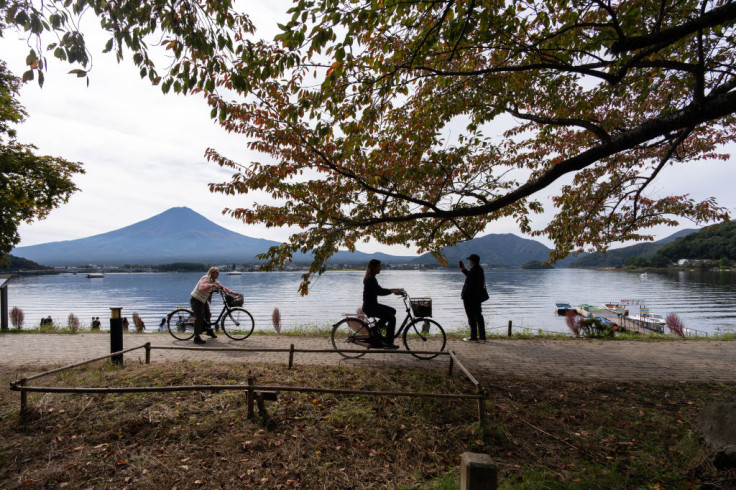
Japan’s new rules for cycling under the influence mirror the penalties associated with drunk driving for motor vehicle operators. This move also aligns with similar laws in countries where cycling under the influence is treated as a serious offense due to the potential harm it can cause.
Japan’s crackdown on cyclists using phones and cycling under the influence comes amid a broader cultural shift around cycling safety. These recent actions signify the government’s intention to ensure that cyclists, much like drivers, adhere to strict safety standards to protect everyone sharing the road.
Japan’s Broader Efforts to Enhance Cycling Safety
The newly introduced laws are part of a larger campaign by Japanese authorities to make cycling safer. In recent years, the Japanese government has enacted several measures aimed at protecting both cyclists and pedestrians, addressing the increased prevalence of bicycles on both roads and pavements.
One significant step came last year when Japan made helmet-wearing mandatory for cyclists. This measure was a response to growing concerns about head injuries and fatalities associated with cycling accidents. While helmet use has become compulsory, compliance rates remain mixed, with some cyclists choosing not to wear helmets despite the requirement.
Japan’s parliament has also granted the police greater authority to penalize cyclists for traffic violations. This past May, a bill was passed allowing officers to issue fines for various infractions, from riding on the wrong side of the road to reckless cycling behavior.
Unlike in many other countries, cycling on pavements is legal and common in Japan, which increases the risk of collisions between cyclists and pedestrians. With the new regulations, the government aims to establish safer cycling practices and reduce the number of accidents on sidewalks and roads.

The recent increase in regulations shows Japan’s commitment to building a cycling environment that prioritizes safety for all. The growing number of bicycle-related accidents has signaled the need for swift, decisive action, and these regulations represent an effort to address the risks associated with distracted or reckless cycling. However, the effectiveness of these measures will depend largely on enforcement and the willingness of cyclists to comply with the rules.
Japan’s new cycling regulations reflect the country’s determination to curb the rising number of bicycle-related accidents, especially those resulting from phone use and intoxication. With stricter penalties, including prison sentences and significant fines, Japan aims to promote responsible cycling habits and ensure road safety.
As cycling remains a popular mode of transport in Japan, these measures will likely play a crucial role in shaping the future of cycling in the country. However, the long-term impact of these regulations will depend on public awareness and enforcement efforts by authorities.