
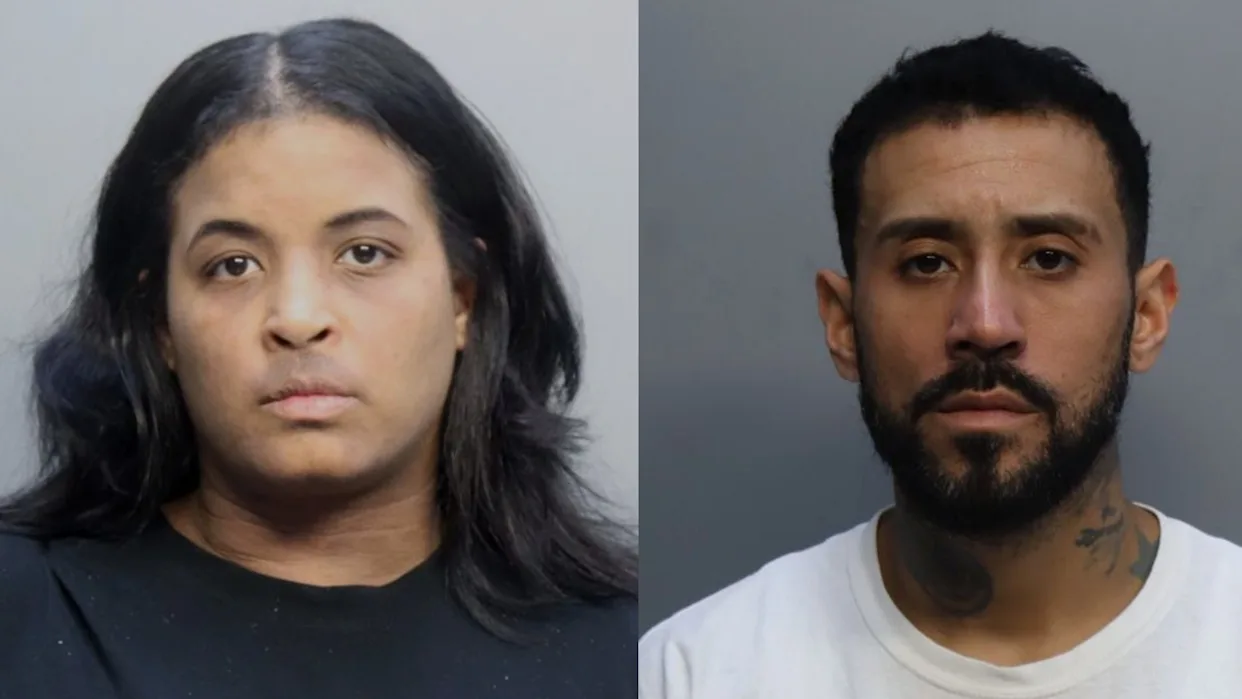
The arrest of a Florida mother accused of lying to protect her boyfriend in a child abuse investigation has drawn intense scrutiny to a case involving severe injuries to a nonverbal autistic child. Cynthia Elaine Hernandez, 32, turned herself in to authorities in January after investigators determined she had provided false information about how her six-year-old son sustained life-threatening injuries.
Prosecutors allege her actions delayed medical care and obstructed an investigation into what doctors later concluded was extensive physical abuse. The case has sparked public outrage while raising complex questions about parental responsibility, domestic dynamics, and the vulnerabilities of children with disabilities within the child welfare system.
The Incident That Nearly Cost a Child His Life
The investigation began on January 9, when emergency responders were dispatched to a residence following a report that a minor was in cardiac arrest. When police arrived, they found Cynthia Elaine Hernandez’s six-year-old son unresponsive, with no detectable pulse. Officers initiated CPR until paramedics arrived and were able to revive the child before transporting him to a local hospital for emergency treatment. Medical staff later determined that the boy’s condition was critical and that his injuries were not consistent with a simple accident.
According to medical reports cited by investigators, the child had visible bruising on his face and back, swelling to his head, and a fractured arm. More alarming were the internal injuries discovered through imaging and examination. Doctors found bleeding in the brain as well as lacerations to the child’s kidney, spleen, and liver, injuries that physicians indicated were indicative of severe blunt-force trauma. Medical professionals concluded that the injuries could have been fatal without timely intervention.
During the initial police response, Cynthia Elaine Hernandez’s boyfriend, Daniel Eduardo Romero, 34, told officers that the child’s injuries were the result of an accidental fall while he was teaching the boy how to ride a bicycle. Investigators requested to see the bicycle involved, but Romero was allegedly unable to produce it. He then offered a second explanation, claiming the child had been injured while playing on a wagon. Officers noted in their report that the wagon had a broken wheel and appeared unused for an extended period, further undermining the credibility of the account.
Read : Estonia: One of the Most-wired Countries in Europe
Despite the child’s visible injuries and deteriorating condition, Romero allegedly chose not to seek medical care, telling investigators that he did not believe the injuries were serious. The following day, after the child lost consciousness, a 911 call was finally placed, prompting the emergency response that saved the boy’s life.
Conflicting Accounts and Allegations of Deception
As detectives continued their investigation, attention turned to Hernandez’s role in the events surrounding her son’s injuries. When initially questioned, Cynthia Elaine Hernandez repeated Romero’s account that the injuries were caused by a bicycle accident. However, investigators later determined that her statements were inconsistent with medical findings and other evidence collected at the scene.
According to police records, Hernandez later admitted that she had lied to officers at Romero’s direction. She told investigators that her boyfriend instructed her to repeat the bicycle story and that she complied out of fear, believing Romero might be responsible for her son’s injuries. Cynthia Elaine Hernandez reportedly acknowledged that Romero frequently became frustrated with her son’s behavior related to his autism, a detail that further concerned investigators given the severity of the injuries.
Cynthia Elaine Hernandez provided additional information about the day of the incident that contradicted the earlier accident narrative. She told police that Romero had informed her the child hit his head on a television. She noticed swelling on the back of her son’s head and attempted to treat the injury at home with ice and medication rather than seeking professional medical care.
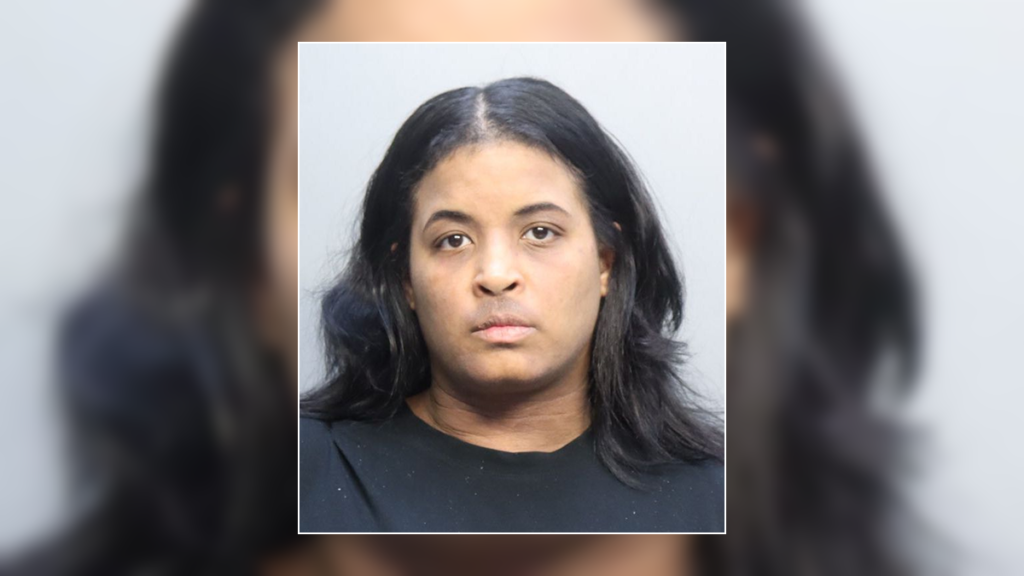
Cynthia Elaine Hernandez then left the residence for a period of time. When she returned, she observed new scratches on her son’s face and another bump on his forehead. Romero allegedly told her that the child had fallen again, this time while running through the house wearing socks.
Investigators concluded that Cynthia Elaine Hernandez’s failure to report suspected abuse, combined with her decision to provide false information to law enforcement, contributed to the delay in medical treatment and impeded the investigation. Court records show that she was charged with child neglect resulting in great bodily harm, failure to report child abuse or neglect, and providing false information to law enforcement. She was booked on January 23 after voluntarily turning herself in.
Legal Proceedings and Broader Implications
Romero was arrested roughly two weeks before Cynthia Elaine Hernandez turned herself in. He faces multiple felony charges, including aggravated child abuse causing great bodily harm, child neglect resulting in great bodily harm, and providing false information to law enforcement. Authorities have stated that Romero is being held without bond as the case proceeds. Prosecutors allege that the pattern of injuries and shifting explanations demonstrate intentional abuse rather than accidental harm.
Following Hernandez’s arrest, her attorney, Hugo Apellaniz, publicly criticized the decision to charge his client. He described Hernandez as a victim herself, asserting that she was manipulated and intimidated by Romero. Apellaniz stated that law enforcement was aware of the alleged control Romero exerted over Hernandez and argued that her actions should be viewed within the context of fear and coercion rather than criminal intent. He emphasized that Hernandez’s primary concern is her son’s recovery and expressed confidence that she would ultimately be vindicated.

The case has reignited debate over how the criminal justice system should address situations in which a parent or caregiver is accused of failing to protect a child while also potentially being a victim of abuse or coercion. Legal experts note that Florida law imposes a clear duty on parents and guardians to protect children from harm and to report suspected abuse, particularly when a child is unable to communicate due to age or disability. Failure to do so can result in serious criminal charges, regardless of the underlying circumstances.
Child welfare advocates have also highlighted the heightened vulnerability of children with developmental disabilities. Nonverbal autistic children may be unable to describe abuse or seek help, placing greater responsibility on caregivers and institutions to recognize warning signs and intervene promptly. Medical professionals involved in the case reportedly indicated that the extent of the child’s injuries would have been difficult to overlook, intensifying scrutiny of the adults responsible for his care.
As the legal process unfolds, the focus remains on the child’s long-term recovery and safety. Authorities have not released updates on his current condition, but medical experts have indicated that injuries of this severity can have lasting physical and neurological consequences. The case continues to move through the courts, with prosecutors expected to rely heavily on medical testimony, forensic evidence, and recorded statements to establish accountability.
The arrests of both Romero and Hernandez underscore the serious legal consequences associated with child abuse and neglect investigations, particularly when efforts are made to mislead authorities. The outcome of the case is likely to have implications not only for the individuals involved but also for broader discussions about protecting vulnerable children, recognizing signs of abuse, and ensuring that fear or loyalty does not override a caregiver’s legal and moral duty to act.