
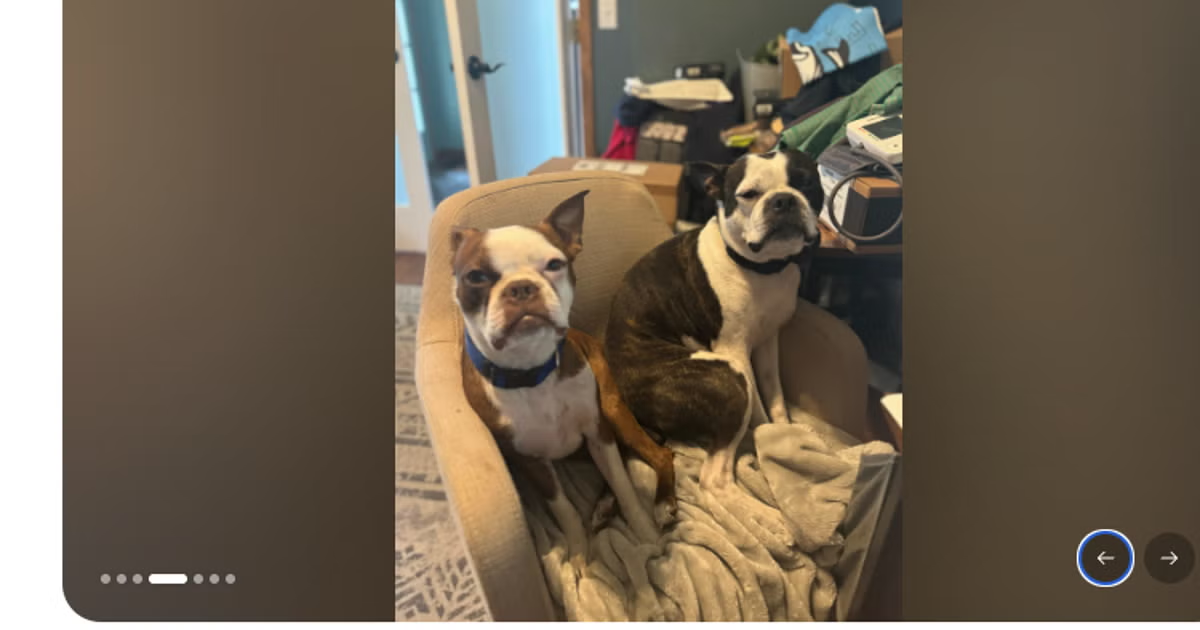
The shooting of two small family dogs in a Michigan cul-de-sac has set off strong emotions in the local community and beyond, not only because of the violent nature of the incident but also because of what followed. Blissfield Police Chief Dale Greenleaf, who was off duty at the time of the shooting, opened fire on two Boston Terriers belonging to the Snyder family, killing one and severely injuring the other.
The dogs were shot in full view of the Snyder children and their visiting young cousins. What has intensified public reaction is that Dale Greenleaf is now suing the dogs’ owners, Todd and Nicole Snyder, for negligence, claiming he acted in self-defense and has suffered harm as a result. The Snyders, meanwhile, say their children have been left deeply traumatized, their surviving dog has required extensive veterinary care, and the family is grieving an animal they considered a loved companion.
The case has raised questions about use of force, community trust in law enforcement officials, emotional trauma for children, and legal responsibility when pets roam outside a secured property. The story continues to develop, with community opinions sharply divided. What remains uncontested is that the incident has permanently altered the lives of both families and sparked a heated debate about accountability and compassion within small-town neighborhoods.
The Incident in the Cul-De-Sac
The shooting took place on the evening of October 6, when Chief Dale Greenleaf was taking a walk in the Snyder family’s neighborhood in Bedford Township, Michigan. According to Greenleaf’s account, the family’s Boston Terriers, Charlie and Dexter, approached him aggressively, prompting him to defend himself. The lawsuit filed by Dale Greenleaf states that he feared for his life and for “great bodily injury,” describing the dogs as the aggressors in what he viewed as an unprovoked attack. He claims he attempted to fend the dogs off by kicking them and trying to disengage before ultimately using his firearm.
The Snyder family strongly disputes this version of events. They describe Charlie and Dexter as small, friendly household pets weighing around fifteen pounds each. They maintain that the dogs were not aggressive and that the shooting was unnecessary. According to the family, the gate to their yard had inadvertently been left open, allowing the dogs to wander briefly into the street near their home. The dogs, they say, had never shown violent behavior and were well-loved companions of their children.
When Dale Greenleaf fired his weapon, both dogs were hit. Charlie, just one year old, died from the gunshot wounds. Dexter, who is three years old, survived but suffered severe injuries requiring extensive veterinary treatment. The children who witnessed the event were described by their mother, Nicole Snyder, as devastated. In a public statement shared on social media, she said the emotional impact was immediate and profound, calling the experience “heartbreaking” and “truly unbelievable.”
Read : 8-Year-Old Pekingese Wild Thang Wins 2024 World’s Ugliest Dog Contest
Neighbors who heard the shots described confusion and fear, with some initially believing the sounds were fireworks. Once they realized shots had been fired, several families rushed to bring their own children indoors. The sudden violence in an otherwise quiet residential area left a strong impression on those living nearby, many of whom have expressed support for the Snyder family. However, the official investigation concluded with prosecutors in Monroe County stating that there was insufficient evidence to charge Dale Greenleaf with a crime.
The Lawsuit and Legal Claims
Following the decision not to pursue criminal charges, Chief Greenleaf filed a civil lawsuit seeking $25,000 in damages. He alleges that the Snyder family is responsible for the incident due to negligence in allowing their dogs to roam freely. The lawsuit asserts that Dale Greenleaf suffered physical injuries from the encounter and has endured ongoing emotional distress, including fear, stress, and what he describes as “consistent violent and harmful threats to his home” following public reaction to the shooting.
The Snyders, however, view the lawsuit as an additional burden at a time when they are already coping with trauma and loss. According to statements from the family and their supporters, the children have struggled to understand why their pets were harmed. There has been continued need for emotional reassurance, and the surviving dog’s medical care has resulted in significant veterinary expenses.
Read : Anticlimactic! Lion Spotted Roaming Mountshannon Woodlands Was Just a Dog
Supporters of the Snyder family organized a GoFundMe campaign to help offset those costs. The fundraiser notes not only the financial strain but the emotional upheaval the family is working through. It highlights the children’s grief and the difficulty of processing the sudden loss of a beloved animal companion. The fundraiser has drawn donations from community members and sympathetic observers who see the family as facing both personal tragedy and legal adversity.
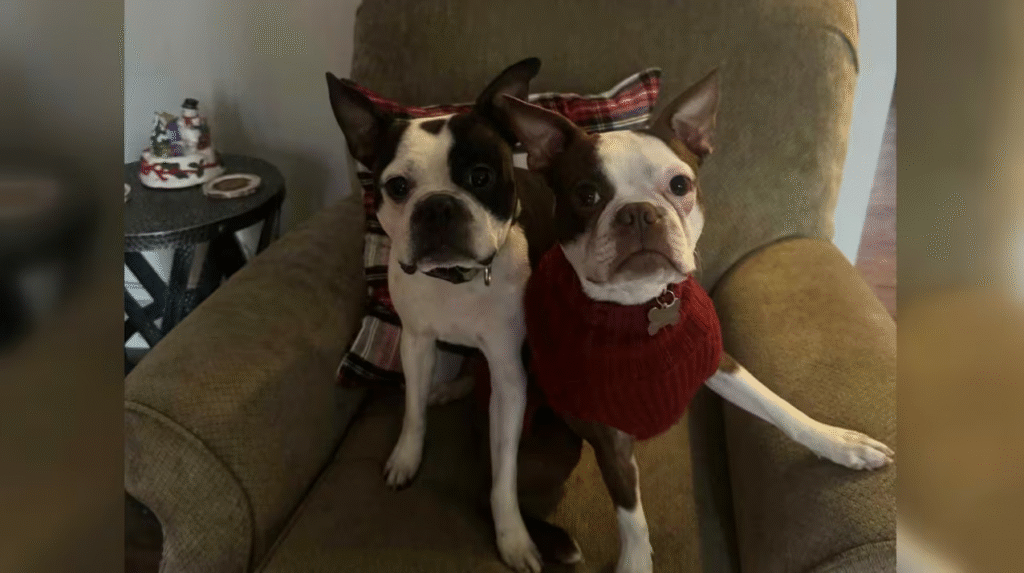
The lawsuit has therefore become a focal point of the wider public discussion, raising questions about what should happen when animals get loose, how self-defense claims should be evaluated when the threat involves small pets, and whether law enforcement officers should be held to different standards in their conduct when off duty. At the center of these questions lies the issue of responsibility: whether the Snyders’ accidental oversight justifies the shooting, and whether Dale Greenleaf’s response was proportionate to the situation he encountered.
Community Response and Broader Implications
Community reaction to the incident has been strongly divided, with many residents expressing sympathy for the Snyder family and criticizing Chief Dale Greenleaf’s actions. Statements from neighbors suggest disbelief that the dogs posed a real threat, describing them as small and generally friendly. For these individuals, the shooting was not only unnecessary but deeply unsettling, particularly given the presence of children. Their focus has been on emotional harm and the lasting effects on the Snyder children.
Read : 9-Month-Old Mauled to Death by Dog at Home in Rogiet Village
Other community members, however, point to legal principles regarding responsibility for keeping pets secured. From this perspective, even gentle dogs can behave unpredictably, and it is the owner’s duty to ensure their animals do not pose a risk to others. Supporters of Dale Greenleaf have argued that regardless of the size of the dogs, he had the right to defend himself if he believed he was in danger.
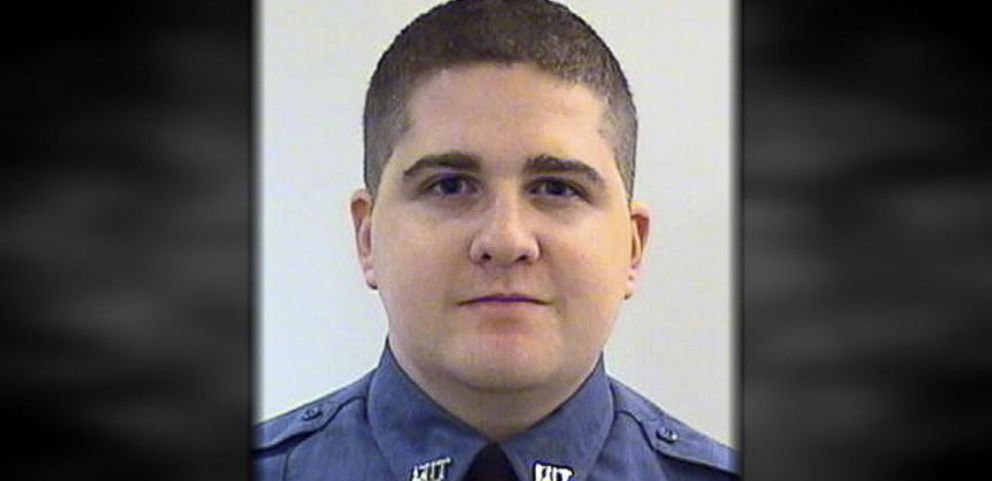
The incident also touches on wider discussions surrounding trust in law enforcement. Dale Greenleaf’s role as a police chief means his actions and decisions are subject to heightened public scrutiny. Some community members question whether the use of a firearm against small pets was an excessive reaction, especially given training associated with police positions. Others emphasize that off-duty officers remain ordinary citizens entitled to personal safety.
The trauma experienced by the Snyder children adds another dimension to the social and emotional impact of the event. According to accounts provided by the family and neighbors, the children immediately expressed shock and grief, creating posters in remembrance of their lost pet and struggling to process what they had witnessed. While legal proceedings may eventually determine liability, the emotional effects are likely to endure.
The broader implications of the case may influence discussions about community policing, conflict resolution, and legislative standards regarding interactions between residents and roaming pets. In many areas, local laws regarding animal restraint exist to prevent such incidents, yet enforcement and community understanding vary widely. The incident may prompt renewed attention to these guidelines as communities evaluate how to balance public safety with compassion and neighborly understanding.
The legal process will continue as the lawsuit proceeds, and both families will navigate the personal consequences of what occurred. The situation underscores the complex intersections of law, community relationships, emotional trauma, and the responsibilities associated with pet ownership and public safety.