
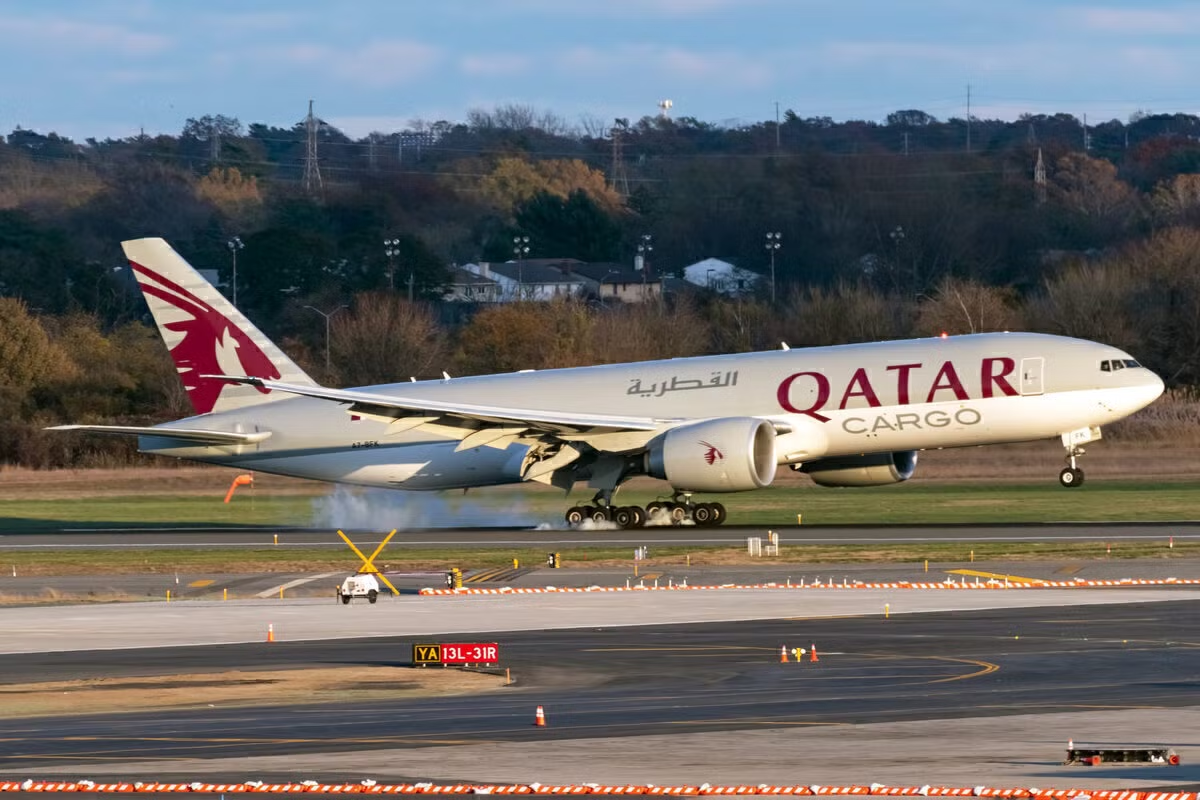
In a remarkable moment of hope and recovery for Syria, the country’s main international gateway, Damascus Airport, resumed international flights on Tuesday. This marked a significant milestone, as it was the first time international commercial air traffic had been allowed to depart from the airport since President Bashar al-Assad’s ouster last month.
This resumption of international travel is seen as both a symbolic and practical step towards stabilizing the region and restoring connections with the outside world.
A New Beginning for Damascus Airport
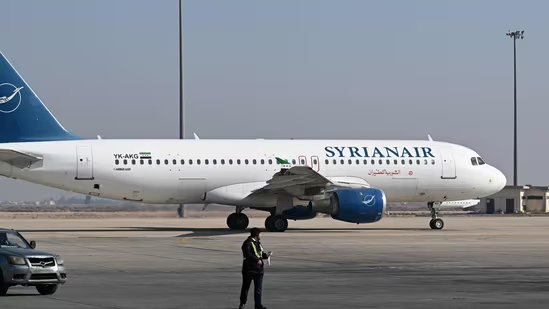
The flight, operated by Syrian Airlines, was bound for Sharjah in the United Arab Emirates. The departure of this flight, scheduled at 11:45 am local time, was a pivotal moment in Syria’s long journey to recovery after years of devastating conflict.
Damascus Airport has been largely closed to international commercial flights during the ongoing conflict, which began in 2011, following the rise of Islamist-led rebel forces that have controlled various parts of the country.
The airport’s long-standing closure to international air traffic was symbolic of the isolation Syria had been experiencing due to the ongoing civil war and subsequent international sanctions.
For Anis Fallouh, the director of Damascus Airport, the flight’s takeoff was a momentous occasion. “Today marks a new beginning,” Fallouh declared to AFP, recognizing that the resumption of international flights heralded not only an economic rebound but also a restoration of confidence in Syria’s future.
His words underscored the optimism surrounding the resumption of international commercial aviation, a key marker of any country’s reopening after a period of turmoil.
While Damascus had continued to receive flights from international aid organizations and foreign diplomatic delegations throughout the years, this marked the first commercial flight in nearly a month.
Read : Syria Resumes Saudi Flights After 12 Years of Suspension
This shift symbolizes a loosening of restrictions on air travel and an early sign that the region might be opening up once again to global connectivity, an essential step towards Syria’s integration back into the international community.
The Road to Recovery and the Return of International Travel
The civil war in Syria, which began in 2011, has been one of the most destructive conflicts in recent history, devastating much of the country’s infrastructure and causing a profound human toll.
Over the years, the country saw its airports become either direct targets of attacks or subject to closures as control of the country shifted back and forth between the Assad regime and various rebel factions.
International flights had been grounded for most of this period, creating a physical and symbolic barrier between Syria and the outside world. The shutdown of Damascus Airport was just one of many consequences of the brutal civil war, which brought about heavy sanctions, strained diplomatic relations, and the displacement of millions of Syrians.
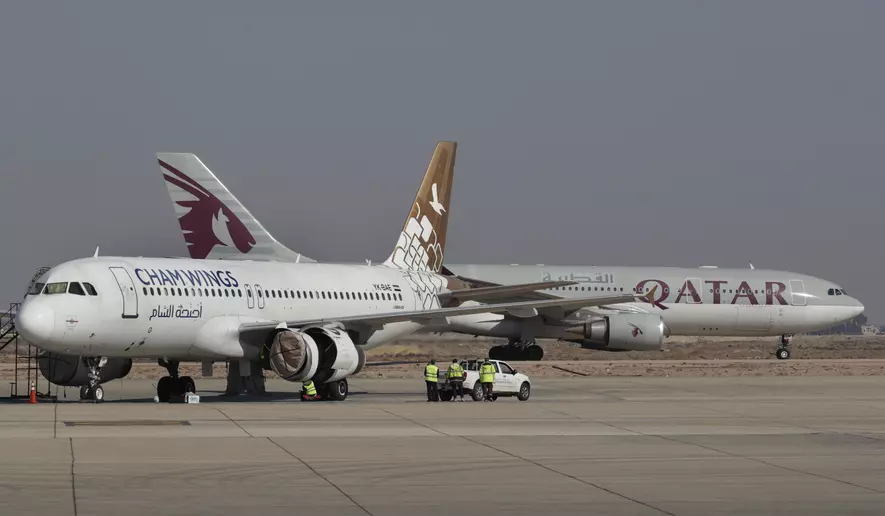
Despite these challenges, Syria’s government, led by Bashar al-Assad, has managed to regain control over much of the country. However, Assad’s rule has also led to a continued international isolation for Syria, particularly from Western nations, due to accusations of war crimes and human rights violations.
Throughout this time, many of Syria’s international connections were severed, and the country’s primary international hub, Damascus Airport, was shut down for commercial purposes.
The reopening of the airport represents not just a recovery of the region’s infrastructure, but also a major step in reestablishing connections between Syria and the rest of the world. Countries that had previously withdrawn their embassies and suspended flights are now watching closely to see how Syria re-enters the global community.
As international flights resume, it marks the beginning of a gradual rebuilding of both Syria’s economy and its diplomatic relationships with key regional and global players.
The Geopolitical Implications of Syria’s Reopening
Syria’s re-opening to international flights carries significant geopolitical ramifications. The flight to Sharjah is a testament to the ongoing influence of the United Arab Emirates (UAE) in the region, as the UAE has been one of the few Arab nations to maintain positive relations with Syria during the conflict.
The Emirates’ willingness to be the first country to resume flights to Damascus highlights the complex political realities in the Middle East, where alliances and relationships shift depending on local and global political developments.
Additionally, the reopening of Damascus Airport may signal a potential thawing of relations between Syria and other Arab nations. The UAE, along with a few other Arab countries, had been previously at odds with Assad’s regime.
However, the Syrian government’s regaining of control has prompted some countries to reconsider their stance, leading to discussions about Syria’s reintegration into the Arab League. This diplomatic shift is part of a larger trend in the Middle East, where several countries are seeking to restore ties with Syria after years of estrangement.
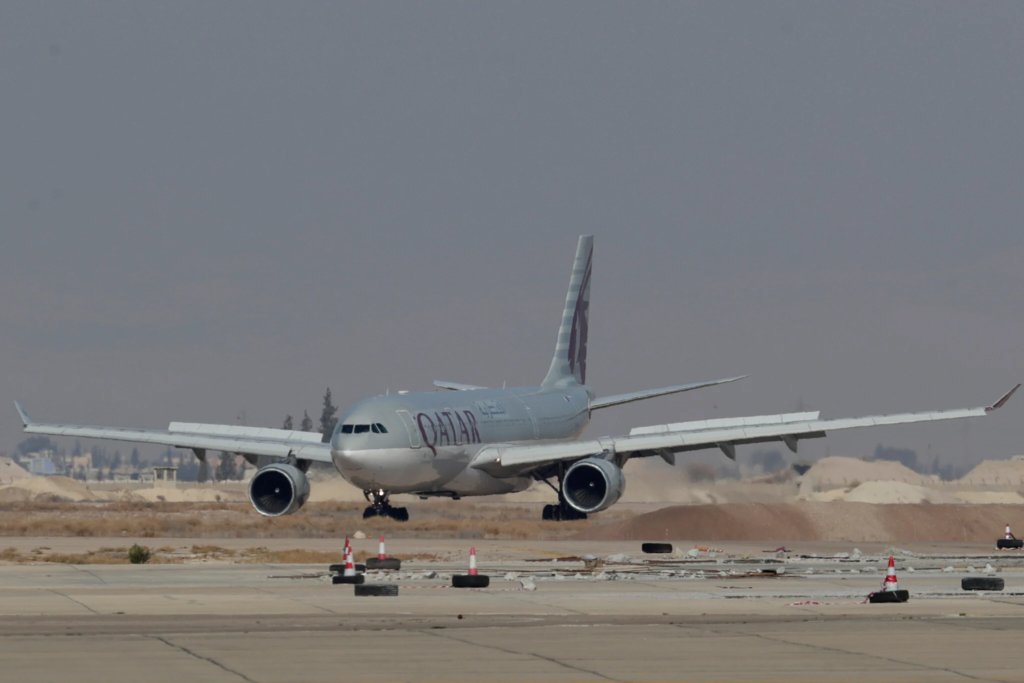
For many in the international community, however, Syria’s re-entry into global affairs is not without controversy. The Assad regime continues to face criticism for its brutal tactics during the war and for its treatment of civilians.
The ongoing challenges in achieving political reform and a peaceful resolution to the conflict complicate Syria’s future relationship with Western countries, who have been hesitant to re-establish formal diplomatic ties due to the government’s actions during the civil war.
Nevertheless, the resumption of international flights is a clear indicator that Syria is beginning to make strides in terms of reintegration into the international system. It is also an important development for regional powers like Iran and Russia, who have long been allies of the Assad regime and continue to support Syria in its efforts to rebuild.
These countries, alongside others in the Middle East, will likely see the restoration of flights as an important sign of Syria’s recovery and an opportunity for increased regional cooperation.
Challenges and Opportunities for Syria’s Future
While the reopening of Damascus Airport to international commercial flights is a significant milestone, it is only the beginning of Syria’s long road to recovery. Despite the end of large-scale fighting in many parts of the country, Syria still faces numerous challenges, including rebuilding its economy, addressing the humanitarian crisis, and achieving political reconciliation.
The reopening of the airport is a crucial step in the country’s recovery, but it must be followed by comprehensive efforts to address the needs of the Syrian people. This includes ensuring that basic infrastructure, including healthcare, education, and public services, are restored to pre-conflict levels.
Additionally, the rebuilding process must be inclusive, with efforts made to bring various ethnic and religious groups together in a cohesive national effort.
Economic reconstruction will also play a vital role in Syria’s recovery. The civil war left the country’s economy shattered, with much of its industrial and agricultural infrastructure destroyed.
The lifting of international sanctions could provide a much-needed boost to Syria’s economy, but this will depend on how well the government manages the reconstruction process and whether international donors are willing to invest in the country’s future.
International flights are a key component of Syria’s economic and diplomatic recovery. They will facilitate trade, tourism, and diplomatic exchanges, which are all essential for rebuilding the country. However, Syria’s path to full reintegration into the international community is still fraught with obstacles.
For the Assad government, the challenge will be balancing its relationships with key regional partners while addressing ongoing calls for political reform and human rights improvements.
The resumption of international flights from Damascus Airport marks a historic moment for Syria, symbolizing the country’s gradual return to the international community. While challenges remain, the successful departure of the first international commercial flight from the airport offers a glimmer of hope for Syria’s recovery and reintegration into the global system.
As the country continues its path to rebuilding, the importance of connectivity through air travel, trade, and diplomacy cannot be overstated.
The geopolitical significance of this event, coupled with the support of key regional allies like the UAE, underscores the shifting dynamics in the Middle East and Syria’s place within it.
The road ahead for Syria remains difficult, but the reopening of Damascus Airport offers a sense of optimism that the country’s future may be one of recovery, growth, and renewed international cooperation.