
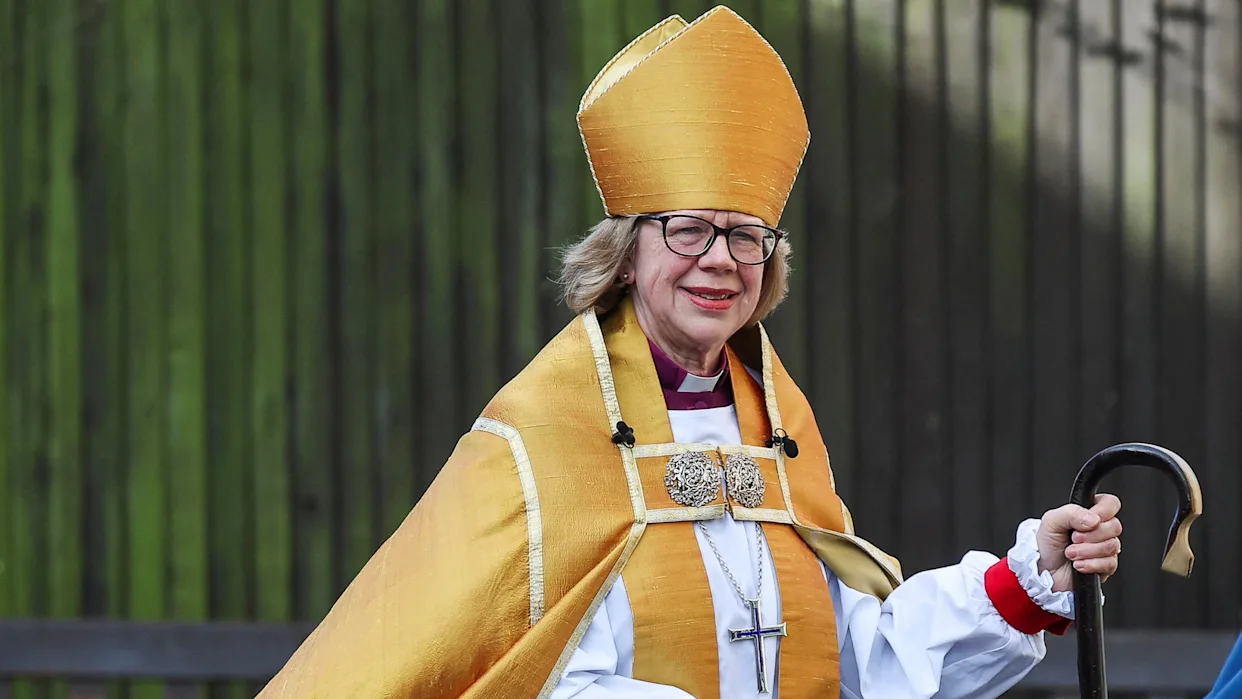
The enthronement of Dame Sarah Mullally as the Archbishop of Canterbury marks a historic moment not only for the Church of England but also for the broader global Anglican community. For the first time in its long history stretching back to the late sixth century, the Church has appointed a woman to its most senior spiritual office. The significance of this milestone extends beyond symbolism, touching on decades of gradual reform, debates over inclusion, and the evolving role of the Church in a modern and often divided world.
Her installation ceremony, attended by political leaders, members of the royal family, clergy, and community representatives, reflects both continuity with ancient traditions and a conscious effort to signal change. Dame Sarah’s rise to this position comes at a time when the Church faces scrutiny and internal challenges, including questions around safeguarding, inclusivity, and its stance on social issues.
Her first sermon as Archbishop underscored these realities, particularly her emphasis on acknowledging victims who have suffered within church communities. By highlighting compassion, accountability, and justice, she set a tone that suggests her leadership will be defined not only by breaking barriers but also by addressing the difficult issues confronting the institution. Her journey to this historic role is rooted in a diverse professional and spiritual background that has shaped her approach to leadership.
A Journey from Nursing to Spiritual Leadership
Dame Sarah Mullally’s path to becoming Archbishop of Canterbury is notable for its breadth and depth, beginning far from the traditional expectations of church leadership. Before entering ordained ministry, she built a distinguished career in nursing, rising to become the Chief Nursing Officer for England. This experience provided her with firsthand insight into care, compassion, and the complexities of human vulnerability, all of which have deeply influenced her approach to ministry.
Her transition from healthcare to the priesthood reflects a vocation shaped by service. Ordained at a time when women had only recently been permitted to become priests in the Church of England, she became part of a generation that helped redefine the role of women within the Church. Her subsequent appointments as a bishop further established her as a capable and thoughtful leader, navigating both pastoral responsibilities and administrative challenges.
Throughout her ministry, Dame Sarah has often drawn upon her medical background, particularly in addressing issues related to wellbeing, ethics, and community care. This combination of professional expertise and spiritual commitment has contributed to her reputation as a pragmatic and empathetic leader. Her ability to connect with people across different walks of life was reflected in her decision to invite nurses and carers to her enthronement service, acknowledging the profession that shaped much of her early life.
Historic Appointment: Dame Sarah Mullally becomes first woman to lead the Church of England
— Prexxh (@P_rexxh) March 26, 2026
pic.twitter.com/w4ABdVu4sU
Her journey also illustrates the broader transformation within the Church of England over recent decades. The acceptance of women in ordained roles, once a contentious issue, has gradually become part of the institution’s fabric, though not without ongoing resistance. Dame Sarah’s appointment represents both the culmination of these changes and a continuation of the dialogue about equality and inclusion within the Church.
A Historic Enshrinement Amid Tradition and Change
The enthronement ceremony itself carried deep historical significance, rooted in centuries-old rituals that symbolize the authority and responsibility of the Archbishop of Canterbury. Held in Canterbury Cathedral, the service followed the traditional structure of an enthronement while incorporating elements that reflected modern perspectives and global diversity.
The ceremony began with Dame Sarah knocking on the cathedral’s West Door, a symbolic act representing her formal entry into the role. This was followed by a series of rituals conducted in different parts of the cathedral, each signifying a stage in her installation. In the nave, she took an oath using a newly introduced Bible, marking a departure from long-standing tradition and signaling a willingness to embrace change. In the choir, she was formally seated as Bishop of the Diocese of Canterbury before proceeding to the historic chair associated with her position as Primate of All England.
Read : Who Is Don Lemon, Former CNN Anchor Arrested Over Anti-ICE Church Protest in Minnesota?
Despite its adherence to tradition, the service included several modern elements that highlighted the global nature of the Anglican Communion. Prayers and readings were delivered in multiple languages, reflecting the diversity of the Church’s followers around the world. The inclusion of different cultural expressions underscored the evolving identity of Anglicanism as a global faith community rather than a solely English institution.
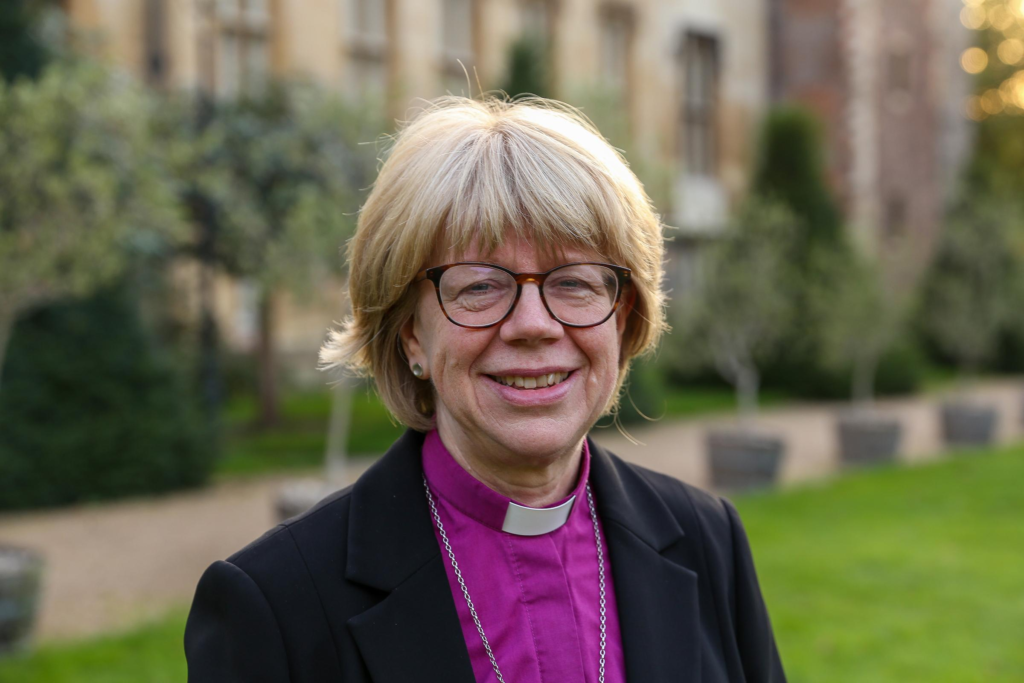
The presence of high-profile attendees, including political leaders and representatives of the monarchy, reinforced the importance of the Archbishop’s role not only within the Church but also in national life. At the same time, Dame Sarah’s emphasis on pilgrimage, including her decision to walk a significant distance prior to the ceremony, added a personal and spiritual dimension to the occasion. This act of reflection and preparation aligned with her broader message of humility and service.
However, the historic nature of her appointment has not been universally accepted. Some conservative factions within the Anglican Communion continue to oppose the ordination of women, and alternative leadership structures have been proposed by dissenting groups. Dame Sarah’s willingness to engage with these differing perspectives will likely be a defining aspect of her tenure.
Leadership Challenges in a Divided Church
As Archbishop of Canterbury, Dame Sarah Mullally assumes leadership at a time of considerable complexity for the Church of England. One of the most pressing issues is the need to rebuild trust in the wake of past safeguarding failures. The resignation of her predecessor following criticism over the handling of abuse cases has heightened expectations for transparency and accountability. Dame Sarah has acknowledged these concerns, emphasizing the importance of shining light on the Church’s actions and ensuring that victims and survivors remain at the forefront of its priorities.
Her statements during and before her enthronement indicate a commitment to fostering a safer and more compassionate Church. She has stressed the need for ongoing reform and vigilance, particularly in addressing the systemic issues that have allowed harm to occur in the past. This focus on safeguarding is likely to be a central theme of her leadership, shaping both policy and practice within the institution.
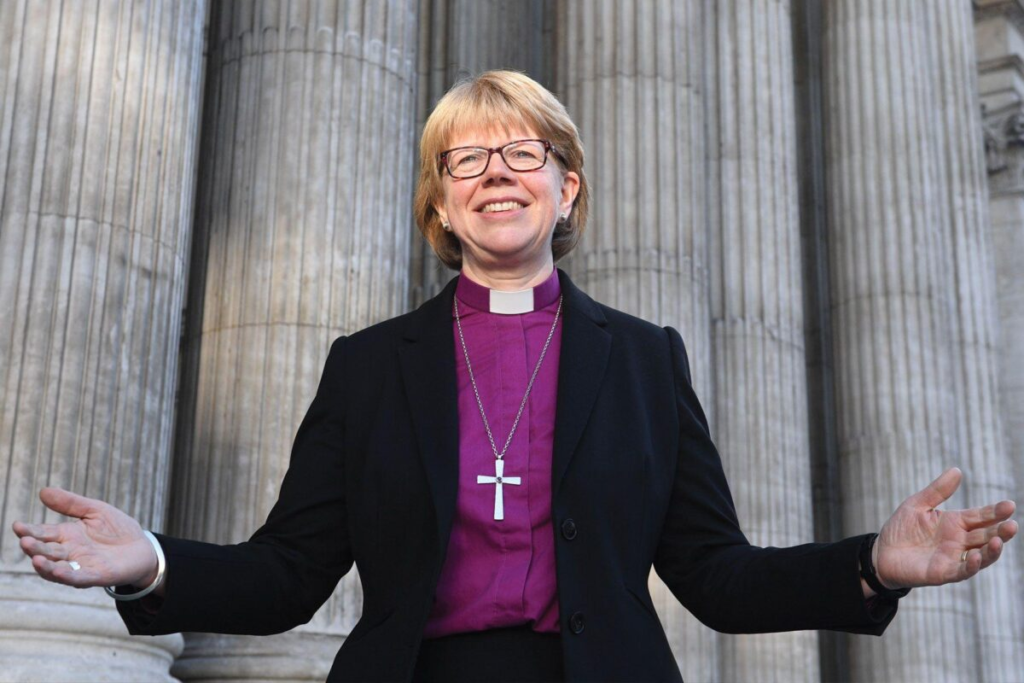
In addition to safeguarding, Dame Sarah must navigate ongoing debates over social issues, including same-sex relationships and the role of women in ministry. These topics have long been sources of division within the Church, reflecting broader societal changes and differing theological perspectives. Balancing these tensions while maintaining unity will require careful and thoughtful leadership.
The global dimension of her role adds another layer of complexity. As a figurehead for the Anglican Communion, she must engage with churches in different cultural and political contexts, many of which hold views that differ significantly from those in England. Her references to conflicts in various parts of the world during her sermon highlight an awareness of the broader challenges facing the global Church, including war, displacement, and humanitarian crises.
Dame Sarah’s leadership style, shaped by her background in healthcare and her experience as a bishop, suggests an emphasis on listening, collaboration, and practical action. Her acknowledgment of those who have supported her journey, particularly women who paved the way for her appointment, reflects a recognition of the collective effort behind this historic moment. At the same time, her focus on accountability and reform indicates a readiness to confront the difficult realities facing the Church.
Her enthronement represents not only a personal milestone but also a turning point for the Church of England. As the first woman to hold this position, she carries both the expectations of progress and the responsibility of addressing longstanding challenges. The significance of her appointment lies not just in breaking a centuries-old barrier but in the potential to shape the future direction of the Church in a rapidly changing world.