
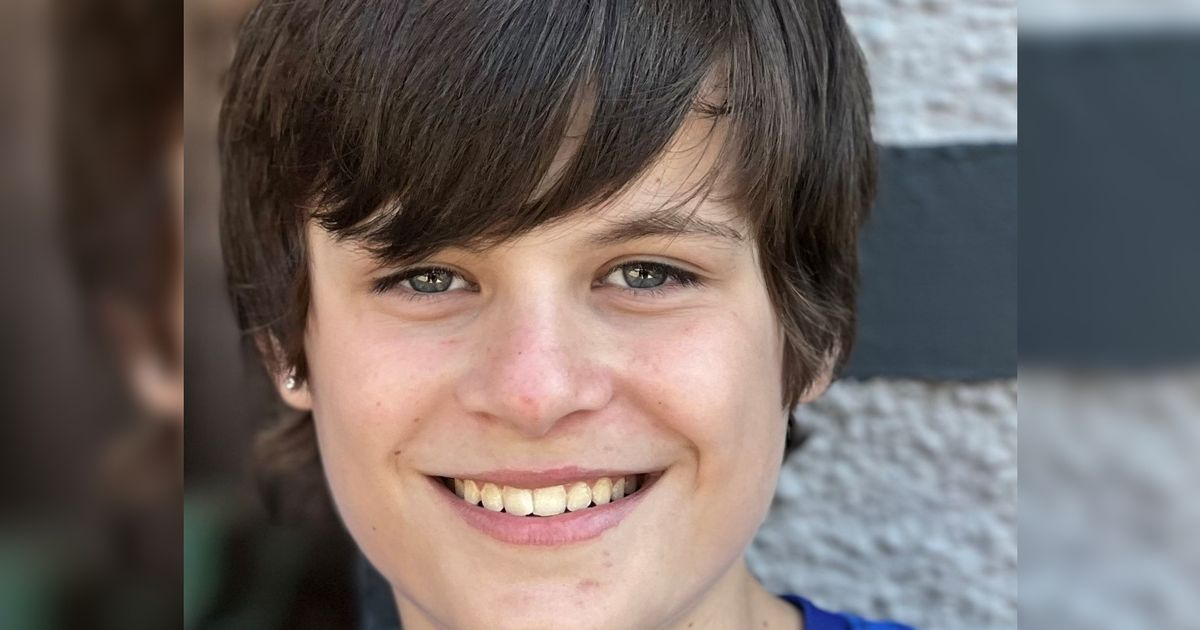
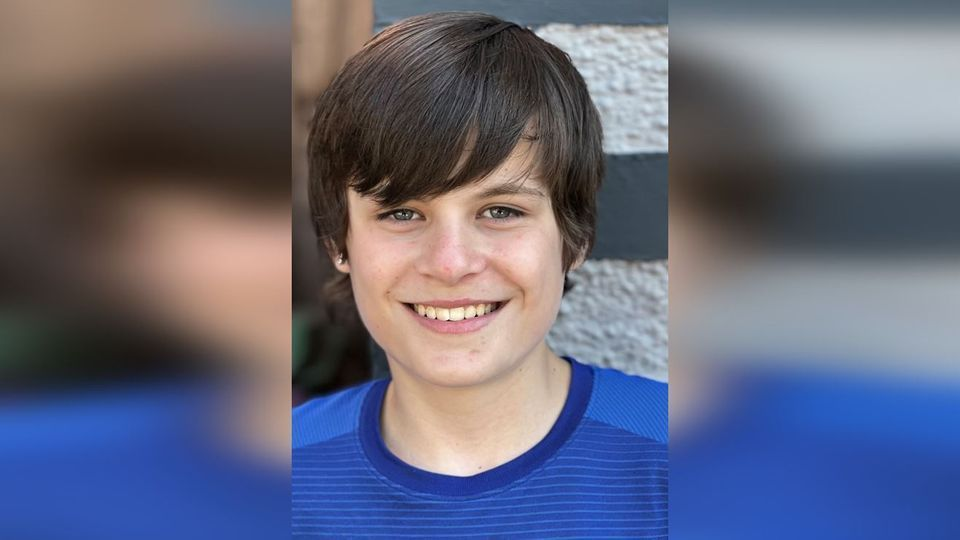
The tragic drowning of 14-year-old Daniel Halliday on June 30, 2024, serves as a heartbreaking reminder of the risks associated with recreational activities at beaches. The young boy was enjoying a fun day at Crosby Beach in Sefton, Merseyside, with two friends when a seemingly harmless day out turned into a catastrophic event.
The incident led to a thorough investigation and an inquest to uncover the details surrounding his death. As we reflect on this tragic loss, we must consider the lessons that can be learned to prevent similar accidents in the future.
The Events Leading to the Tragedy
Daniel Halliday, from Tuebrook in Liverpool, was spending the afternoon at Crosby Beach, a place known for its beautiful scenery but also for its potential dangers. He was accompanied by two friends, all of whom were excited to enjoy a day of fun in the sun.
According to one of the friends, the group was jumping in the waves and having a great time together. As they played, the waves seemed to grow bigger and more powerful.
At one point, Daniel and his friends became separated in the water. One of the friends struggled to keep up with the increasing strength of the waves, and after noticing this, another friend helped the struggling person out of the water. As they did so, they called out to Daniel, urging him to join them and get on their backs to safety.
Tragically, it was at this moment that Daniel found himself in danger. The waves had become too strong, and the tide was pulling him further out to sea. In a desperate attempt to help him, one of the friends threw a life-ring towards Daniel, but the rope attached to the life-ring was too short to reach him. Despite the frantic efforts to rescue him, the friend could do nothing but watch in horror as Daniel was swept further away.
Read : Woman Drowned Dog in Airport Restroom After Being Told She Couldn’t Take Pet on Plane
In a statement read at the inquest, the friend recalled the terror they felt during the incident. They described screaming and shouting for help but feeling helpless as their attempts were in vain.
Read : Man’s Body Frozen at -196°C in Hope of Future Revival in Australia
“There was no lifeguard or coastguard during our time on the beach, and no one told us not to go into the water,” the friend said. This lack of immediate guidance or warning contributed to the uncertainty the young swimmers faced as they found themselves in increasingly dangerous waters.
The Search and Rescue Operation
Following the initial alarm raised by the group of friends, a full-scale search and rescue operation was launched to locate Daniel. The authorities were alerted, and both the lifeboats and the police helicopter were dispatched to the scene. Coastguard teams and fire and ambulance crews also joined the operation in an attempt to locate the missing boy.
The search was urgent and began immediately after Daniel was reported missing. CCTV footage from the scene showed the three friends swimming in the sea just after 6:30 pm.
Daniel could be seen disappearing off-camera, still above the water but moving towards Liverpool. It quickly became apparent that the situation was dire, and the authorities acted swiftly to locate him.
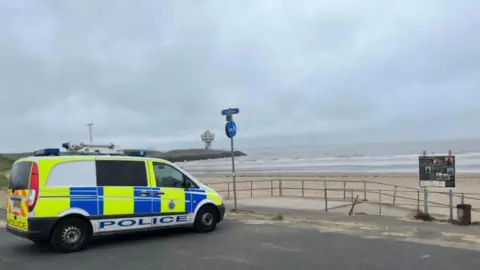
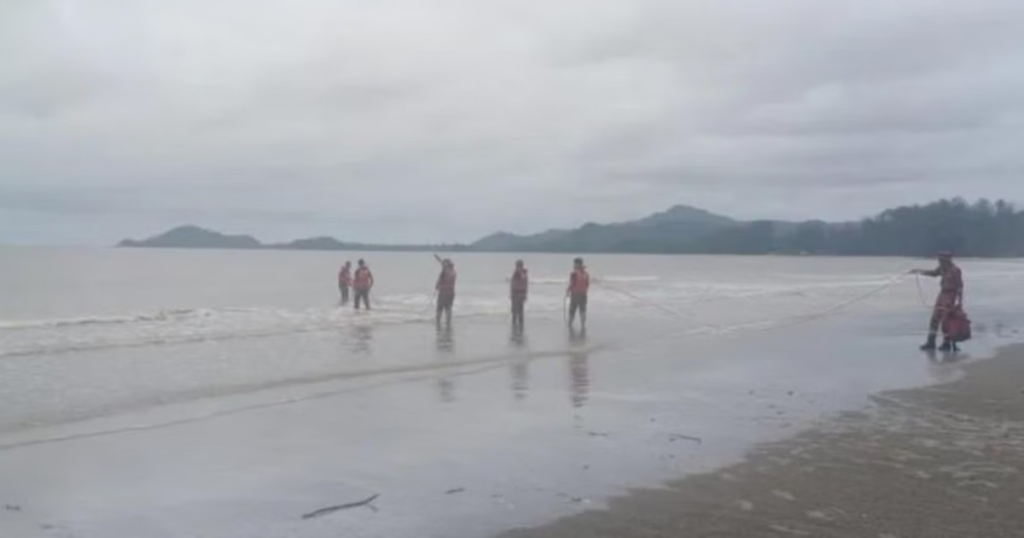
The operation continued throughout the night, with the search being called off at 1:00 am before resuming at first light. A significant amount of resources, including personnel and equipment, were used in the efforts to locate Daniel. Unfortunately, despite these extensive efforts, it wasn’t until July 8—eight days later—that Daniel’s body was found off the coast at New Brighton, Wirral.
Detective Inspector Paul McVeigh, who was involved in the investigation, confirmed that the search was paused several times but resumed each morning in hopes of finding Daniel. Despite the efforts of all involved, the young boy’s body was found much later, which marked a devastating end to an agonizing search.
The Inquest and Findings
An inquest into Daniel Halliday’s death was held at Bootle Town Hall on Thursday, July 27, 2024. During the proceedings, Senior Coroner Julie Goulding ruled that Daniel’s death was an accidental drowning. The coroner described the events as a tragic accident that unfolded when three young people, out enjoying a day at the beach, found themselves in a dangerous situation.
The inquest revealed several important details about the day of the tragedy. One key finding was that Crosby Beach is considered a “relatively dangerous” beach, according to officials.
Michael Buratti, the area commander for HM Coastguard, stated that the beach has areas that can become cut off by tides, as well as sinking mud that could pose significant risks to anyone who ventures too far into the water. Additionally, the beach is located near a busy shipping channel in and out of the River Mersey, which can create stronger and unpredictable waves.
Despite these dangers, the group of friends was unaware of the specific risks posed by the waters at Crosby Beach. The absence of lifeguards at the time of the incident also contributed to the tragic outcome.
The beach is staffed by lifeguards every day of the year, but their hours of operation are limited to 10:00 am to 6:00 pm, leaving the beach unmonitored after these hours. Unfortunately, Daniel’s death occurred after these hours, and there was no immediate help available.
Another significant aspect discussed during the inquest was the presence—or lack thereof—of adequate safety signage on the beach. Sefton Metropolitan Borough Council staff member Michelle Williams confirmed that there were 35 signs along the 3.4 km stretch of Crosby Beach warning people of the potential dangers and advising that it was not a designated bathing beach.
However, Daniel’s family pointed out that many of the signs were faded and worn, making them less visible and less likely to attract the attention of beachgoers, particularly children. Daniel’s mother, Paula Heaton, expressed her concerns about the effectiveness of these signs, saying, “They were all dull and all washed out, they’re not going to attract a child’s eye.”
While the coroner acknowledged that the current signs were inadequate, she noted that there were plans in place to replace them with larger and more visible ones to increase awareness of the risks at the beach. This was seen as a positive step in preventing future accidents, ensuring that visitors are better informed about the dangers of swimming in the area.
The death of 14-year-old Daniel Halliday is a tragic reminder of the importance of beach safety, especially for young people enjoying recreational activities in unfamiliar waters. It highlights the need for better communication about the dangers of certain beaches, particularly those with strong tides, sinking mud, and proximity to busy shipping channels.
It also underscores the importance of having lifeguards on duty at all times and ensuring that safety signs are clear, visible, and easily understood. While Daniel Halliday’s family and friends are left heartbroken by the loss, the inquest has brought attention to the gaps in safety measures at Crosby Beach.
The introduction of new, larger safety signs is one step towards preventing further tragedies, but it is crucial that we continue to raise awareness about the dangers of swimming in certain areas, particularly during times when lifeguards and other rescue services may not be present. Only through education, vigilance, and proper safety measures can we hope to prevent such heartbreaking accidents in the future.