

The tragic death of American teacher Daniel Owen and his 15-year-old son Cooper sent shockwaves across international education communities and travel safety circles. The pair were on what was meant to be a memorable family adventure in Laos, ziplining through lush green landscapes and taking in the region’s natural beauty. Instead, they fell victim to a devastating and sudden hornet attack that proved fatal within hours. This heartbreaking incident has raised questions about outdoor adventure safety, hornet risks in Southeast Asia, and the hidden dangers that can accompany nature-based tourism experiences.
According to reports, Daniel Owen, 47, was a respected educator and director of QSI International School in Haiphong, Vietnam. Known for his dedication, warmth, and supportive leadership style, he had devoted nearly two decades to teaching and administration within the Quality Schools International network, serving in multiple countries around the world. His son Cooper was described as a kind and bright young student who was growing up surrounded by global experiences and diverse communities.
The father and son were vacationing at an eco-adventure resort in the northern region of Laos, near the historic and scenic city of Luang Prabang. The area is popular among travelers seeking natural exploration experiences, offering zipline parks built into jungle canopies and treetop walkways. It was during one of these ziplining excursions that the pair encountered a massive swarm of what are believed to have been Asian giant hornets. These insects are known for their highly potent venom and aggressive defense mechanisms, particularly when they sense that their nest is disturbed. Tragically, in this case, the consequences were immediate and gruesome.
A Terrifying Encounter in the Jungle Canopy
Witness accounts suggest that the attack occurred while Daniel and Cooper were climbing down from a tree platform, likely after completing one of the zipline routes. As they descended, they inadvertently came near or onto a hornet nest. Asian giant hornets, considered the largest and most venomous hornets in the world, respond to perceived threats with aggressive swarm attacks. Once they begin stinging, they release pheromones that signal others in the colony to join the assault, quickly escalating the situation beyond control.
The two were reported to have been stung more than 100 times each. Witnesses and medical staff described their bodies as being “covered in red spots” from the sheer volume of hornet stings. Although both were conscious upon arrival at a nearby clinic, the severity of the venom exposure was already overwhelming.
Read : 6 Tourists Die After Drinking Methanol-Poisoned Liquor in Laos
The doctor on duty noted that despite the absence of immediate anaphylactic shock, the high number of stings indicated extreme risk. They were transferred to a larger provincial hospital for urgent treatment but tragically passed away only hours later. The resort, identified as Green Jungle Park, expressed condolences and reported reviewing its safety operations following the incident.
Read : Unveiling Laos: Top Ten Selfie Spots for Immersing in Tranquility and Culture
However, this tragedy illustrates how difficult it can be to anticipate wildlife threats in dense forest environments. Hornet nests are often hidden, and unlike guided animal encounters, insect swarm events are largely uncontrollable once triggered. Adventure tourism operators in Southeast Asia frequently work in close proximity to wild habitats, meaning risks, even if statistically low, can be unpredictable and lethal.
Remembering Daniel and Cooper: A Community in Mourning
News of the deaths of Daniel Owen and his son spread rapidly among expatriate education circles, international school communities, and former students who had worked with or learned under him. Tributes poured in across social media, many describing Daniel Owen as not only a dedicated educator but also a compassionate mentor and strong advocate for his students. His guidance, encouragement, and ability to connect with individuals across cultures were deeply valued.
Colleagues recalled how he fostered supportive learning environments where students were encouraged to grow academically, emotionally, and personally. His leadership was characterized by empathy and approachability. Former students shared heartfelt stories of how he encouraged them to pursue opportunities they believed were out of reach, including scholarships, university applications, and academic competitions.
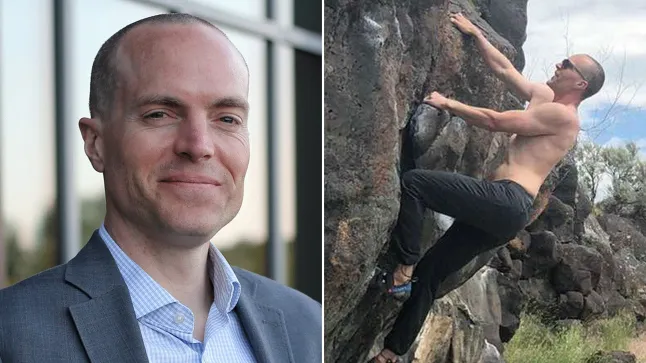
The tributes to Cooper were equally emotional. Friends and classmates described him as friendly, thoughtful, and adventurous—a young person who embraced the global lifestyle that came with his father’s educational career. For international school families, where bonds are often formed across cultures and continents, the loss resonated deeply and widely.
The QSI organization issued a statement acknowledging Daniel Owen’s nearly 18 years of committed service across five different schools worldwide. The emotional tone of the message reflected the profound sense of loss felt by colleagues and students, noting that his absence leaves a void that will not be easily filled. Communities across multiple countries where Daniel Owen had worked also held small memorial circles, candlelight gatherings, and online remembrance spaces to honor both father and son.
The Hidden Threat of the Asian Giant Hornet
The incident brought a renewed spotlight to the Asian giant hornet, sometimes sensationally referred to as the “murder hornet.” Native to parts of East and Southeast Asia, these hornets are significantly larger than typical wasps or bees, with adults measuring up to two inches in length and possessing stingers that can reach up to 6 mm. Their venom, which contains a chemical compound called mastoparan-M, has the capacity to break down cellular tissue and cause severe organ complications when received in high doses.
Hornet venom affects every person differently depending on factors such as sting location, number of stings, overall health, and sensitivity to toxins. Medical experts note that while a single sting from an Asian giant hornet may be painful but manageable, multiple stings can lead to toxic shock, kidney failure, and cardiovascular collapse, even without an allergic reaction. This means that even individuals with no history of sting allergies can still suffer life-threatening consequences if attacked by a large swarm.
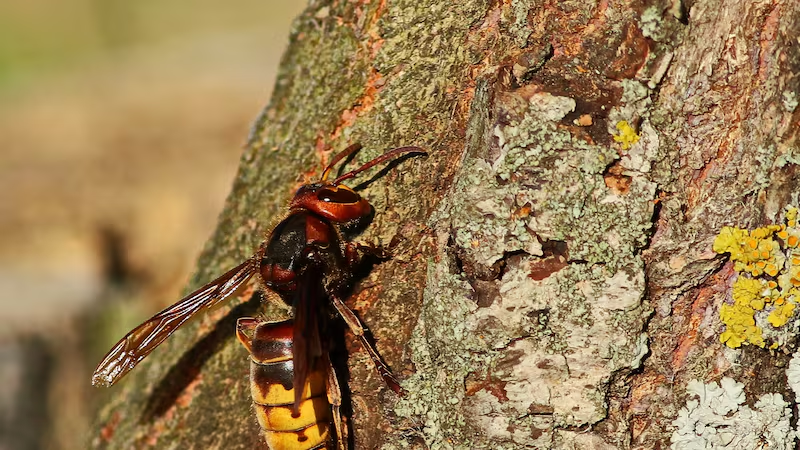
Incidents involving hornet attacks are not new in Asia. Every year, dozens of deaths occur in rural areas where forests, farmland, and mountainous terrain intersect with hornet habitats. In recent years, populations of Asian hornets have also begun appearing in parts of Europe, including the UK and Spain, leading to increased monitoring efforts by environmental and agricultural authorities. The spread of these hornets raises concerns not only for human safety but also for ecological impact, as they are known to prey on honeybees, posing risks to local beekeeping and pollination systems.
In the aftermath of this tragedy, discussions have emerged about the need for better safety protocols at adventure parks and nature tourism sites. While many resort operators attempt to ensure trails and treetop structures are inspected regularly, hornet nests can appear quickly and often go unnoticed until disturbed. Adventure tourism companies may begin adopting more rigorous pre-tour scanning procedures and emergency response training to minimize the risk of similar incidents occurring.
The story of Daniel Owen and Cooper is a heartbreaking reminder of how unpredictable nature can be and how moments intended for joy and exploration can turn into unimaginable loss. For many who knew the pair, their memory will be associated not with the tragedy itself but with the compassion, curiosity, and connection they brought into the lives of others. Their passing leaves behind grieving family, friends, colleagues, and students across countries and continents—each carrying forward a piece of their legacy.