
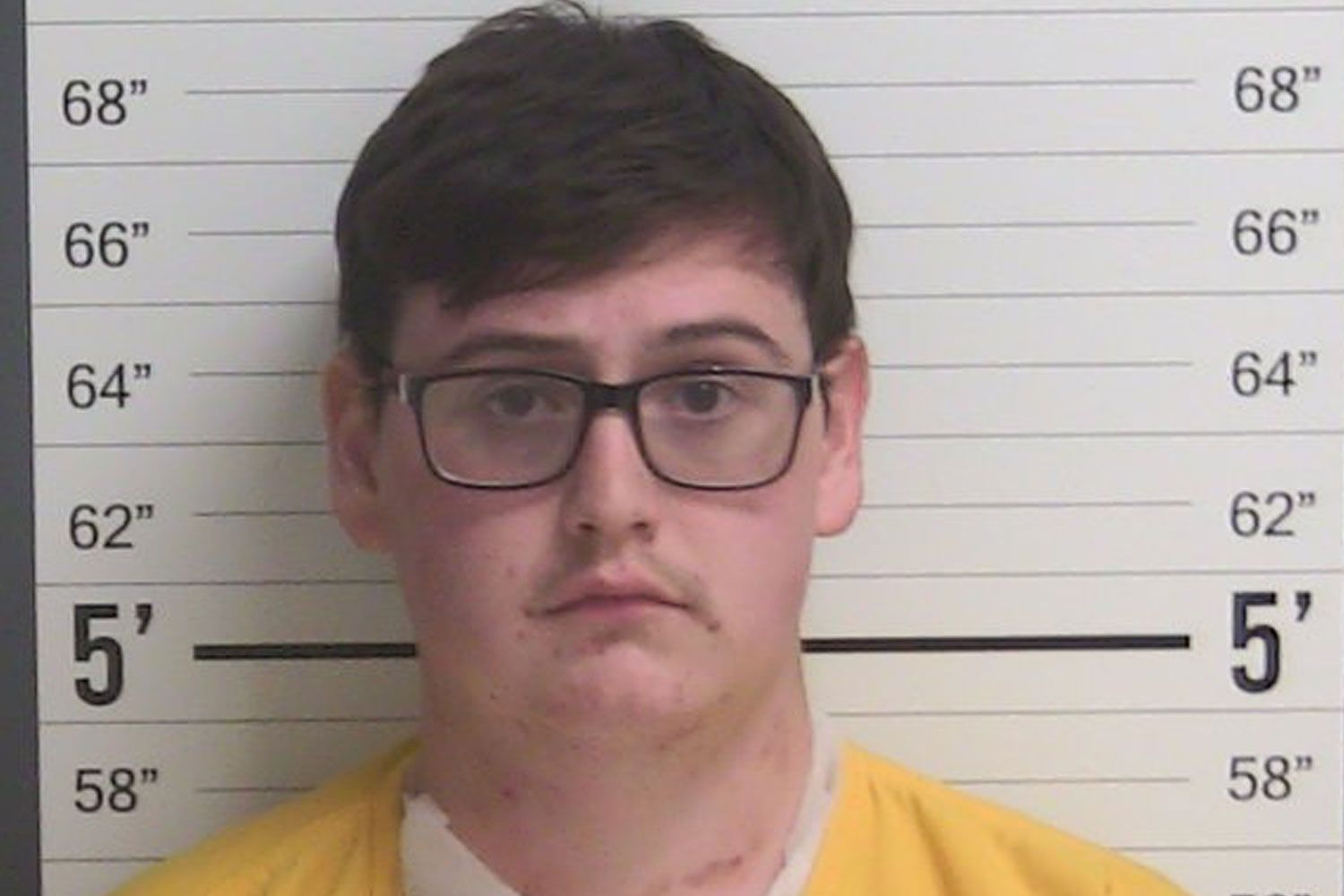
A criminal case unfolding in Clovis, New Mexico, has drawn national attention after authorities accused a teenager of orchestrating the killing of his own father and stepmother in a plot allegedly motivated by financial gain. According to court documents and police statements, investigators believe 19-year-old Darren Munoz arranged for a friend to carry out the murders so that he could inherit money he believed his father possessed. The case has raised serious questions about premeditation, deception, and the role of financial assumptions in violent crime, while also highlighting how digital evidence and witness testimony can unravel an alleged conspiracy.
Oscar Munoz, 58, and his wife Dina Munoz, 71, were found shot inside their Clovis home in the early morning hours of December 15. Police say the circumstances surrounding the discovery of their bodies, combined with inconsistencies in Darren Munoz’s statements and evidence gathered during the investigation, led to charges that include first-degree murder, conspiracy to commit murder, and criminal solicitation. Another teenager, 18-year-old Julio Zamora, is accused of carrying out the shootings and faces similar murder and conspiracy charges. Both have pleaded not guilty.
Discovery of the Crime and Initial Police Response
Police were dispatched to the Munoz residence shortly before 5 a.m. on December 15 following a 911 call reporting a burglary in progress. When officers arrived, they found the garage door open, a detail that initially appeared consistent with a possible break-in. Darren Munoz, who was at the home, told officers that everything had been fine earlier, according to the arrest warrant affidavit. However, investigators would later describe his behavior and statements as suspicious from the outset.
As officers began assessing the situation, one of them indicated an intention to check on Munoz’s parents inside the house. Darren Munoz allegedly attempted to discourage this by stating that his parents were sleeping nude and implying that entry would be inappropriate. Despite this hesitation, he eventually led the officer into the home and toward his parents’ bedroom. According to the affidavit, Munoz entered the room alone and then emerged with blood on his hands.
Officers then entered the bedroom and discovered Oscar and Dina Munoz had been shot. Dina Munoz was pronounced dead at the scene. Oscar Munoz was still showing signs of life despite suffering a gunshot wound to the head, but he later died from his injuries. The violent scene immediately shifted the investigation away from a routine burglary call and toward a homicide inquiry.
In the hours that followed, Darren Munoz gave investigators an account of the previous days that authorities later said did not align with evidence. He claimed his parents had spent the weekend in San Antonio celebrating their anniversary and that he had stayed home alone. According to his statement, they returned home with food, and he went to bed between 9 and 10 p.m., later waking up after hearing the garage door alarm.
Read : Exploring Asia’s Top Ten Tantalizing Hill Stations
Investigators noted discrepancies regarding the 911 call. Munoz initially denied calling emergency services, but police records showed that he had in fact placed the call. When confronted with this information, he allegedly admitted to making the call and reporting a burglary. Police say this inconsistency became one of several red flags as they continued to examine his account of events.
Alleged Planning, Motive, and Witness Accounts
As the investigation progressed, police began uncovering information suggesting the killings were not spontaneous or the result of an unknown intruder, but rather the outcome of an alleged plan developed over weeks or months. According to the affidavit, an acquaintance of Darren Munoz and his girlfriend contacted authorities to report that there had been discussions about killing Munoz’s parents well before the night of the shootings.
This acquaintance claimed that Darren Munoz wanted to take over his parents’ belongings and finances and that murder was discussed as the means to achieve that goal. The affidavit states that the acquaintance also alleged a plan involving trading an AR-style rifle for a ghost gun or a pistol without a serial number, weapons that are difficult to trace and frequently cited in criminal investigations involving firearms.
Darren Munoz’s girlfriend later provided investigators with an account that reinforced the alleged financial motive. According to police, she stated that Munoz wanted his father’s money and that Julio Zamora agreed to kill Oscar and Dina Munoz in exchange for payment once Darren received the inheritance. Investigators noted that Munoz believed his father owned a convenience store franchise and that, if his parents were dead, the money would pass to him.
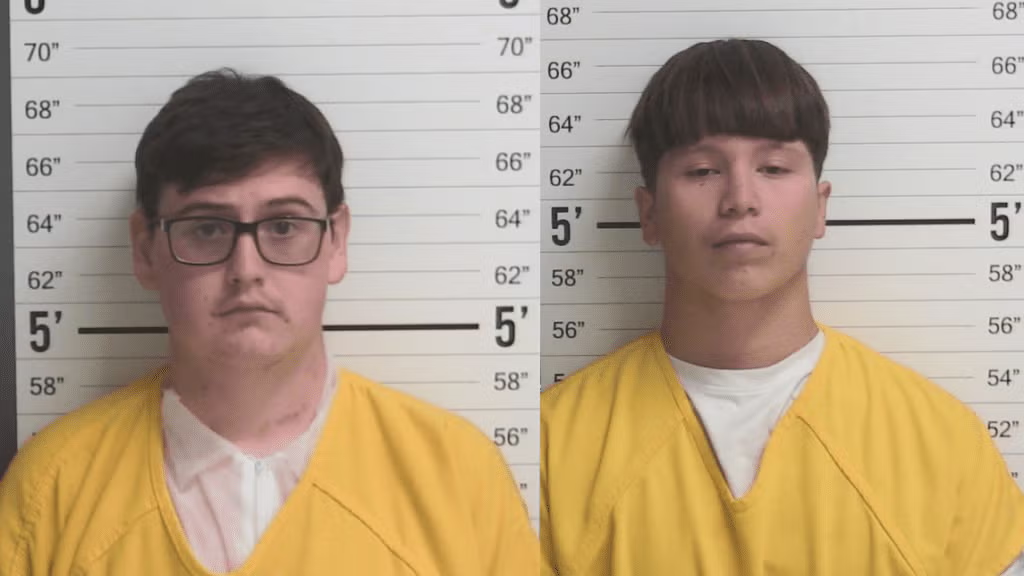
The affidavit outlines what police say was the alleged plan for the killings. Zamora was supposed to enter the home through the garage and then shoot Oscar and Dina Munoz while they were in bed. Authorities allege that Darren Munoz played a coordinating role, providing information about his parents’ movements and ensuring that Zamora knew when they would be home. Digital evidence became a key part of the case.
While executing a search warrant on Darren Munoz’s phone, investigators allegedly found messages exchanged between Munoz and Zamora. In one conversation, Munoz reportedly told Zamora that his parents were not home yet but were on their way. According to the affidavit, Munoz also told Zamora that his parents would notify him when they were returning and that he would relay that information. Home security footage further added to the case against Munoz. Police say video showed him hiding a pistol in his waistband around 5 p.m. on the evening before the killings.
Investigators interpreted this as evidence that Munoz anticipated violence or was preparing for events later that night. Julio Zamora was arrested after police located him leaving his home. According to authorities, he was allegedly in possession of a ghost gun at the time of his arrest. This detail aligned with earlier statements from witnesses about efforts to obtain an untraceable firearm, strengthening investigators’ belief that the killings were planned rather than impulsive.
Charges, Legal Proceedings, and Broader Implications
Based on the evidence gathered, Darren Munoz was charged with two counts of first-degree murder, conspiracy to commit murder, and criminal solicitation. Julio Zamora faces two counts of first-degree murder and conspiracy to commit murder. Both teenagers are being held at the Curry County Adult Detention Center, and both have entered not guilty pleas.
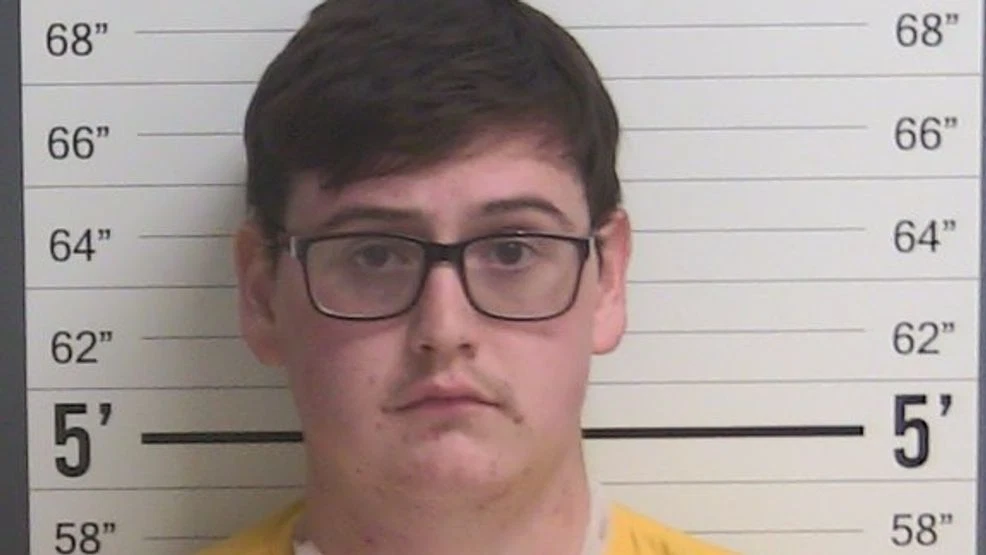
Darren Munoz is scheduled to appear in court on December 22, while Zamora’s hearing is set for December 23. As the case moves forward, prosecutors are expected to rely heavily on digital communications, witness testimony, and surveillance footage to establish intent, coordination, and motive. Defense attorneys, meanwhile, are likely to challenge the credibility of witnesses, the interpretation of digital evidence, and the conclusions investigators have drawn about inheritance and financial expectations.
The case underscores the role that perceived financial gain can play in violent crime, particularly when assumptions about inheritance are involved. Investigators allege that Darren Munoz believed he would receive a large sum of money following his parents’ deaths, though court records do not indicate whether those beliefs were accurate. Legal experts often note that misunderstandings about inheritance law and asset ownership can fuel misguided motives, especially among younger defendants with limited financial knowledge.
The involvement of ghost guns has also drawn attention, as such weapons are increasingly cited in criminal cases due to their lack of serial numbers and difficulty to trace. Law enforcement agencies across the country have raised concerns about the accessibility of these firearms and their appeal to individuals seeking to avoid detection.
Beyond the legal ramifications, the case has had a significant impact on the Clovis community. The violent deaths of two residents, allegedly at the hands of someone they trusted, have prompted discussions about youth crime, mental health, and the influence of peer relationships in extreme decision-making. Authorities have emphasized that the investigation is ongoing and that additional details may emerge as the case proceeds through the court system.
For now, the focus remains on the judicial process and ensuring that the evidence is examined thoroughly and fairly. As with all criminal cases, the charges represent allegations, and both defendants are presumed innocent until proven guilty in a court of law. The coming months are expected to bring further scrutiny to the events leading up to December 15 and to the complex web of relationships and decisions that investigators say culminated in a deadly outcome.