
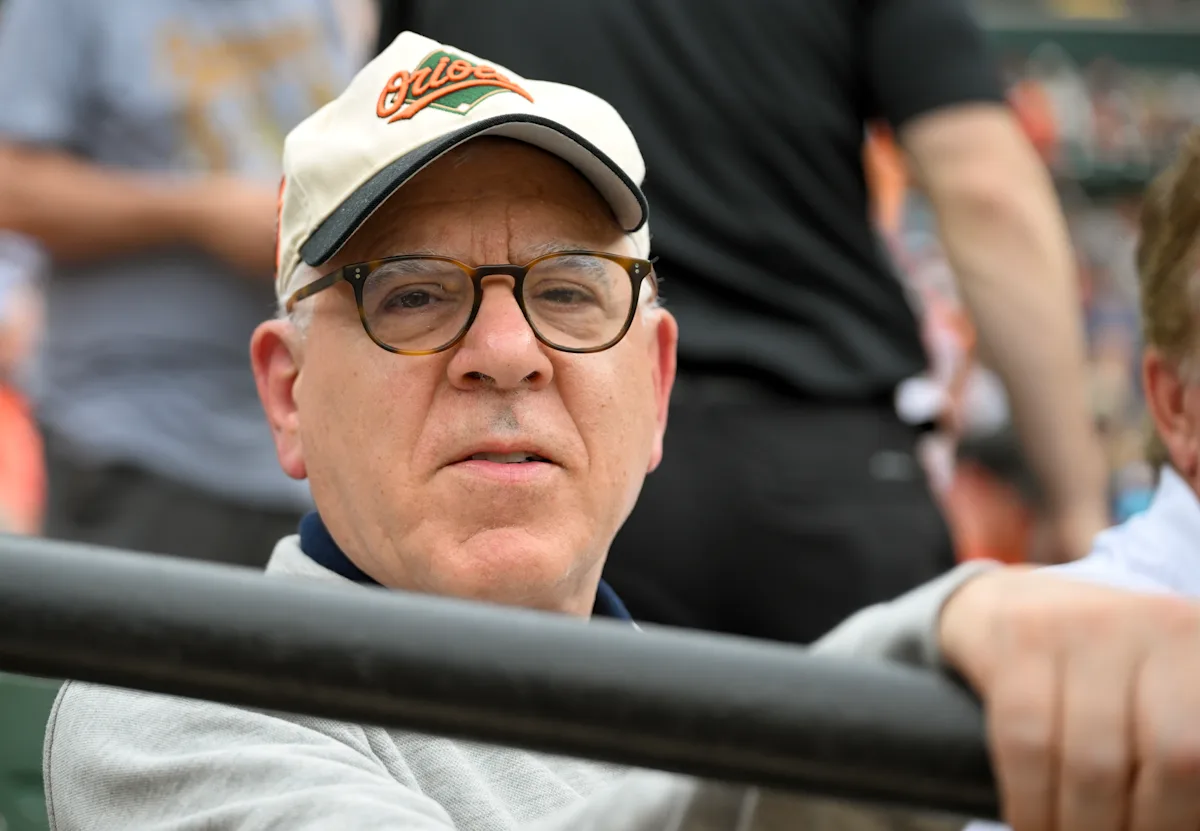
The appearance of prominent business and sports figures in newly discussed Epstein-related records has drawn public attention to individuals whose names surfaced in connection with the late financier’s social and professional network. Among them is David Rubenstein, a billionaire investor and philanthropist who owns the Baltimore Orioles. According to official information, Rubenstein is not accused of wrongdoing and is referenced in connection with a single meeting that took place in 2012.
Even so, the renewed focus on anyone mentioned in the wider orbit of the Epstein investigation has prompted fresh public curiosity about David Rubenstein’s background, influence, and long-standing role in finance, philanthropy, and professional sports ownership. Understanding who he is requires looking beyond a single meeting or document reference and examining the decades-long career that made him one of the most recognizable figures in American private equity and civic life.
Early Life, Education, and Rise in Finance
David Rubenstein’s professional trajectory reflects a path shaped by education, government service, and eventually a defining role in global finance. Born in Baltimore, Maryland, he grew up in a middle-class household and developed early academic ambition. He attended Duke University and later the University of Chicago Law School, where he prepared for a career that initially focused on public service rather than private investment.
His early work in Washington placed him in the orbit of policymaking during a formative period in American political life. Rubenstein served in the administration of President Jimmy Carter, working in domestic policy roles that exposed him to national economic and regulatory structures. While this phase of his career was relatively brief, it proved influential, shaping both his understanding of markets and his network of professional connections.
After leaving government, Rubenstein transitioned into the private sector, where he would eventually help reshape one of the most powerful segments of modern finance: private equity. In 1987, he co-founded The Carlyle Group, which began as a modest investment firm but rapidly expanded into a global powerhouse. Carlyle’s strategy focused on acquiring and managing companies across industries ranging from aerospace and defense to healthcare, technology, and infrastructure. Over time, the firm grew into one of the world’s largest and most influential private equity institutions, managing vast pools of capital and working with institutional investors across continents.
David Rubenstein’s role within Carlyle made him widely known as a central architect of the modern buyout era. His leadership style combined aggressive investment strategy with a strong emphasis on relationships, networking, and strategic positioning. Under his guidance and alongside his co-founders, the firm built a reputation for large-scale acquisitions and global reach.
Read : BJ’s Restaurant & Brewhouse Files Chapter 11 Bankruptcy
Alongside his financial success, David Rubenstein cultivated a parallel identity as a philanthropist and public intellectual. He became known for donating large sums to cultural institutions, historical preservation efforts, universities, and public monuments. His contributions helped fund restoration projects and educational initiatives across the United States, reinforcing his public image as both financier and civic benefactor.
Read : German City Temporarily Renamed “Swiftkirche” to Honor Taylor Swift
This combination of government experience, private equity leadership, and high-profile philanthropy established David Rubenstein as a figure whose influence extended well beyond business. By the time he entered the world of professional sports ownership decades later, he had already spent years shaping global investment markets and supporting national cultural institutions.
Ownership of the Baltimore Orioles and Public Profile
David Rubenstein’s entry into Major League Baseball ownership represented both a personal and symbolic milestone. In 2024, he became the principal owner of the Baltimore Orioles, a franchise deeply tied to the identity of his hometown. The acquisition marked a shift from financial markets into one of America’s most visible cultural arenas: professional sports.
Owning a Major League Baseball team carries both prestige and scrutiny. Sports franchises function as community institutions as much as businesses, and Rubenstein’s purchase of the Orioles was widely viewed as a homecoming. The team had long been an integral part of Baltimore’s civic identity, and local reaction often emphasized the symbolic importance of a Baltimore-born businessman taking control of the franchise.
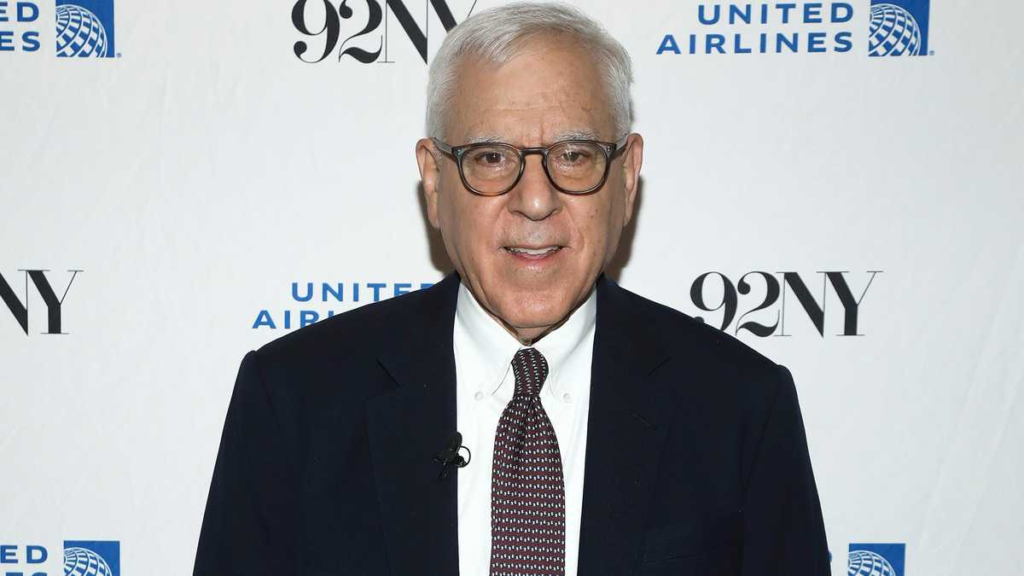
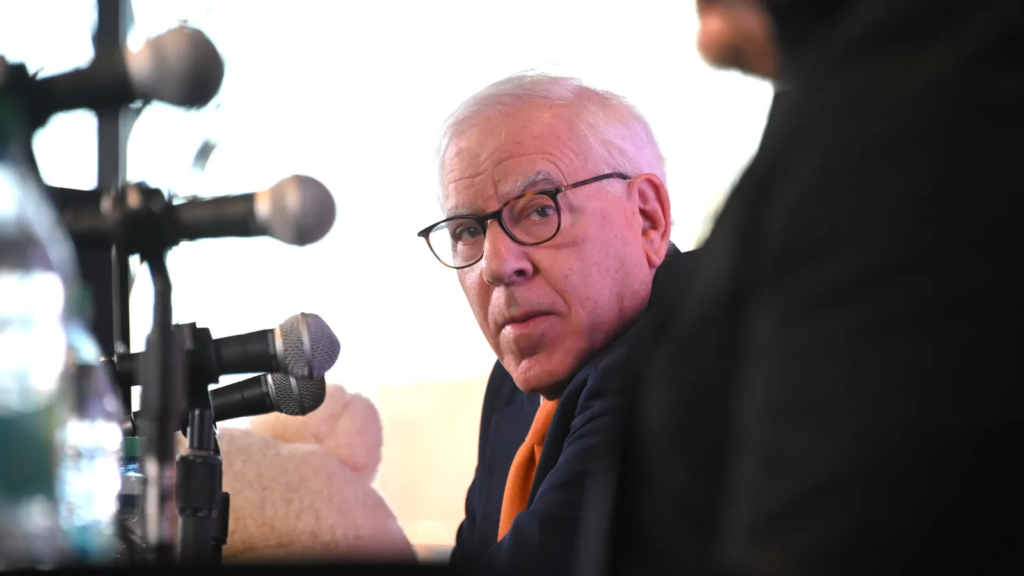
David Rubenstein’s public persona differs from many private equity leaders in that he has embraced visibility. He frequently appears in interviews, moderates discussions with global leaders, and participates in public forums on economics, history, and philanthropy. His role as a media host and interviewer has further reinforced his reputation as a figure comfortable in both financial and public discourse.
Beyond sports ownership, Rubenstein serves on numerous boards and advisory groups across cultural, educational, and policy organizations. His philanthropic giving has supported institutions ranging from museums and libraries to universities and memorial restoration projects. This pattern of civic involvement has helped define his broader public identity as a businessman who also invests heavily in public heritage and national culture.
His visibility, wealth, and institutional connections mean that when his name appears in any major investigative context, it naturally draws attention. Public interest is heightened not only because of the seriousness of the Epstein case but also because Rubenstein is a widely recognized public figure with extensive influence across multiple sectors.
Context of His Name Appearing in the Epstein Files
The reference to Rubenstein within materials connected to Jeffrey Epstein stems from documentation reviewed in connection with federal investigations and related records. According to information from the Department of Justice, Rubenstein met Epstein once in November 2012. The meeting reportedly took place in an office setting and lasted about twenty minutes. An email exchange indicated that the two attempted to schedule a second meeting later that month, but it did not occur.
A spokesperson for Rubenstein stated that the meeting took place at the request of individuals who hoped to involve him in philanthropic initiatives, none of which ultimately moved forward. The same communication also referenced a potential meeting involving Ehud Barak, which likewise never happened. The statement emphasized that the interaction was brief and did not lead to any continuing relationship.
Understanding why such references attract attention requires examining the broader scope of the Epstein investigation. The case first drew significant law-enforcement scrutiny in 2005 after allegations surfaced in Palm Beach involving underage victims. Police eventually identified dozens of individuals who reported similar experiences. Epstein later served a jail sentence following a controversial plea agreement that drew widespread criticism.
Years later, renewed reporting by Miami Herald prompted federal prosecutors in New York to reopen investigative efforts. Epstein was arrested in July 2019 and died in custody the following month. Subsequent legal proceedings also led to the conviction of Ghislaine Maxwell, who was sentenced to prison after being found guilty of helping recruit and exploit victims.
Because Epstein maintained connections across business, finance, academia, and politics, numerous public figures have appeared in various records documenting meetings, travel, or social interactions. Being named in such files does not necessarily indicate criminal conduct, and authorities have distinguished between individuals accused of wrongdoing and those referenced through incidental contact or documented meetings.
In Rubenstein’s case, official statements emphasize that he is not accused of any criminal behavior and that his interaction with Epstein was limited. Nonetheless, the high level of public interest surrounding the Epstein investigation ensures that even brief or indirect connections receive significant scrutiny.
For prominent individuals with extensive professional networks, historical records of meetings can reemerge years later as part of broader investigative disclosures. The inclusion of a name may reflect documented contact rather than any legal finding, but public attention often centers on the association itself, especially when the individual involved holds positions of influence in finance, philanthropy, or professional sports.
The renewed focus on Rubenstein therefore reflects both the continuing public examination of the Epstein case and the broader visibility of figures who operate at the highest levels of economic and civic life. His career spans government service, global private equity leadership, major philanthropic contributions, and ownership of a Major League Baseball franchise. The reference to a single meeting in 2012 exists within that much larger context of public prominence and institutional influence.
BRBetCasinoOnline is pretty decent. The online version works well on my phone, so I can play anywhere. Give brbetcasinoonline a try!
Golo777game’s got a few games that I’m really diggin’. Good place to kill some time, ya know? Head over to golo777game for some chill entertainment.
Alright, tried ZK688 and it’s not bad. Got some interesting slots. If you’re curious, check it out at zk688. Could be your new lucky spot!