

David Walliams has long occupied a prominent position in British popular culture, balancing a successful career in television comedy with extraordinary commercial success as a children’s author. For more than a decade, his books have dominated bestseller lists in the UK and abroad, often positioned as modern classics for young readers.
That reputation, however, has been thrown into sharp focus following reports that HarperCollins UK, his longtime publisher, has decided not to publish any new titles by the author after investigating allegations involving junior staff. The decision, confirmed by the publisher, has prompted renewed scrutiny of Walliams’ career, his influence in children’s publishing, and the broader implications for the industry when high-profile figures face serious workplace-related claims.
David Walliams’ Rise From Television Comedy to Children’s Publishing Phenomenon
David Walliams first became a household name in the early 2000s through his work on British television, most notably as one half of the comedy duo behind Little Britain, alongside Matt Lucas. The sketch show achieved immense popularity, drawing large audiences and sparking debate for its exaggerated characters and satirical tone. Walliams’ on-screen persona, often provocative and deliberately controversial, made him a recognisable figure far beyond comedy circles, cementing his place in British entertainment.
His transition into children’s literature marked a significant shift in public perception. In 2008, Walliams published his debut novel The Boy in the Dress, a story aimed at younger readers that explored themes of identity, friendship, and acceptance. The book was well received and signalled the start of a prolific second career. Over the years that followed, Walliams released a steady stream of children’s novels, many illustrated by Tony Ross, that combined humour with emotional storytelling.
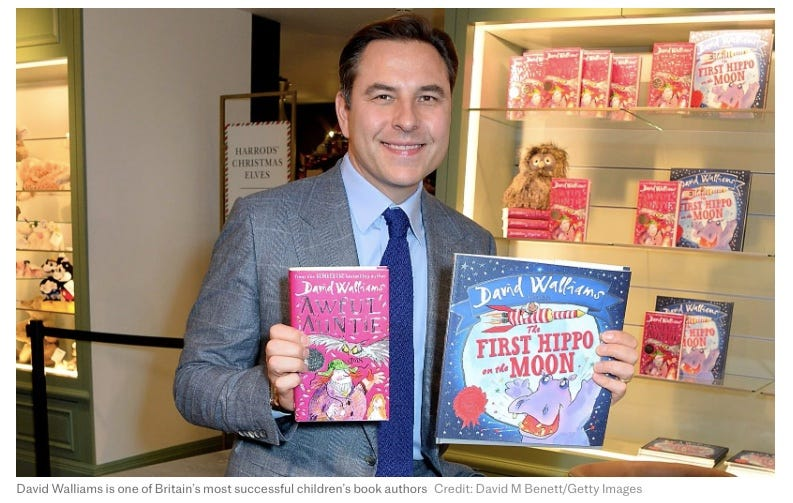
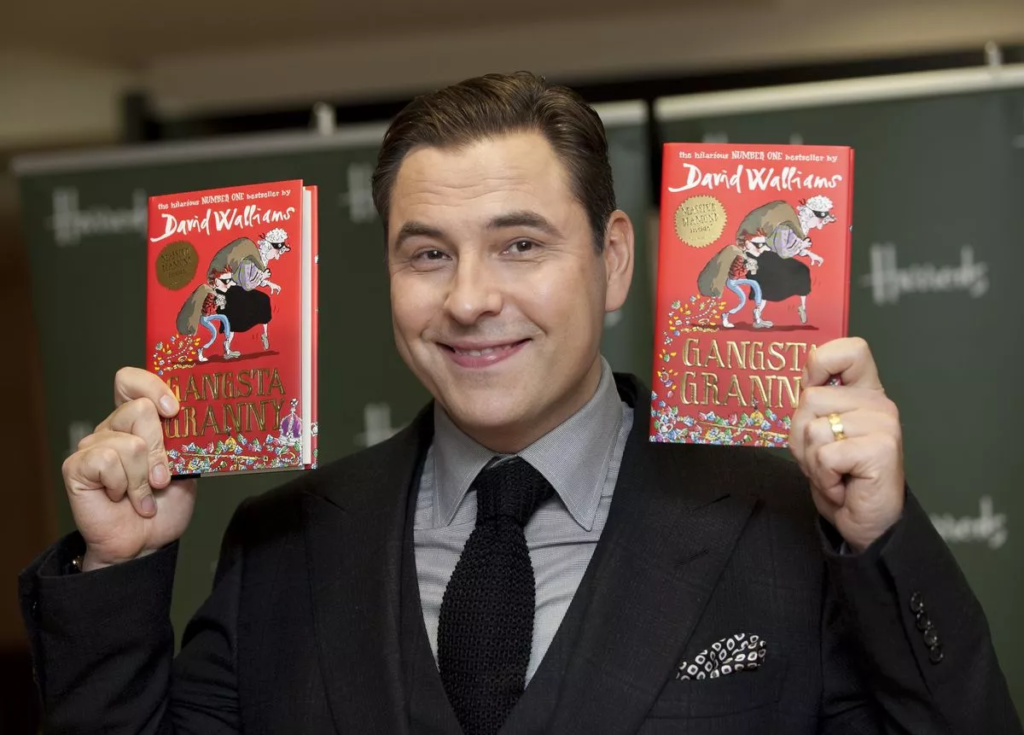
Titles such as Billionaire Boy, Gangsta Granny, Mr Stink, and Ratburger became staples in school libraries and bookshops, frequently promoted as accessible alternatives for children reluctant to read. Commercially, Walliams’ success has been remarkable. He has sold more than 60 million books worldwide, with his works translated into 55 languages. In the UK, his books regularly appeared among the top-selling children’s titles each year, particularly during the Christmas period.
Read : Amazon Delivery Driver Allegedly Steals Diane Huff-Medina’s Cat After Dropping Off Package
Retailers often compared his market dominance to that of J.K. Rowling at her peak, and his releases were treated as major publishing events. For HarperCollins UK, Walliams represented not only a bestselling author but also a reliable commercial force in a highly competitive market. Beyond sales, Walliams’ influence extended into education and literacy campaigns.
Read : 9 Pillars of Light Appear in the Sky Over Japan in Extremely Rare Phenomenon
His books were frequently used in schools, and he became a visible advocate for children’s reading through public appearances and charity work. This carefully cultivated image of a storyteller dedicated to young audiences stood in contrast to the edgy humour of his television career, allowing him to occupy a unique dual role in British culture. It is against this backdrop of success and trust that the recent decision by HarperCollins UK carries particular weight.
The HarperCollins UK Decision and Allegations Reported by the Daily Telegraph
The decision by HarperCollins UK to stop publishing new titles by David Walliams was reported following an investigation into claims that he had harassed some junior female employees. According to the Daily Telegraph, the publisher examined concerns raised by staff, with sources indicating that at least one woman who brought forward allegations later left the company after receiving a five-figure payoff. The newspaper further reported that, after the investigation, measures were taken to keep some junior staff away from the author.
HarperCollins UK confirmed its position in a statement provided to the Daily Telegraph, making clear that the decision was made after careful consideration and under the leadership of its new chief executive, Kate Elton. The publisher stated that it would not publish any new titles by Walliams and that the author had been informed of the decision. While the statement did not address the specific allegations in detail, it emphasised the company’s commitment to employee wellbeing and the existence of internal processes for reporting and investigating concerns. The publisher also noted that it does not comment on internal matters in order to respect the privacy of individuals involved.
The handling of the situation reflects the cautious approach often taken by large publishing houses when dealing with sensitive workplace issues involving high-profile authors. HarperCollins UK, as the British division of the global publishing group owned by News Corp, operates within an environment where reputational risk is significant. The decision not to continue publishing new works by Walliams effectively distances the company from future association with the author, even as it avoids making public judgments about the substance of the allegations.
Walliams’ representatives did not immediately respond to requests for comment from Reuters, leaving many questions unanswered. The absence of a public response from the author or his team has contributed to uncertainty around his future in publishing and the extent to which other publishers might be willing to work with him. While HarperCollins UK has not indicated that it will withdraw existing titles from sale, the refusal to commission new books represents a decisive shift in a relationship that had been commercially fruitful for many years.
The timing of the decision is also notable. Kate Elton was appointed chief executive of HarperCollins UK in October, following the departure of Charlie Redmayne. Leadership changes often bring renewed emphasis on corporate culture and internal accountability, and the Walliams case appears to have been addressed within that context. For employees, the public acknowledgement that concerns were taken seriously may be seen as a signal of changing priorities within the organisation.
Implications for Walliams, HarperCollins, and the Wider Publishing Industry
The fallout from HarperCollins UK’s decision extends beyond the immediate relationship between publisher and author. For David Walliams, the loss of his primary UK publishing partner raises questions about the sustainability of his children’s writing career at its previous scale. While his existing catalogue remains enormously popular, children’s publishing relies heavily on regular new releases to maintain visibility and market dominance.
Without the backing of a major publisher like HarperCollins UK, future projects may face significant hurdles, both commercially and reputationally. For HarperCollins UK, the situation underscores the complex balance between commercial success and workplace responsibility. Walliams’ books have been a major source of revenue, and the decision to forgo future titles is unlikely to have been taken lightly.
However, in an industry increasingly shaped by discussions around power dynamics, harassment, and employee protection, publishers are under pressure to demonstrate that internal concerns are not overshadowed by profit considerations. By publicly confirming its decision while limiting commentary on internal findings, HarperCollins UK has attempted to navigate this balance carefully. The case also highlights broader shifts within the publishing industry.
Over the past decade, there has been growing attention to how authors, agents, and publishers interact behind the scenes, particularly when fame and influence create imbalances. Junior employees, often early in their careers, may feel vulnerable when dealing with celebrated figures whose books generate substantial income. Reports that some staff were kept away from Walliams following the investigation suggest that publishers are increasingly willing to implement protective measures, even when dealing with bestselling authors.
More broadly, the Walliams situation reflects changing expectations around accountability. Public figures who have built careers around family-friendly or educational content are now subject to scrutiny that extends beyond their work to their conduct within professional environments. For readers, parents, and educators, such revelations can complicate relationships with beloved books and authors, prompting difficult conversations about how to separate creative output from personal behaviour.
The long-term impact remains uncertain. Walliams’ global sales and established fan base mean that his existing books will likely continue to circulate widely, at least in the short term. Whether he will find another major publisher willing to invest in new titles, or whether he will pursue alternative publishing routes, is yet to be seen. For HarperCollins UK, the decision marks a clear statement about its internal values at a moment of leadership transition.
Ultimately, the episode serves as a reminder of the evolving standards within cultural industries. Success and popularity no longer provide insulation from scrutiny, and institutions are increasingly expected to act decisively when concerns are raised. As the publishing world watches closely, the Walliams case may come to be seen as part of a broader reckoning over power, responsibility, and the treatment of employees behind the pages of bestselling books.