
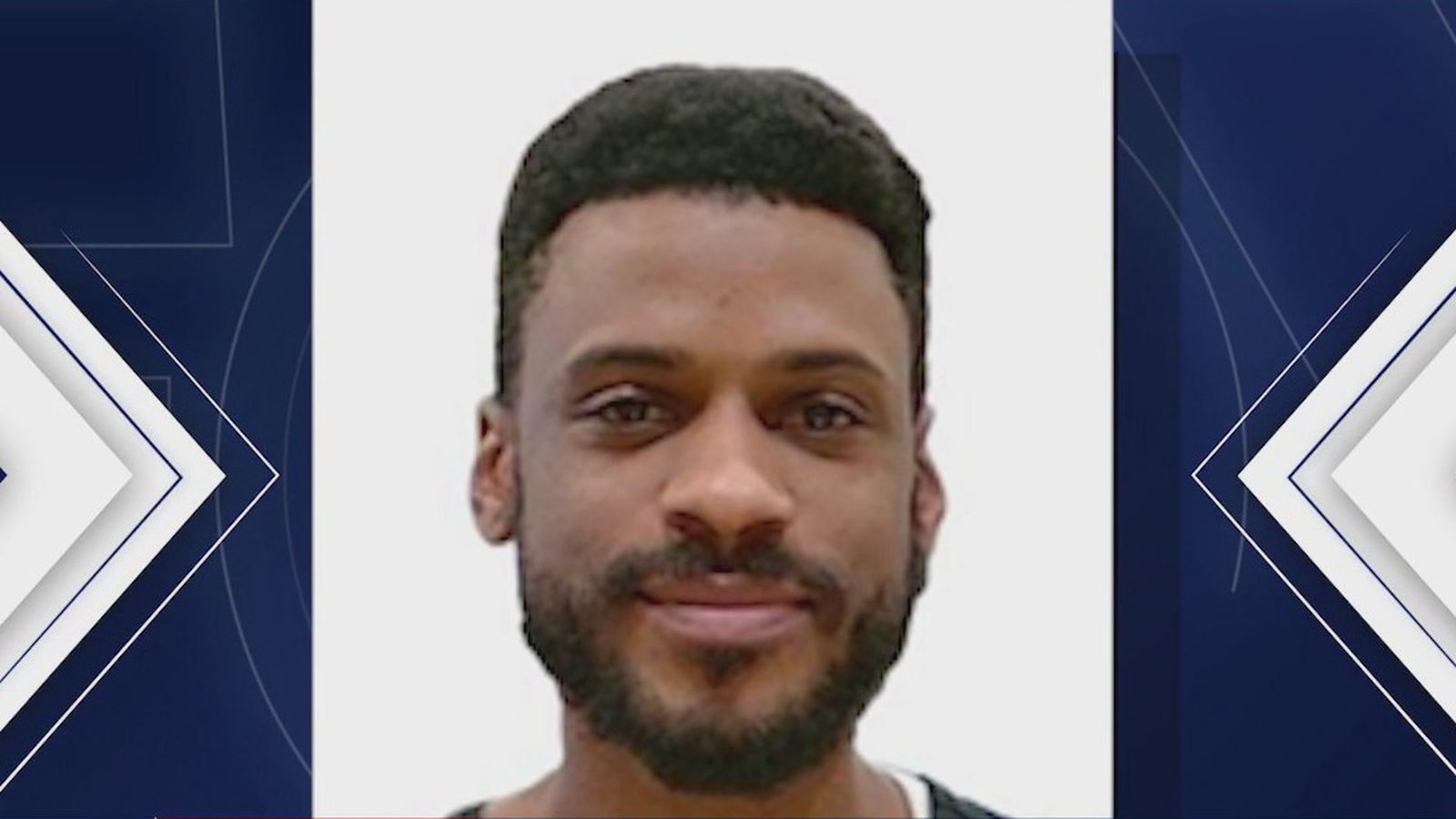
The arrest of 33-year-old Los Angeles resident Davionne Jackson has drawn renewed attention to the dangers of online impersonation and predatory behavior that exploits the anonymity and trust associated with digital communication. According to the Los Angeles Police Department, Jackson allegedly spent years presenting himself online as a well-known R&B singer in order to gain the confidence of women, meet with them in person, and then sexually assault them.
His arrest in Pleasant Prairie, Wisconsin—over 2,000 miles from his home—has also raised questions about whether his alleged activities extended across state lines and how many victims may still be unidentified. After being extradited back to California, Davionne Jackson was booked on an outstanding sexual assault warrant, and detectives now believe additional victims may come forward as news of the case spreads.
The unfolding investigation highlights both the evolving challenges law enforcement faces in tracking crimes facilitated by social media and dating platforms and the emotional and psychological impact such impersonation-based coercion can have on its victims.
Allegations of Impersonation and Assault
Investigators say that Davionne Jackson’s alleged pattern of behavior centered on misrepresenting himself as a successful figure in the music industry. While authorities have not disclosed the specific artist he claimed to be, they noted that he created a persona designed to convince women that he enjoyed fame, wealth, and social status. By presenting false images of success and cultural influence, Jackson allegedly used this manufactured credibility to initiate online conversations, build rapport, and gain access to his victims.
The Los Angeles Police Department stated that this tactic had reportedly been used by Davionne Jackson for an extended period of time, suggesting that the misconduct may span several years. The pattern described by investigators reflects a broader category of crimes in which perpetrators use online personas to manipulate victims into entering situations where their physical safety is compromised. In Jackson’s case, the alleged assaults did not involve random encounters but rather were predicated on calculated trust-building and the promise of connection with someone the victims believed to be a celebrity.
Such an approach can leave survivors not only dealing with the immediate trauma of sexual assault but also with the compounded emotional harm of betrayal, deception, and humiliation. The LAPD’s public statements indicate that the department had been searching for Davionne Jackson and that a warrant for his arrest had already been issued before authorities located him in Wisconsin.
His detention occurred in Pleasant Prairie, a town located south of Milwaukee, suggesting that he may have traveled widely and potentially expanded his misleading persona across multiple regions. Law enforcement has not yet publicly provided information about why Jackson was in Wisconsin at the time of his arrest or how long he may have been there. However, his ability to move across state lines raises additional investigative questions, including whether any incidents may have occurred outside California.
Read : South Korea’s Captivating Selfie Spots: Top Ten Destinations to Strike a Pose
After being taken into custody, Davionne Jackson was booked at Men’s Central Jail in Los Angeles and is being held without bail. NBC 4 Los Angeles reported that he is expected to appear in court later in the month, though it remains unclear whether he has obtained legal representation. Prosecutors will likely present evidence not only regarding individual allegations but also regarding the broader pattern of impersonation and predatory conduct described by police.
Search for Additional Victims
One of the most significant aspects of this case, according to the LAPD, is the belief that there may be additional victims who have not yet come forward. Detectives have asked anyone with relevant information to contact the department directly. The number provided for the public to share information, 213-709-9017, indicates that investigators anticipate a potentially expanding scope to the case as more individuals recognize the name or the described behavior.
Victims of sexual assault involving deception or impersonation may hesitate to speak out for a variety of reasons. Some may believe they will not be taken seriously because they agreed to meet the perpetrator voluntarily. Others may feel embarrassment or guilt for having trusted the fabricated identity, even though responsibility lies solely with the person who committed the assault.

Additionally, when the perpetrator claims to be a public figure, victims may worry that their claims will be dismissed or seen as motivated by attention. These emotional and psychological barriers can delay reporting, allowing the perpetrator to continue the behavior unchecked. Law enforcement officials have emphasized that individuals manipulated into vulnerable situations through fraudulent identity are not at fault for the abuse committed against them.
The LAPD’s public messaging aims to reassure potential victims that they will be treated with respect and that their accounts are an important part of establishing a full record of events. Detectives are working to trace Davionne Jackson’s online activities to identify platforms and usernames he may have used, which could help confirm whether his alleged misconduct spans a wider timeline or community.
Cases involving online impersonation also present unique challenges when it comes to gathering evidence. Social media accounts may be deleted or altered, messages may be temporary or encrypted, and victims may not always preserve digital correspondence. However, investigators increasingly utilize forensic tools to recover data from devices and servers when building cases of this nature. It is likely that digital evidence will play a central role as prosecutors prepare for Jackson’s upcoming court proceedings.
The Broader Issue of Online Trust and Predatory Behavior
While the details surrounding Davionne Jackson’s alleged crimes are specific to this case, the circumstances reflect larger patterns of online exploitation seen in recent years. The prevalence of social media, dating apps, and digital messaging platforms has created new opportunities for individuals to connect, but it has also allowed perpetrators to assume identities with relative ease. The blend of authenticity and performativity inherent in online spaces makes it difficult for users to verify whether someone is who they claim to be, particularly when the persona appears to carry fame or influence.
Posing as a celebrity is not a new tactic, but the digital environment makes it significantly easier to construct convincing illusions. Public figures leave extensive online footprints that can be imitated, adapted, or manipulated. A person intent on fraud may use staged photos, edited screenshots, or vague references to industry relationships to convince others of their status. The psychological effect of perceived celebrity can further lower skepticism, leading individuals to overlook inconsistencies that might otherwise raise suspicion.
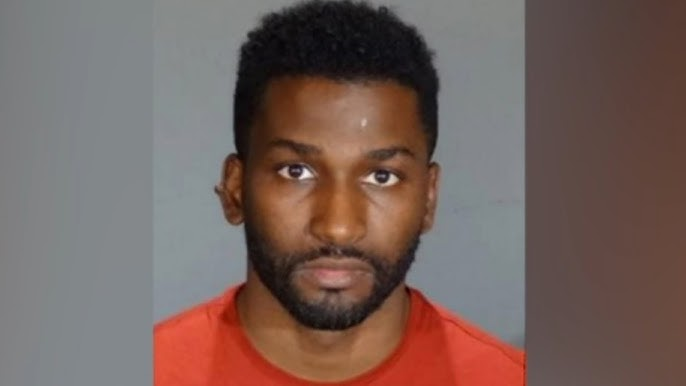
The emotional vulnerability and admiration that fame can evoke also heighten the risk for exploitation. A perpetrator does not need to convincingly resemble an artist or have genuine professional experience; they only need to create the perception of exclusivity, access, and interest. This dynamic is particularly dangerous when paired with private communication channels and promises of personal connection.
Law enforcement agencies across the country have been working to educate the public on how to recognize red flags associated with online impersonation. These warnings often include scrutinizing unverifiable claims of fame, cross-checking identities against official sources, not agreeing to private meetings without public verification, and being cautious of individuals who resist video communication or provide only fragmented details about their careers. However, even with increased awareness, deception remains a persistent risk in digital interaction.
The case involving Davionne Jackson provides an example of the ways predatory behavior can be masked behind fabricated personas. It also underscores the importance of support networks, reporting mechanisms, and investigative resources that allow victims to seek help and authorities to respond effectively. As the investigation continues, more information may surface about the scope of Jackson’s alleged misconduct and the full impact on those affected.
Investigators encourage anyone with knowledge of the case, whether they have direct experience or believe they may have encountered Jackson online, to contact the provided number. Their involvement could help establish a clearer record of events and ensure that legal action proceeds with as complete an understanding as possible.
Chính sách hoàn trả không giới hạn của xn88 game được đánh giá là cạnh tranh nhất thị trường, giúp tối ưu hóa lợi ích tài chính cho người chơi trong mỗi phiên cược. TONY03-18O