
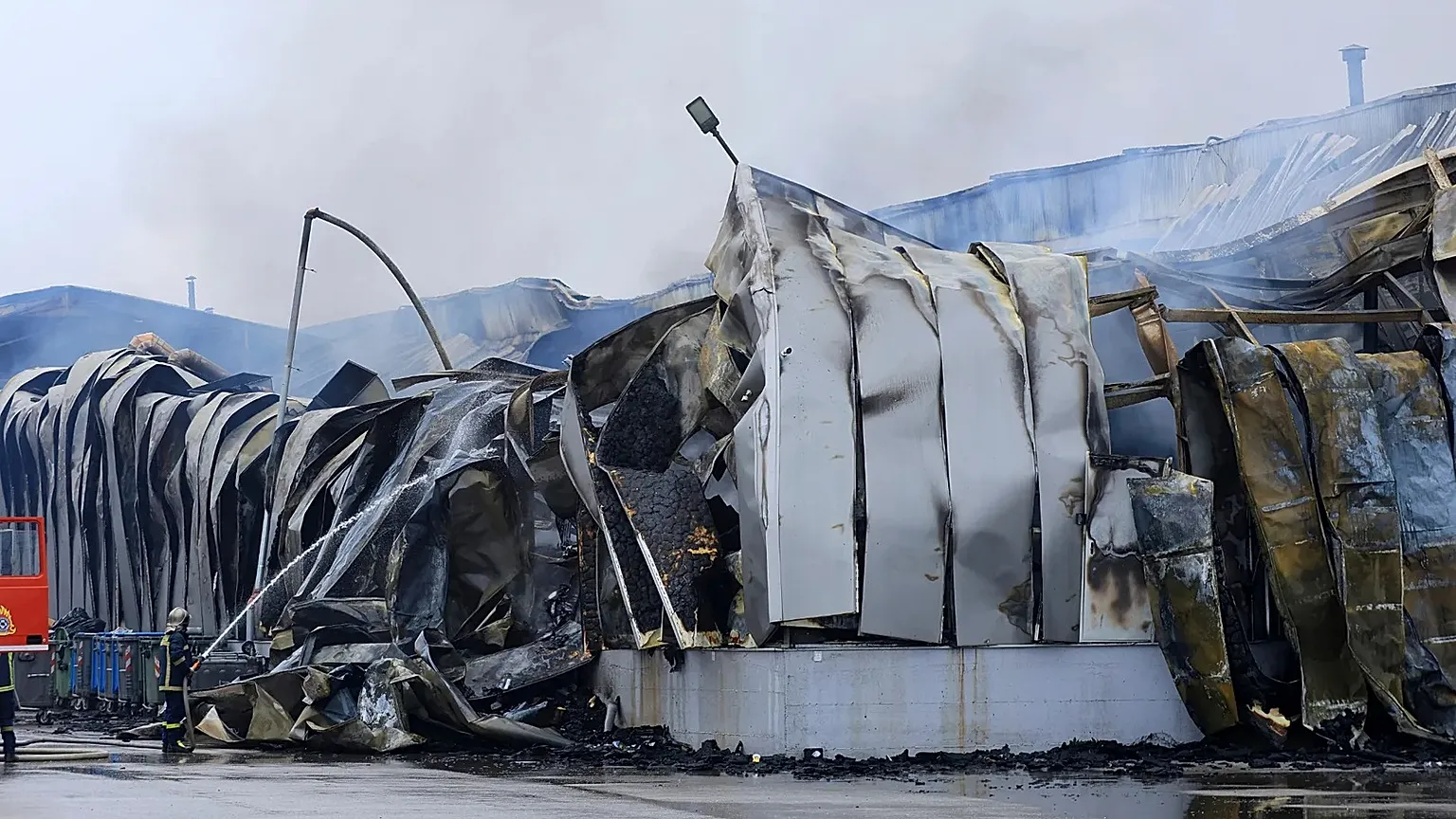
A deadly industrial disaster has shaken Greece after an explosion and subsequent fire tore through a food production facility near the central city of Trikala, killing at least four people and leaving one worker missing and presumed dead. The incident occurred in the early hours of Monday at a biscuit factory operated by Violanta, a well-known Greek food company. According to the country’s fire service and local officials, the blaze erupted during the night shift when 13 workers were present inside the building.
Eight workers managed to escape, while others were trapped as the explosion caused severe structural damage and ignited an intense fire that burned for hours. The tragedy has drawn national attention, prompted expressions of condolence from political leaders, and sparked a formal investigation into potential safety failures and the cause of the explosion, with early but unconfirmed reports pointing to a possible gas leak.
The scale of destruction, the loss of life, and the uncertainty surrounding the circumstances have raised serious questions about industrial safety standards and emergency preparedness in manufacturing facilities across the country. As firefighters continue their work and authorities begin piecing together the sequence of events, the incident stands as one of the most serious industrial accidents Greece has witnessed in recent years.
The Incident and Emergency Response
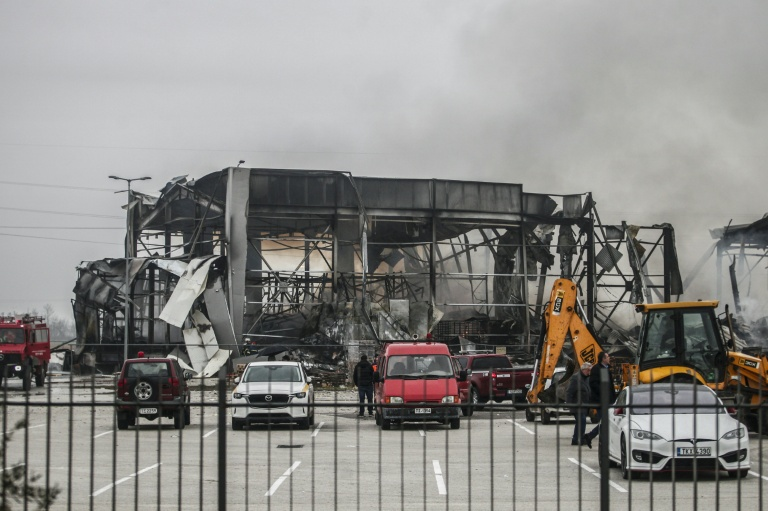
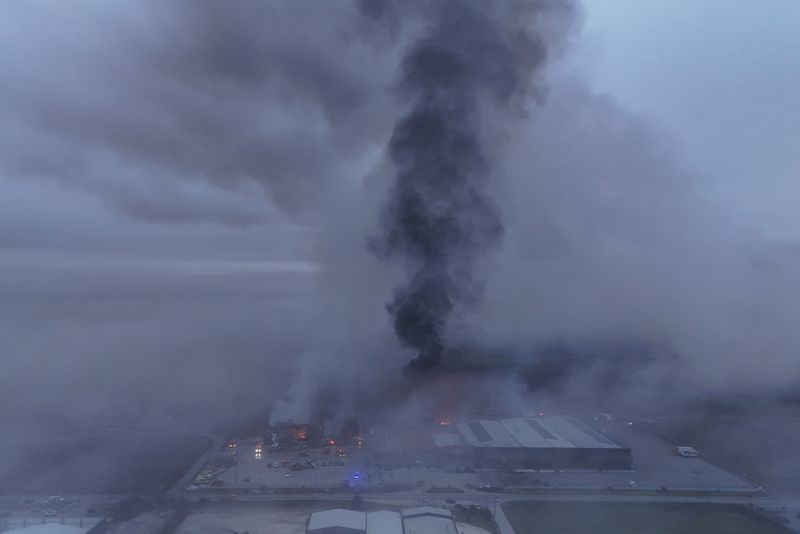
The explosion occurred shortly before dawn at the Violanta biscuit factory located near Trikala, a city in central Greece. Local media reported that the blast was powerful enough to severely damage the structure of the factory, effectively splitting the building in two. Television footage from the scene showed collapsed walls, twisted metal, shattered equipment, and thick plumes of smoke rising into the sky, underscoring the intensity of the fire that followed the initial explosion.
At the time of the incident, 13 workers were inside the facility, carrying out their duties during the night shift. According to emergency officials, eight of those workers were able to escape the building, some suffering injuries related to smoke inhalation. Tragically, at least four workers were killed in the blaze. One additional worker remains missing, though authorities have indicated that survival is highly unlikely due to the extreme conditions inside the factory following the explosion.
Giorgos Katavoutas, the deputy mayor of Trikala responsible for civil protection, told the BBC that there was no hope of finding the missing worker alive. He cited the sheer force of the explosion and the ferocity of the fire as factors that made survival impossible. His remarks reflected the grim reality facing rescue teams as they worked through the wreckage in dangerous conditions.
❗️⚠️🇬🇷 – A powerful explosion followed by a massive fire struck the Violanta biscuit factory near Trikala, central Greece, early Monday morning, claiming the lives of five female night-shift workers.
— 🔥🗞The Informant (@theinformant_x) January 26, 2026
The blast occurred around 4 a.m. local time at the facility, which was… pic.twitter.com/k8UoxxF9wM
The Greek fire service mounted a large-scale response to the emergency. More than 50 firefighters and 16 fire engines were dispatched to the scene in an effort to contain the blaze and prevent it from spreading further. Firefighters battled intense flames, heavy smoke, and unstable structures, all of which complicated rescue and recovery operations. In addition to factory workers, a firefighter was also injured during the response and was taken to hospital for treatment.
Health Minister Adonis Georgiadis confirmed that six workers and one firefighter were hospitalized following the incident. He stated that those admitted were in good health overall and were primarily suffering from respiratory problems caused by smoke inhalation. His comments provided some reassurance amid the tragedy, though they did little to lessen the shock of the fatalities.
Investigation, Possible Causes, and Official Statements
As emergency operations transitioned into recovery and investigation, authorities began examining the possible causes of the explosion and fire. The fire service confirmed that a formal investigation is underway, though officials cautioned that it was too early to draw definitive conclusions. Unconfirmed reports circulating in local media have suggested that a gas leak may have triggered the explosion, but this has not been officially verified.
Investigators are expected to examine a range of factors, including the factory’s gas systems, machinery, electrical installations, and adherence to safety regulations. Industrial accidents of this magnitude often involve a complex combination of technical failures and human factors, and officials have emphasized the need for a thorough and methodical inquiry.
Violanta, the company that operates the biscuit factory, issued a statement expressing deep sorrow over the incident. The company said it was “deeply saddened” by what had occurred and acknowledged the seriousness of the event. In its statement, Violanta noted that the explosion happened during the night shift for reasons that are currently unknown. The company also stated that it is fully cooperating with the relevant authorities and providing all available assistance to support the investigation and those affected.
The tragedy has also drawn the attention of Greece’s political leadership. Prime Minister Kyriakos Mitsotakis referred to the fire during the opening remarks of a cabinet meeting on Monday. He expressed condolences to the families of the victims and emphasized that the fire service was already investigating the circumstances surrounding the incident. The prime minister stressed that responsibilities must be established, signaling that accountability will be a key focus once the facts are known.
Such statements reflect broader concerns about workplace safety and regulatory oversight. Industrial facilities that handle flammable materials or gases are subject to strict safety standards, and failures in these systems can have devastating consequences. The investigation is expected to determine whether safety protocols were followed, whether equipment was properly maintained, and whether any violations contributed to the deadly outcome.
Impact on the Community and Broader Implications
The explosion and fire have had a profound impact on the local community in and around Trikala. The factory is a significant employer in the region, and many of the workers affected were likely long-time residents with deep ties to the area. News of the fatalities spread quickly, prompting an outpouring of grief and sympathy from residents, local officials, and workers’ unions.
For the families of those killed or missing, the tragedy represents an abrupt and devastating loss. In small communities, industrial accidents often resonate deeply, as victims are neighbors, friends, and relatives. Local authorities have indicated that support services will be made available to help families cope with the emotional and practical aftermath of the disaster.
Beyond the immediate human toll, the incident has reignited discussions about industrial safety in Greece. While the country has made strides in improving workplace regulations over the years, fatal accidents continue to occur, particularly in sectors involving heavy machinery, chemicals, or combustible materials. The Violanta factory explosion may prompt renewed scrutiny of safety inspections, emergency preparedness, and enforcement mechanisms.
Experts have long warned that aging infrastructure, cost-cutting measures, or insufficient oversight can increase the risk of catastrophic accidents. If the investigation confirms that a gas leak or equipment failure was responsible, it could lead to calls for stricter controls, more frequent inspections, and enhanced worker training across the manufacturing sector.
The economic implications are also significant. The factory itself has suffered extensive damage, with parts of the building destroyed beyond immediate repair. Production is likely to be halted for an extended period, affecting supply chains, employees, and the local economy. For Violanta, a well-known brand, the incident represents not only a human tragedy but also a major operational and reputational challenge.
As Greece mourns the victims, attention will remain focused on the investigation and its findings. Determining what went wrong, and why, will be essential not only for delivering justice to those affected but also for preventing similar tragedies in the future. The deadly explosion and fire at the Violanta biscuit factory stand as a stark reminder of the risks inherent in industrial work and the critical importance of safety, oversight, and accountability.
as a professional seo expert in hamburg, i can tell your article is professionally written, i enjoy reading it, keep up the good work, do you post more often ? i am now a follower, you can take a look at my site as the best seo expert in hamburg https://seoexpertehamburg.de/ Thank you