

The case of Declan George-Candiani, a 26-year-old man arrested at Stansted Airport and later convicted for possessing extremist documents, has drawn significant attention for the disturbing ideology that influenced his actions and the broader implications for national security. His sentencing at the Old Bailey concluded a case that revealed a troubling combination of extremist beliefs, violent instructional materials and the assertion that he had entered into a “pact with the devil.”
The details that emerged during the investigation and trial painted a stark picture of the risks posed by individuals who gravitate toward radical ideologies and violent propaganda. The arrest occurred in August 2024 during a routine counter-terrorism stop under Schedule 7 powers. These statutory powers enable authorities to question individuals at borders without suspicion, a tool that investigators credit as vital in identifying potential threats before they escalate.
In George-Candiani’s case, the examination of his electronic devices uncovered documents that prosecutors described as guides for “lone wolf attacks” and other violent acts. Although he claimed to have been overpowered by an obsession with Satanism and extremist ideology, the Crown argued that his actions reflected deliberate engagement with violent extremist content.
After a trial in October, he was convicted of two counts of collecting material likely to be of use to a terrorist and was sentenced to 23 months in prison. The circumstances of his arrest, the nature of the materials he possessed and the ideology he claimed to follow collectively highlight the complexities in addressing the intersection of radicalisation, mental state and public safety.
The Airport Stop That Led to a Terrorist Material Investigation
The turning point in the case came when counter-terrorism police stopped Declan George-Candiani at Stansted Airport as part of a Schedule 7 examination. Such stops are designed to interrupt potential terrorist activity, particularly at key entry and exit points of the country. Officers seized his devices for further inspection, a routine procedure when an individual’s behaviour or background raises concern, and the subsequent forensic analysis uncovered the disturbing collection of documents that formed the basis of the charges.
These documents included material created to instruct individuals on carrying out acts of extreme violence. Some belonged to groups aligned with extreme-right ideologies, while others offered practical guidance on methods associated with lone-actor attacks, which investigators consider among the most unpredictable and difficult to prevent. The presence of such material on his devices suggested more than abstract interest; it suggested preparation, curiosity or intent connected to violent action.
During interviews, George-Candiani offered an explanation that he had effectively succumbed to an ideological fixation. He told investigators that he had developed an intense interest in a fringe group promoting what it described as “traditional Satanism,” linking this ideological strain to extreme-right-wing thought. He claimed that he had made a “pact with the devil” and had become a “minion,” framing his behaviour as the result of what he described as a “possessed mindset.” According to his account, he had lost control of his judgment due to an “unhealthy obsession” that had overpowered him.
Read : Ageless Wonders: Earth’s Longest Living Species and the Science Behind Their Longevity
However, prosecutors contended that the explanation did not negate the nature or seriousness of the material he had accessed. They maintained that downloading and collecting such documents indicated a level of intentionality, regardless of his personal belief system or the psychological reasoning he attempted to place behind it. The court ultimately weighed the evidence and acquitted him of two counts but convicted him on two others under Section 58(1) of the Terrorism Act 2000, a provision that makes it an offence to possess documents likely to be useful to a terrorist.
The Role of Ideology and the Claims of a ‘Pact With the Devil’
One of the most notable aspects of the case was the ideology George-Candiani linked himself to. He described his involvement with an extreme-right-wing group that advocated what it called “traditional Satanism,” a form of belief that blended occult imagery with extremist political theories. While such ideologies are uncommon, the case underscored the way fringe belief systems can intersect with more mainstream extremist narratives, creating a hybrid that may appear obscure but still encourages or glorifies violence.
Read : Six Bulgarians Convicted of Spying for Russia in Britain Jailed at Old Bailey
His references to a “pact with the devil” and a desire to become a “minion” added an unusual dimension to the case. The defence suggested that these statements reflected a mindset not grounded in rational intent but in obsession, possibly indicating diminished responsibility or confusion. George-Candiani framed his behaviour as driven by forces he felt unable to resist, situating his interest in extremist material within that narrative.
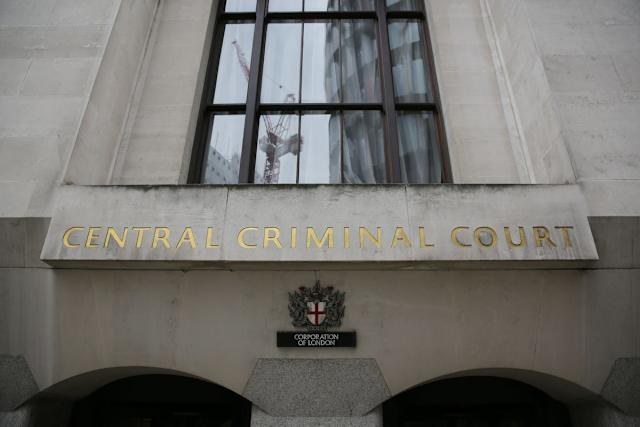
Nevertheless, the legal framework under which he was charged does not require proof of active intent to commit terrorism, only that the materials could reasonably assist someone in doing so. This distinction is central to many Section 58 prosecutions: possession of violent extremist instructions itself constitutes a risk, regardless of the possessor’s claimed purpose. The court therefore looked not only at how he characterised his behaviour but at the nature of the documents, their potential utility and the wider pattern of radicalisation.
Counter-terrorism experts note that individuals expressing fascination with violent ideologies, even through unconventional or occult-themed frameworks, may still pose risks if they engage with materials that encourage real-world harm. Whether the underlying belief is political, spiritual or conspiratorial, the mechanism of radicalisation often involves repeated exposure to violent propaganda combined with a narrative that glorifies or normalises extremism. In this case, prosecutors argued that the combination of extreme-right ideology and Satanic themes created a worldview that romanticised violence and rebellion, contributing to his decision to access the materials in question.
National Security Concerns and the Court’s Response
Following the sentencing, Commander Dominic Murphy of Counter Terrorism Policing London spoke publicly about the case, describing the material found on George-Candiani’s devices as “horrific.” He emphasised the importance of Schedule 7 powers in preventing potential threats, noting that this case served as a clear example of how border checks can identify individuals carrying dangerous material before any harm occurs.

The court’s decision to impose a custodial sentence reflected the seriousness with which possession of terrorist-related documents is viewed. At 23 months, the sentence was designed both to punish and to deter, acknowledging the potential danger such materials represent even in the absence of operational plans or overt intent. Although the jury found him not guilty of two of the charges, the conviction on the other two counts established responsibility for possessing materials that could enable violent acts.
The case also raises broader questions about the pathways to radicalisation, the influence of online extremist content and the challenges authorities face in identifying individuals who may be drifting toward violent beliefs. The mixing of ideological elements in this instance demonstrates how some individuals may be drawn to multiple extremist narratives simultaneously, whether for personal identity, fascination with taboo ideas or a perceived sense of empowerment.
For counter-terrorism officials, the case underscores their view that even seemingly fringe or esoteric belief systems can fuel dangerous behaviour when paired with actionable extremist guides. Recognising these intersections is essential for prevention efforts, particularly as radicalisation increasingly occurs through digital environments where ideological boundaries are fluid and individuals can move rapidly between different forms of extremist thought.
George-Candiani’s sentencing concludes the legal process but highlights ongoing discussions about how society monitors and addresses the consumption of extremist materials. As online extremist ecosystems continue to evolve, authorities remain focused on ensuring that individuals who access or store dangerous material are identified before ideological fixation becomes operational intent.
Okay, so 789pvip is my new go-to. The VIP treatment is real, with exclusive bonuses and a personal account manager. If you’re looking to level up your gaming, this is the place.
I’ve recently started a site, the info you provide on this web site has helped me greatly. Thanks for all of your time & work.
I and also my pals happened to be taking note of the great things located on the blog then all of a sudden got an awful suspicion I never thanked the web site owner for those techniques. All the ladies are actually as a result passionate to study all of them and have in effect pretty much been taking pleasure in these things. Many thanks for being really helpful as well as for considering some wonderful guides most people are really eager to discover. My personal honest regret for not expressing gratitude to earlier.