
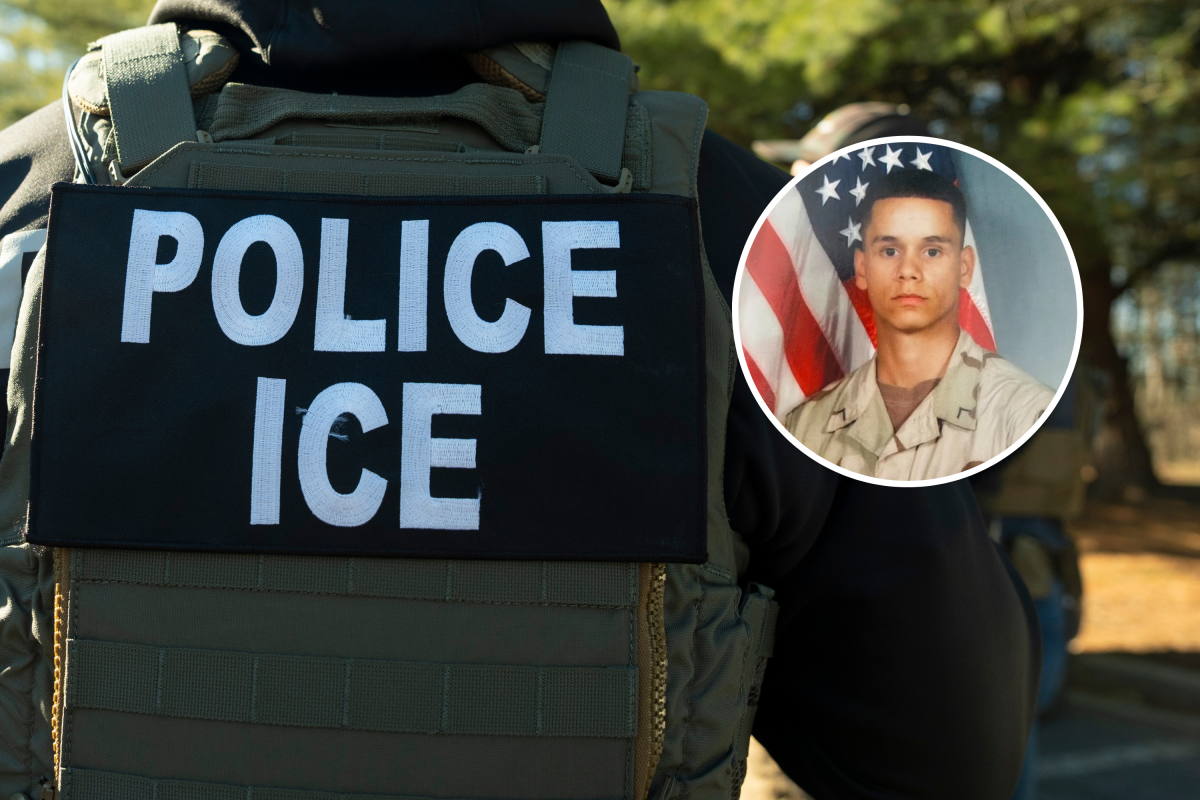
Jose Barco’s story is one that straddles the line between honor and heartbreak, service and rejection. A decorated U.S. Army veteran awarded the Purple Heart for his bravery in Iraq, Barco now finds himself confined in a Texas immigration detention center, facing deportation to a country that refuses to accept him.
Born in Venezuela, Barco came to the United States at the age of four, raised and molded on American soil, and later put his life on the line in service of the very country now seeking to remove him. His case has sparked outrage and debate, highlighting the complex and often contradictory intersection between immigration law, military service, and national policy.
A Soldier’s Journey from Combat to Incarceration
Jose Barco’s life story begins in Venezuela, where he was born to a Cuban political refugee. His father, having fled oppression, sought a better life in America, and brought young Jose to the United States when he was just four years old.
Growing up in the U.S., Barco embraced American values and ultimately decided to serve in the military—a decision that would shape and scar his life in equal measure.
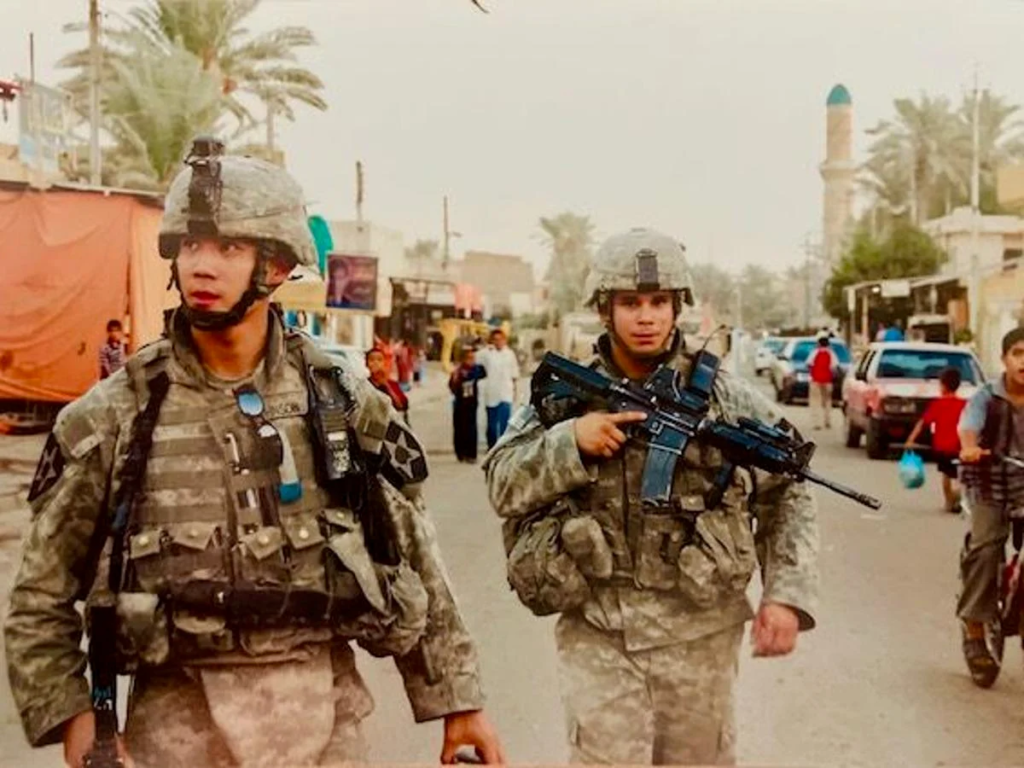
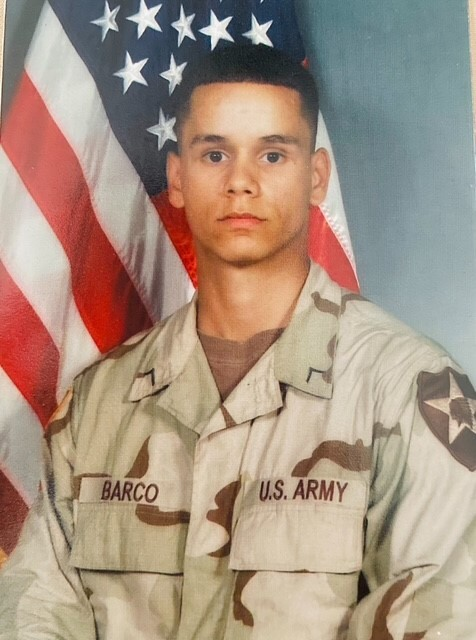
In 2004, Barco was deployed to western Iraq as part of Charlie Company, 1st Battalion, 506th Infantry Regiment. There, he faced the brutal realities of modern warfare, sustaining serious injuries from explosions and battlefield collisions.
His valor earned him a Purple Heart, but it also left him with long-term trauma, including a traumatic brain injury (TBI) and post-traumatic stress disorder (PTSD). He returned to Iraq in 2006 and continued to serve until his honorable discharge in 2008 at the age of 23.
Following his return, Barco’s life spiraled downward, a fate not uncommon among veterans coping with the aftermath of war. Struggling with untreated PTSD and mental health issues, Barco became involved in a violent incident in April 2008 in Colorado Springs, where he opened fire at a party, injuring a pregnant woman.
Read : Cornell PhD Student Momodou Taal Threatened With an Immigration Arrest Flees US Before Deportation
He was convicted of two counts of attempted first-degree murder and sentenced to 52 years in prison, later reduced to 40. After serving 15 years behind bars, he was released on parole in January 2025—only to be immediately detained by U.S. Immigration and Customs Enforcement (ICE).
Stateless and Detained: The Legal Limbo of a Veteran
Jose Barco’s detention has exposed glaring gaps in America’s treatment of non-citizen veterans. Despite his years of honorable service, he never officially became a U.S. citizen. His former commanding officer, Lieutenant Colonel Michael Hutchinson, recalls helping Barco fill out his naturalization application during his deployment, but the documents were lost, and Barco’s citizenship process never concluded.
This oversight has had devastating consequences. Because Barco is not a U.S. citizen and has a criminal record, he is eligible for deportation under immigration laws that prioritize the removal of non-citizens with felony convictions. Upon his parole, ICE placed him in custody and began proceedings to remove him from the United States.
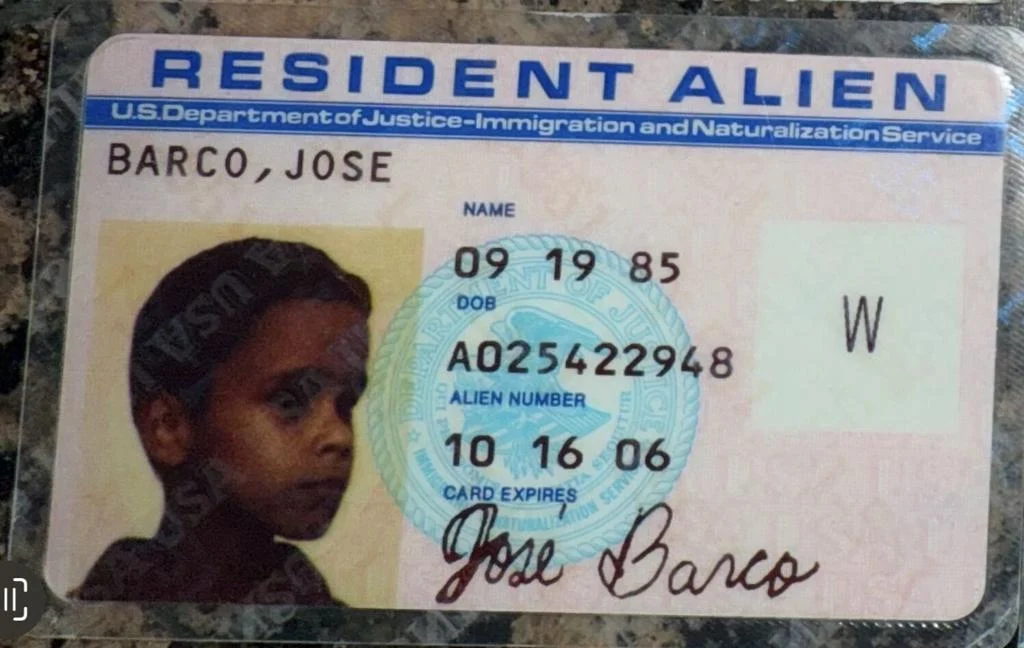
Barco was initially deported to Venezuela via Honduras in late March, but Venezuelan authorities refused to admit him. He was returned to Texas and now resides in El Valle Detention Center in Raymondville. Anna Stout, former mayor of Grand Junction, Colorado, who is assisting Barco’s family, described him as “virtually stateless” since his birth country won’t accept him, and his adopted homeland seeks to deport him.
Read : Germany to Tighten Rules on Deporting Foreigners Who Glorify Terror Acts Amid Gaza War
Jose Barco’s wife, Tia, whom he has been married to for 15 years, and their daughter—a child he has never met outside of prison—are devastated. Due to his conviction, he was ineligible to apply for a green card through marriage. Now, even as his family advocates for his release and naturalization, the uncertainty looms large.
Tia has shared how her husband’s frequent transfers between facilities have made it nearly impossible to secure legal representation. Legal fees remain a major barrier for the family, and Barco remains isolated, without clear information about his future.
The Larger Debate: Service, Citizenship, and American Identity
Jose Barco’s case has ignited wider discussions about U.S. immigration policy and the treatment of immigrant veterans. During his presidency, Donald Trump emphasized a hardline approach to immigration enforcement, including mass deportations. While the administration claimed to prioritize individuals with criminal records, critics note that even legal residents and non-violent immigrants have been swept up in the crackdown.
The invocation of the Alien Enemies Act of 1798 in March 2025 has accelerated removals of Venezuelan nationals, especially those with criminal pasts or alleged gang affiliations.
Hundreds have reportedly been deported to El Salvador and other countries under this controversial policy. Barco’s failed deportation attempt and current detention are part of this broader campaign.
Supporters argue that military service should warrant special consideration in deportation proceedings, especially when the individual has been honorably discharged and served during a designated period of hostility. Critics of the system argue that it fails to account for the realities of combat-related mental illness.
A 2017 Rand Corporation study found that a significant percentage of Iraq and Afghanistan veterans suffer from PTSD, TBI, or difficulty adjusting to civilian life. These issues, they argue, often underlie the criminal behavior that later makes these veterans vulnerable to deportation.
Barco’s commanding officer, his wife, his brother, and community leaders have all spoken publicly in his defense. They describe a man who was broken by war, neglected by the system, and is now being punished further through deportation.
His brother Reinier Barco emphasized that Jose has spent his entire life in America and has deep roots here. “To uproot it and send him somewhere else like he came here illegally and committed a crime entering the country… This is crazy,” he said.
Anna Stout underscored the tragedy of the case, saying, “It’s the story of multiple failures of the U.S. military when it comes to one of its own soldiers… and of the tragic intersection of a new age of immigration policy and unfortunate parole timing.”
Barco himself has expressed confusion and loss about his identity. Speaking to the Denver Gazette, he said, “I’m not Venezuelan even though I was born in Venezuela. I’m not Cuban either because I wasn’t born in Cuba, but my parents are Cuban. I’ve lived in this country since I was 4 years old. But to them, I’m not an American. I don’t know what I am.”
A Call for Justice Amid Policy Failures
Jose Barco’s plight raises a host of uncomfortable questions about justice, loyalty, and redemption. Should military service absolve past criminal behavior, especially when that behavior may have been influenced by combat trauma?
Should the U.S. have a special pathway to citizenship for veterans who risk their lives on the battlefield? And what does it mean for someone who has lived in America nearly their entire life, fought for the country, and then be told he does not belong?
While the law may allow for Barco’s deportation, the moral calculus is far more complex. The public outcry surrounding his case points to a growing discomfort with rigid immigration enforcement when applied without regard to individual circumstances.
The next steps for Barco remain uncertain. His legal team, family, and supporters continue to push for legal recognition of his military service and an appeal to halt his deportation. If successful, his case could become a turning point in how America treats its non-citizen veterans. If not, it will remain a cautionary tale about the price of patriotism in a system that too often forgets those who served it.
In a nation built by immigrants and defended by soldiers like Barco, his case forces America to confront the uncomfortable contradictions between law and loyalty, punishment and patriotism. For Jose Barco, the war is no longer on the battlefield—it’s now in the courtroom, and the country he once fought for is the one he’s fighting to stay in.