
The recent verdict in a California court has brought renewed attention to corporate responsibility and consumer safety. A jury has ordered Starbucks to pay $50 million in damages to Michael Garcia, a Delivery Driver Burned by Hot Coffee lid.
The case, filed in California Superior Court in 2020, has sparked debates about liability, negligence, and the duty of care owed by businesses to their customers.
The Incident and Lawsuit
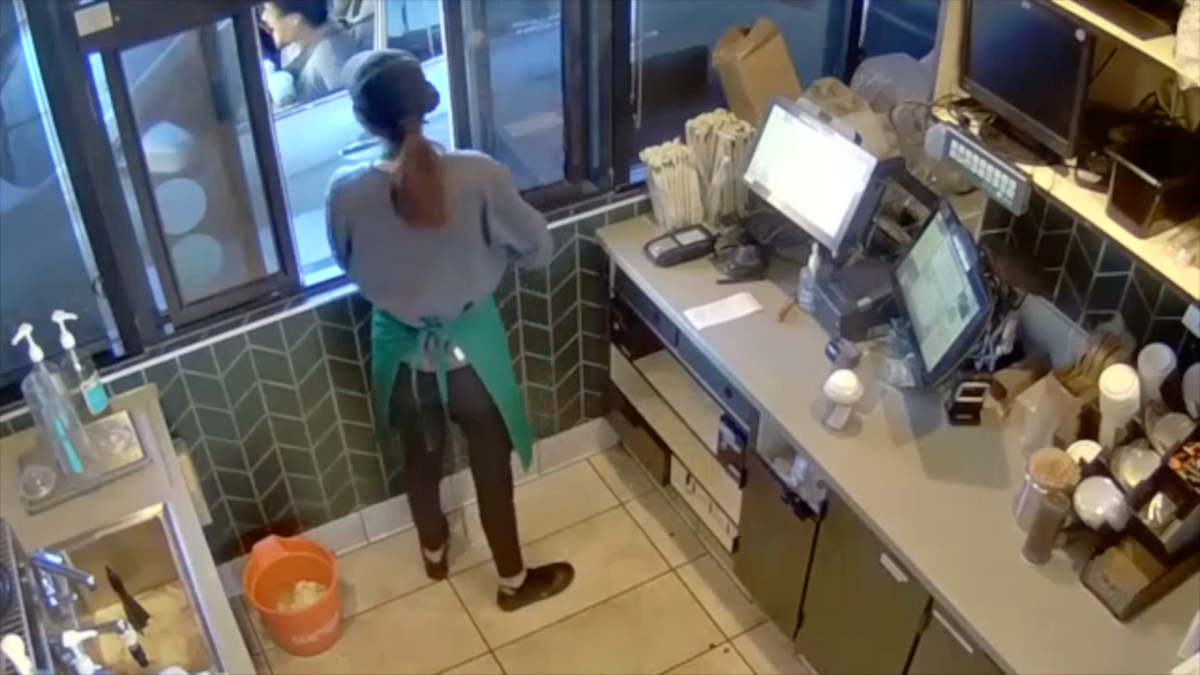
Michael was at a Starbucks drive-through in Los Angeles when he picked up three hot beverages. According to the lawsuit, one of the drinks was not properly secured in the carrier, leading to the tragic accident.
As the Starbucks employee handed the order to Garcia, one of the drinks fell and spilled onto his lap, causing severe burns to his genitals.
Garcia’s legal team argued that Starbucks failed to take necessary precautions to ensure customer safety. His lawyer, Michael Parker, emphasized that the improperly placed beverage led to Garcia’s injuries, which included disfigurement, nerve damage, and emotional distress.
The lawsuit claimed that Starbucks breached its duty of care by failing to secure the lid properly and provide a safe method for handling hot beverages.
Read : McDonald’s Loses Chicken “Big Mac” Trademark Battle Against Irish Food Chain
In the courtroom, Garcia’s suffering was detailed, with descriptions of immense physical pain, mental anguish, and long-term emotional trauma. The jury found Starbucks liable for the injuries and awarded $50 million in damages to Garcia, making it one of the largest settlements of its kind.
Starbucks’ Response and Plans to Appeal
Following the verdict, Starbucks expressed sympathy for Garcia but firmly disagreed with the jury’s decision. The company stated that it plans to appeal the ruling, arguing that the damages awarded were excessive.
A Starbucks spokesperson reiterated that the company maintains high safety standards in all its stores, including careful handling of hot beverages.
The spokesperson emphasized that Starbucks trains its employees in proper beverage handling procedures and takes all necessary steps to ensure customer safety. However, the jury’s ruling suggests that in Garcia’s case, the company’s precautions fell short.
The case has drawn comparisons to the famous 1994 lawsuit against McDonald’s, where a woman, Stella Liebeck, suffered third-degree burns after spilling hot coffee on her lap.
Initially, Liebeck was awarded nearly $3 million in damages before the settlement was ultimately reduced. Both cases highlight the potential dangers of improperly handled hot beverages and the legal responsibilities of corporations.
Implications for Corporate Responsibility and Consumer Safety
This lawsuit raises significant questions about corporate responsibility and the measures companies must take to prevent similar incidents. Starbucks, as a global coffee chain, serves millions of hot beverages daily. While hot coffee inherently carries some risks, businesses are expected to implement safety protocols to minimize potential hazards.
The case also underscores the importance of product liability and consumer protection. Companies must ensure that packaging and handling methods are foolproof, especially when dealing with products that can cause serious injuries.
Starbucks’ commitment to appealing the verdict suggests that the company will challenge the claim that it was negligent. However, the outcome of the appeal could set further legal precedents for the food and beverage industry.
Consumer advocacy groups have weighed in on the case, arguing that companies should prioritize customer safety over profit margins. They emphasize that businesses must train employees to prevent mishandling of orders and invest in safer packaging designs.
Legal experts predict that this case will encourage other injured customers to come forward with similar claims, potentially leading to more lawsuits against major food and beverage companies.
While Starbucks may appeal the ruling, the case has already made a lasting impact on discussions about corporate responsibility and consumer safety.
If the verdict stands, it could lead to stricter regulations on beverage packaging and handling in drive-through establishments, ensuring that such incidents do not happen in the future. Whether Starbucks ultimately pays the full $50 million or settles for a lesser amount, the case will remain a significant moment in consumer protection law.