

Changing one’s name is often a deeply personal decision, rooted in major life events, cultural beliefs, or personal expression. For some, it represents a fresh start, while for others, it carries sentimental or philanthropic significance. In the case of Pudsey Bear, formerly known as Eileen De Bont, her name change was an act of charity.
Sixteen years ago, she auctioned off the right to name her, ultimately raising money for ‘Children in Need’. However, despite her name being legally recognized in various official records, the UK Passport Office has repeatedly Denied Passport After Changing Name to Pudsey Bear.
This refusal has led to an ongoing legal battle, raising questions about name change policies, intellectual property concerns, and the rigidity of government regulations.
The Charitable Name Change and Its Unintended Consequences
In 2009, Eileen De Bont made a unique decision—she allowed her name to be chosen through an auction to raise funds for the BBC’s ‘Children in Need’ charity. The highest bid came in at £4,000, and as a result, she legally changed her name to Pudsey Bear.
This name, well known as the mascot of BBC’s annual charity event, became her identity in all aspects of life. Her bank accounts, council records, utility bills, and even her business were updated to reflect the new name.
Despite this, the UK Passport Office has refused to issue her a passport under Pudsey Bear. Officials cite two main reasons: first, they consider her name “frivolous,” implying that it lacks the seriousness required for official documentation.
Second, there are concerns that the name might infringe on the BBC’s intellectual property rights, as Pudsey Bear has been the official mascot of BBC Children in Need since 1985.
This bureaucratic stance has placed her in a frustrating and complex situation. While her name is accepted for nearly all legal and financial matters, the inability to obtain a passport restricts her ability to travel internationally.
Pudsey Bear argues that after 16 years of living under this name, it should no longer be considered frivolous. She insists that her legal identity should be respected by all government agencies, including the Passport Office.
The Passport Office’s Stance and Legal Complexities
The UK Passport Office has remained firm in its decision, continuously rejecting her applications since 2009. Their argument hinges on the claim that Pudsey Bear, as a name, could be a copyright infringement due to its association with the BBC’s beloved mascot. This reasoning has sparked a larger debate on the limits of intellectual property and personal identity.
One of the main concerns raised by officials is that her name could be mistaken for an endorsement by the BBC. Given the popularity of the Children in Need campaign, the name Pudsey Bear is instantly recognizable across the UK.
The Passport Office’s reluctance to issue a passport under this name suggests an unwillingness to risk potential legal disputes or accusations of brand misuse.
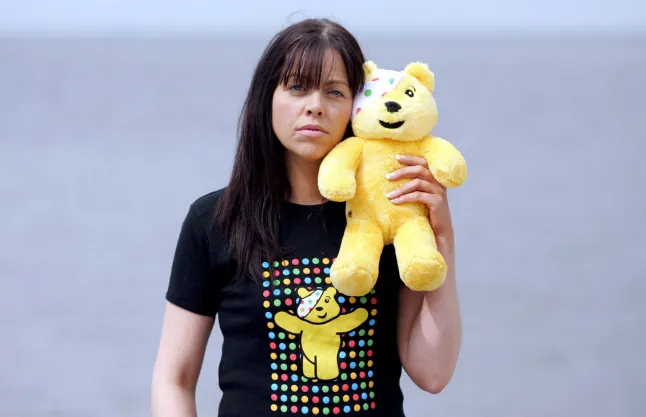
However, Pudsey Bear maintains that her name is not being used for any deceptive or misleading purposes. She operates a legitimate business, Northern Light Tarot, which is legally registered under her name.
She has also pointed out that numerous other businesses and individuals have names that might resemble trademarked entities, yet they do not face the same level of scrutiny.
In response to her most recent application, the Home Office advised her to seek permission from the BBC before reapplying. This suggestion places her in a difficult position, as it is unclear whether the BBC has any legal authority over personal name changes. The ambiguity surrounding intellectual property in personal identity cases has made her legal fight even more complicated.
The Struggles of Unconventional Name Changes
Pudsey Bear’s case is not the first time someone has faced difficulties after adopting an unconventional name. While many countries allow name changes for personal reasons, government agencies often have the discretion to reject names deemed inappropriate, offensive, or misleading.
In the UK, the Deed Poll system allows individuals to change their names relatively easily. However, the Passport Office has stricter regulations, especially regarding names that may cause confusion or appear to be made for commercial purposes.
There have been previous cases of people being denied passports for having names that resemble brands, fictional characters, or titles that imply official authority.One notable example was a British man who legally changed his name to “Captain Fantastic Faster Than Superman Spiderman Batman Wolverine Hulk And The Flash Combined.”
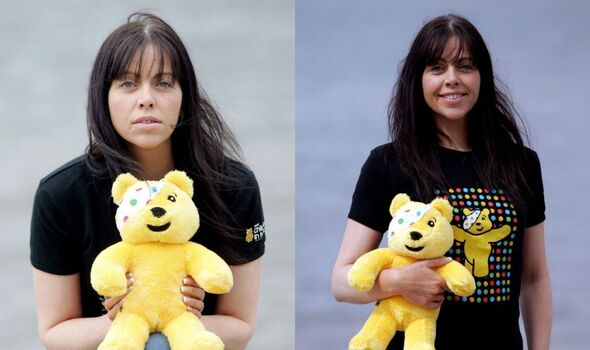
While he was able to update his driver’s license and bank records, the Passport Office refused to issue him a passport under that name. Similarly, a woman who changed her name to “Miss Princess Rainbow Sparkle” faced rejection due to the Passport Office deeming it too whimsical.
Pudsey Bear’s situation highlights the challenges faced by individuals with non-traditional names, particularly when they have lived under those names for an extended period. Despite legally changing her name 16 years ago, she continues to face bureaucratic roadblocks, which prevent her from fully embracing her chosen identity.
Her determination to keep her name underscores the importance of personal autonomy in identity matters. While government agencies have a responsibility to ensure names on official documents meet certain standards, her case raises questions about where the line should be drawn. If her name is legally recognized in all other aspects of life, should the Passport Office have the power to override that decision?
As Pudsey Bear continues her legal fight, her case could set a precedent for others who wish to adopt unconventional names. Whether she ultimately succeeds in obtaining a passport under her chosen name remains to be seen. However, her struggle has already sparked discussions on the balance between personal freedom and bureaucratic regulations in name changes.