
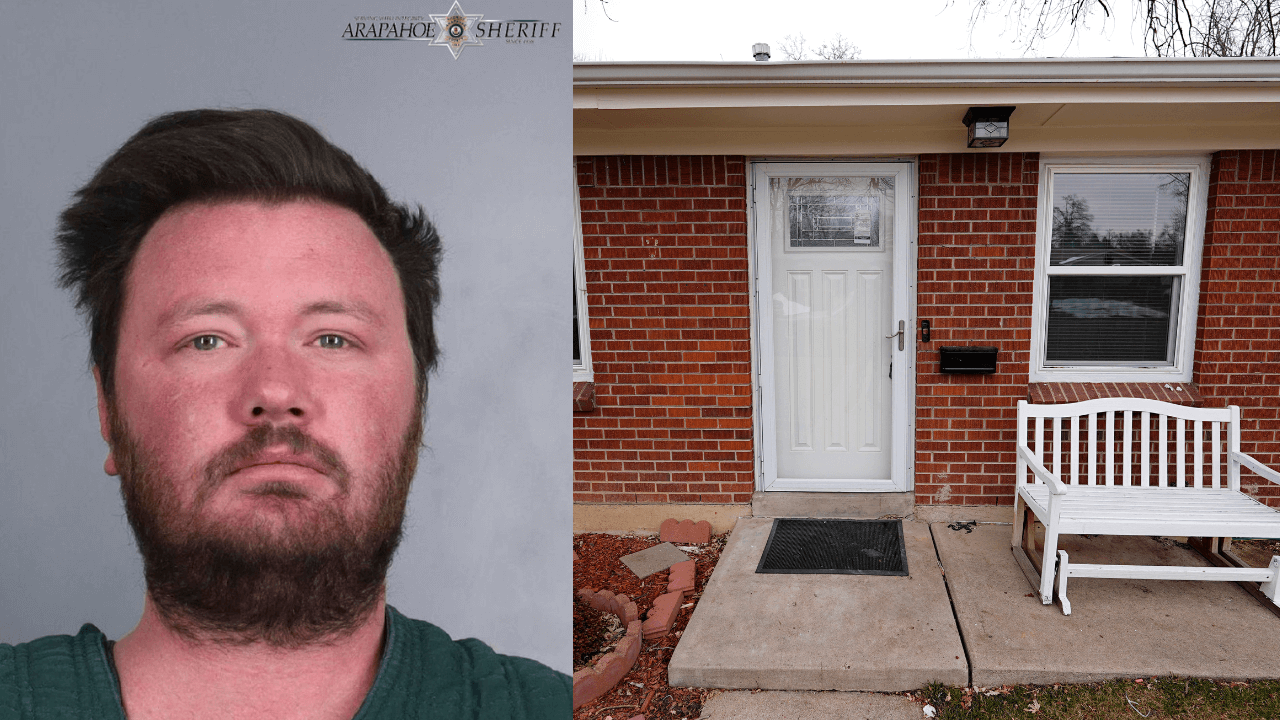
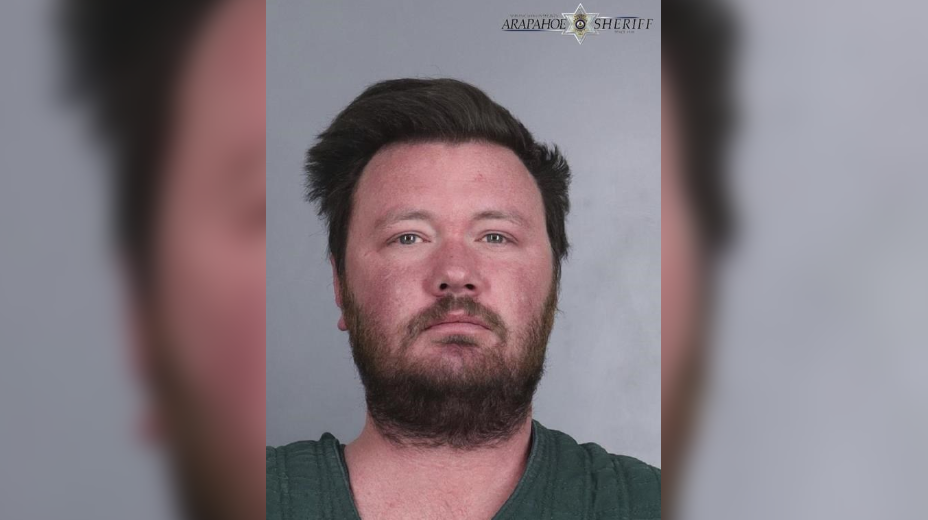
In a case that has horrified the Denver community, Miles Harford, a former funeral home owner, pleaded guilty on April 14, 2025, to charges of abuse of a corpse and theft after keeping the body of 63-year-old Christina Rosales in a hearse for approximately 18 months.
The shocking discovery, made during an eviction in February 2024, also revealed Harford’s mishandling of the cremated remains of at least 30 other individuals, exposing severe ethical breaches in the funeral industry. This scandal has sparked outrage among victims’ families and raised urgent questions about regulatory oversight in Colorado’s funeral services.
A Gruesome Discovery During an Eviction
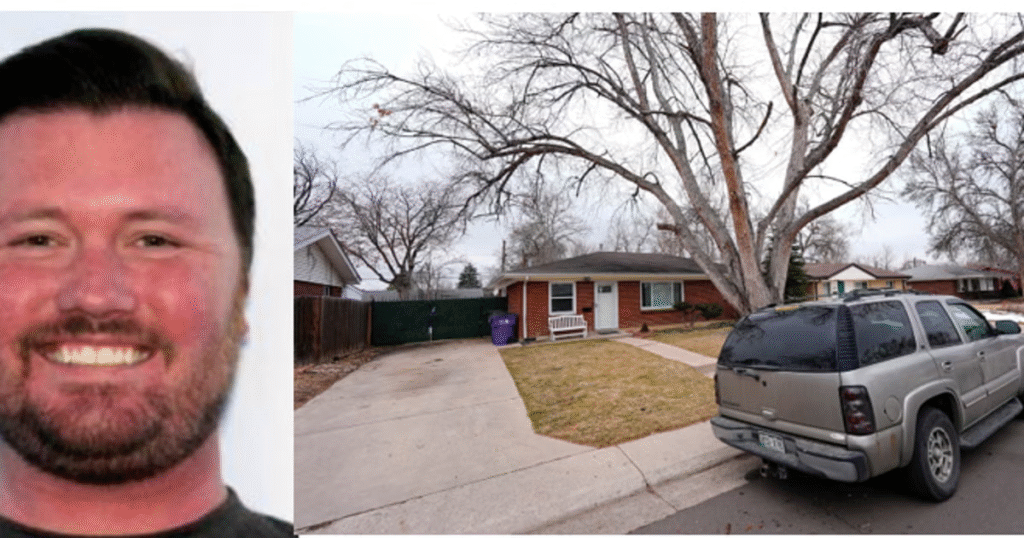
The case came to light on February 6, 2024, when Denver County Sheriff’s deputies, assisting with an eviction at a rental property in the 2500 block of South Quitman Street, uncovered a series of disturbing findings. The property belonged to Miles Harford, then 33, who had operated Apollo Funeral and Cremation Services in Littleton until it lost its license in May 2022 and ceased operations in September of that year.
During the eviction, deputies discovered approximately 35 sets of cremated remains, or cremains, stored in temporary urns—often simple black plastic boxes—scattered across the property, including in a crawlspace, a moving truck, and an inoperable hearse parked in the backyard.
Inside the hearse, authorities found the body of Christina Rosales, who had died of Alzheimer’s disease in August 2022 at age 63. Her remains were strapped to a gurney, covered with blankets, and had been left in the vehicle for roughly 18 months.
Read : Lipstick-Wearing Man Arrested for Arson Incidents in New Mexico
Harford had provided Rosales’ family with the cremated remains of another individual, leading them to believe their loved one had been properly cremated. The cremains found on the property belonged to individuals who died between 2012 and 2021, and some families later reported receiving incorrect or no remains at all.
This gruesome discovery revealed a pattern of neglect and deception, as Harford had failed to fulfill the cremation services for which families had paid, violating their trust and dignity.
Legal Repercussions and Families’ Grief
Following the discoveries, Harford was arrested on February 22, 2024, and initially faced 12 charges, including one count of abuse of a corpse, forgery of a death certificate, theft, and additional counts of abuse of a corpse and theft-at-risk victim filed in December 2024.
On April 14, 2025, he pleaded guilty to one felony count of abuse of a corpse and one misdemeanor count of theft as part of a plea agreement, with the remaining charges dismissed. The agreement holds Harford liable for restitution to all victims named in the charges, including those tied to the dismissed counts.
His sentencing is set for June 9, 2025, where he faces up to 18 months in prison—a duration that Rosales’ family noted matches the time her body was left in the hearse.

The emotional impact on the victims’ families has been devastating. Christina Rosales’ sisters, including Debi Schroeder, expressed profound grief and anger, emphasizing that Harford knew Rosales personally and had promised to handle her remains with care.
“It’s unethical, immoral,” Schroeder told CBS Colorado, underscoring the family’s desire for the maximum punishment. Other families affected by Harford’s actions have echoed similar sentiments, grappling with the betrayal of receiving incorrect cremains or learning that their loved ones’ remains were improperly stored.
The case has left families questioning the integrity of the funeral services they trusted, with many seeking accountability and closure through the legal process.
Regulatory Gaps and Industry Implications
The Harford case has exposed significant gaps in the regulation of Colorado’s funeral industry, prompting calls for reform. Unlike many states, Colorado does not require funeral home directors to be licensed, and oversight of cremation services is minimal.
The Colorado Department of Regulatory Agencies (DORA) revoked Apollo Funeral and Cremation Services’ registration in May 2022 due to operational violations, but Harford continued to hold remains and cremains after the business closed. This lack of ongoing monitoring allowed his misconduct to go undetected until the eviction brought it to light.
In response to the scandal, state officials and industry advocates are pushing for stronger regulations, including mandatory licensing for funeral directors and regular inspections of funeral homes and crematories. The Colorado Funeral Directors Association has publicly condemned Harford’s actions, emphasizing that such behavior is not representative of the industry’s standards.
However, the case has eroded public trust, with families now questioning the safeguards in place to protect their loved ones’ remains. Similar incidents in Colorado, such as the 2023 case involving the Return to Nature Funeral Home in Penrose, where nearly 200 bodies were found improperly stored, have further highlighted the need for systemic change.
Nationally, the Harford case underscores the importance of transparency and accountability in the funeral industry. The Federal Trade Commission’s Funeral Rule requires funeral homes to provide clear pricing and service information, but it does not address the handling of remains after services are contracted.
Industry experts are advocating for federal guidelines on the storage and tracking of remains, as well as mandatory reporting of cremains held by funeral homes. These measures could prevent future cases of neglect and ensure that families receive the dignity and respect they deserve during their time of loss.
Restoring Trust and Seeking Justice
As the Denver community processes the shock of Miles Harford’s actions, the focus remains on supporting the affected families and preventing similar tragedies. The restitution process, which will address financial losses for families who paid for unfulfilled services, is a critical step toward justice.
However, the emotional scars left by Harford’s betrayal may take years to heal. Community organizations and grief counselors are stepping in to offer support, helping families navigate the trauma of learning their loved ones’ remains were mishandled.
For the funeral industry, the Harford case serves as a wake-up call to prioritize ethical practices and transparency. Funeral homes across Colorado and beyond are reviewing their protocols to ensure proper handling of remains and clear communication with families.
Some are adopting technologies like digital tracking systems for cremains to provide greater accountability. These efforts aim to rebuild public confidence and honor the sacred responsibility entrusted to the industry.
As Harford awaits sentencing, the case continues to resonate as a stark reminder of the consequences of negligence in a profession built on trust. Families like that of Christina Rosales are advocating for harsher penalties and stronger oversight to prevent others from enduring similar pain.
Their resilience in seeking justice underscores the importance of holding individuals and institutions accountable, ensuring that those who violate the sanctity of death face the full weight of the law.
The Miles Harford case is a tragic chapter in Denver’s history, but it also presents an opportunity for meaningful change. By addressing regulatory shortcomings and prioritizing ethical standards, Colorado can lead the way in reforming the funeral industry, restoring trust, and ensuring that no family suffers such a betrayal again. The memory of Christina Rosales and the other victims demands nothing less.