

The journey of fatherhood is often painted with a sense of joy, pride, and fulfillment. But for some men, it can also come with unexpected challenges that are rarely discussed.
One such case is that of a Chinese man, known as Jasmine’s Dad on social media, who found himself struggling with post-partum depression after Quitting Job to Take Care of Baby.
His story not only sheds light on the emotional and psychological toll of fatherhood but also brings attention to the often-overlooked topic of post-partum depression in men.
A Dramatic Career Shift: From Manager to Full-Time Dad
The man, who had been a manager in the pet food sales industry, made a significant life change when his daughter, Jasmine, was born. With a steady income of around 20,000 yuan (roughly US$2,800) a month, he had a comfortable life and a promising career ahead of him. However, after the birth of his child, he and his wife were faced with a difficult decision.
The couple found themselves struggling to balance their professional responsibilities and parental duties. The absence of a nanny and the lack of support from extended family forced them to make a difficult choice.
With his wife holding a stable government job, the man decided to leave his high-paying position to become a full-time caregiver for their newborn daughter. At the time, it seemed like the right thing to do, especially as the couple had no immediate family around to help with childcare.
However, the financial reality quickly set in. The man’s salary as a stay-at-home dad was drastically reduced to 4,000 yuan a month, which put additional strain on the family’s financial stability. The man’s life, once filled with corporate meetings and work-related responsibilities, now revolved around feeding, changing diapers, and caring for his daughter.
Read : 27-year-old Chinese Student Living in Japan Rescued From Mount Fuji Twice in One Week
His routine was intense and non-stop, waking up at 6 a.m. to make milk, play with his daughter, take her to the park, and later cook meals after putting her down for a nap. He would even make videos for his social media followers during his free time. Despite all his efforts, the stress of the situation began to take a heavy toll on his mental and physical health.
A Struggle with Post-Partum Depression:
While post-partum depression (PPD) is widely recognized as a condition affecting new mothers, the impact of this mental health issue on fathers is less often discussed. In the case of Jasmine’s Dad, the pressures of being a full-time parent began to weigh heavily on him, leading to symptoms of post-partum depression.
His emotional and psychological struggles worsened when his daughter was diagnosed with pneumonia. The child’s condition was critical, and he stayed by her side in the hospital for five days without sleep or a shower.
Instead of receiving sympathy from both sides of the family, he claims that he was blamed for his daughter’s illness. In these difficult moments, instead of the expected emotional support from his wife and extended family, he was met with judgment, which only deepened his sense of isolation.
Read : Amsterdam to Remove Chinese-Made Cameras Over Espionage and Human Rights Concerns
He describes how the situation became unbearable, as the emotional toll of caring for a sick child while dealing with the mental strain of raising a baby began to take its toll on his well-being.
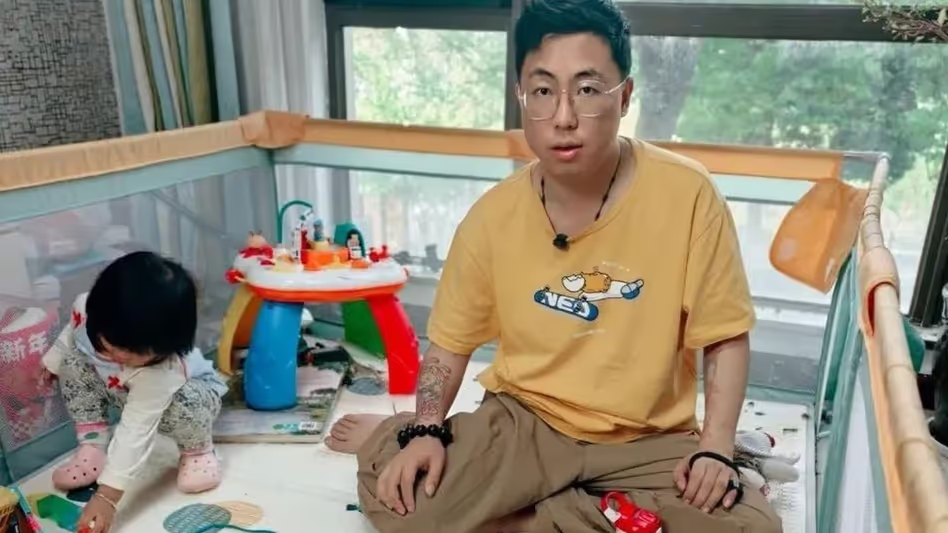
In his social media posts, he confided in his followers about his struggle with post-partum depression. The depression, which had been overlooked as something that only affected mothers, had now found its way into his life, leaving him overwhelmed and exhausted.
For many men, the experience of post-partum depression can be an isolating one. Social expectations often place the burden on fathers to remain strong and stoic, not acknowledging that they, too, can face emotional and mental health challenges after the birth of a child. While mothers often have more access to support networks and resources, fathers are frequently left to navigate their emotional struggles on their own, with little acknowledgment of their experience.
The Breakdown of the Marriage: A Strain on Relationships
As if the psychological burden of fatherhood wasn’t enough, the stress within the family dynamic began to chip away at the relationship between the man and his wife. According to the man’s account, his wife was not very involved in the daily care of their daughter.
He claims that she was only present on weekends, leaving him to take on the bulk of the responsibilities during the week. This imbalance in their roles led to constant arguments, with their disagreements often centered around their child and their differing expectations of each other.
The lack of support from his wife, combined with the financial strain and the overwhelming responsibilities of being a stay-at-home dad, eventually led to the breakdown of their marriage. The man and his wife divorced, and despite the challenges he faced, his emotional needs remained unmet. The overwhelming pressure of being both a father and a husband, without the necessary emotional support from his partner or family, was too much for the relationship to withstand.
It is important to note that relationship difficulties after the birth of a child are common for many couples, but the emotional strain can be particularly difficult for fathers who feel that their role in the family is not valued or understood.
This lack of recognition can contribute to feelings of frustration, loneliness, and, in some cases, depression. For men, the pressure to maintain financial stability while also being emotionally available to their partners and children can create a volatile combination that puts relationships at risk.
The Division of Opinion: Social Media Reactions
The man, known as Jasmine’s Dad, has used his social media platform to share his experiences, providing insight into his daily life and his struggles with post-partum depression. His story has sparked a wide range of reactions from his followers and the broader public.
On social media, some have expressed sympathy for his situation, agreeing that fathers, too, need support during the challenging transition to parenthood. These individuals argue that fathers are often neglected when it comes to mental health and emotional well-being, and his story highlights the need for greater awareness of post-partum depression in men.
On the other hand, some social media users have criticized the man, arguing that he has no real reason to complain, given that he voluntarily made the choice to stay home with his daughter.
This group believes that his decision to leave his job for the sake of his child was a personal one, and as such, he should bear the consequences of that decision without seeking sympathy. They suggest that he is overreacting and should focus on the positive aspects of being a full-time father.
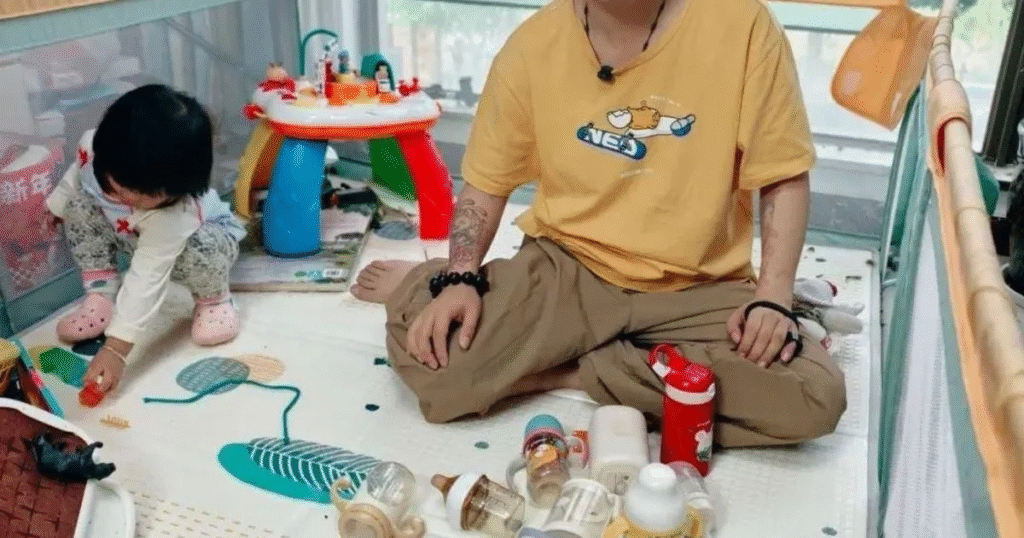
The division in public opinion highlights a broader societal issue: the lack of understanding of the challenges fathers face in modern parenting. While mothers are often given more leniency and emotional support in their roles, fathers are left to navigate their own struggles without the same level of attention or resources.
This disparity in how parenting challenges are viewed may contribute to the stigma that men face when they experience mental health issues such as post-partum depression.
Raising Awareness and Seeking Support
Jasmine’s Dad’s story serves as a powerful reminder that post-partum depression is not an issue solely faced by mothers. The emotional and mental health challenges that come with parenthood can affect anyone, regardless of gender.
Men who take on full-time caregiving roles or who are involved in the raising of their children are just as vulnerable to the pressures of parenthood, and their struggles should not be dismissed or ignored.
As society continues to evolve, it is essential to create more inclusive support systems for all parents, not just mothers. Fathers who experience emotional and psychological challenges need to be given the same resources, recognition, and support as their partners.
By breaking the stigma surrounding male post-partum depression and offering more comprehensive support for fathers, we can ensure that all parents have the opportunity to thrive emotionally and mentally during one of the most transformative periods of their lives.
Jasmine’s Dad’s story is a wake-up call, urging society to acknowledge the often-overlooked struggles of fathers and to create spaces where both mothers and fathers can seek help without fear of judgment or ridicule.