
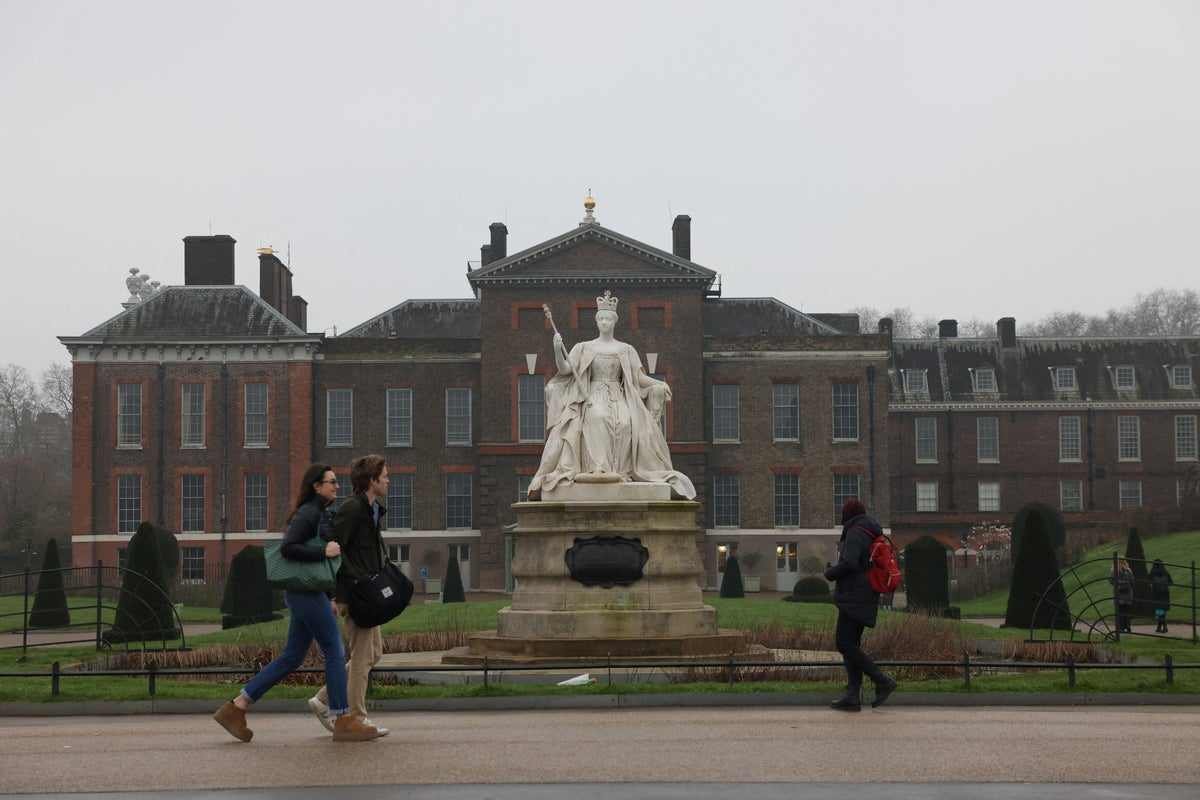
The Metropolitan Police have charged a 39-year-old man after two alleged intrusions onto the grounds of Kensington Palace, one of the most closely guarded royal residences in London. The charges relate to incidents that occurred in the days immediately before Christmas, raising renewed attention on the security arrangements surrounding properties used by senior members of the British royal family.
Although the Prince and Princess of Wales were not present at the palace during the incidents, the case has drawn scrutiny because Kensington Palace serves as both a historic royal residence and a home to several members of the royal household. Authorities have emphasized that the alleged intrusions did not result in any breach of the palace’s main buildings, but the matter is being treated seriously given the site’s protected status under U.K. law.
Details of the Alleged Incidents and Charges
According to a statement from the Metropolitan Police, Derek Egan was charged with trespassing on a protected site and with breaching bail conditions. The charges stem from two separate incidents, which allegedly occurred on Sunday, December 21, and Tuesday, December 23. Police said Egan was arrested on suspicion of trespassing on a protected site in Palace Green, an area that borders Kensington Palace and is subject to heightened security measures due to its proximity to royal residences and diplomatic properties.
Protected sites in the United Kingdom fall under specific legislation that provides additional safeguards for locations deemed sensitive because of their national importance. These can include royal residences, government buildings, and other areas where unauthorized access may pose a security risk. Trespassing on such a site is considered a serious offense, particularly when repeated or when accompanied by breaches of existing bail conditions.
Police sources indicated that Egan was detected through security monitoring systems and detained on the public side of the palace grounds. He is not believed to have entered the main building or inner residential areas of Kensington Palace. Nonetheless, the fact that the alleged intrusions occurred twice within a short period was a significant factor in the decision to bring charges.
Egan appeared at Westminster Magistrates’ Court on Tuesday, December 30, according to reporting by The Times. During the hearing, he admitted to the charges. The court set a further hearing date for January 6, when his pleas are expected to be formally confirmed. The judge stated that the hearing would take place in Egan’s absence, citing what was described as disorderly behavior toward court officials and officers. The judge also declined to grant bail, noting that if Egan is convicted, there is a real possibility he could receive a custodial sentence.
Read : The Top Ten Most Famous Selfie Spots Across the Africa
The Metropolitan Police have not released further details about Egan’s background or motives, and Buckingham Palace has reiterated its longstanding policy of not commenting on specific security matters. This approach reflects a broader effort by royal households and law enforcement agencies to avoid revealing details that could compromise safety procedures.
The Prince and Princess of Wales and Their Absence from Kensington Palace
While Kensington Palace is widely associated with the Prince and Princess of Wales, they were not present at the residence at the time of the alleged incidents. Prince William and Catherine, both 43, maintain a wing of the palace as their official London residence, but they are understood to have been staying at Anmer Hall during the period in question. Anmer Hall is their private country home located on the Sandringham estate in Norfolk, traditionally used by the royal family during holiday periods.
The timing coincided with their children’s school holiday vacation, a period when the family often relocates away from London. Their three children, Prince George, Princess Charlotte, and Prince Louis, were on break, and the family is thought to have been spending time away from the capital in keeping with their usual Christmas routine.
Read : Sudanese Army Recaptured Presidential Palace from RSF After 2 Years of Fighting
Just days after the alleged trespassing incidents, the Prince and Princess of Wales appeared publicly with their children at the annual Christmas Day church service at the Church of St. Mary Magdalene in Sandringham. The service is a long-standing royal tradition, drawing crowds of well-wishers who gather to see members of the royal family as they walk to and from the church and briefly greet the public.

Kensington Palace itself remains a shared residence, housing apartments used by other members of the royal family. The palace also functions as a working royal site and a public attraction, with sections open to visitors for exhibitions and events. This dual role makes security particularly complex, as authorities must balance public access with the protection of residents and historic assets.
Images of Kensington Palace are familiar to the public, including photographs from high-profile visits such as the 2016 meeting between Prince William, Catherine, and then-U.S. President Barack Obama. Such events underscore the palace’s prominence not only as a residence but also as a venue for diplomatic and ceremonial occasions.
Security Concerns and Broader Context of Royal Property Incidents
The alleged intrusions at Kensington Palace come amid ongoing attention to the security of royal properties across the United Kingdom. While incidents of trespassing are relatively rare, each case prompts a review of existing measures and protocols. Royal residences are protected by a combination of physical barriers, surveillance systems, and dedicated police units tasked with monitoring activity and responding quickly to potential threats.
Read : Gold Toilet Seat Stolen from UK’s Blenheim Palace in Just Five Minutes
In this case, authorities emphasized that Egan did not gain access to the inner grounds or residential buildings of Kensington Palace. He was reportedly challenged and detained after being observed on security cameras, highlighting the role of surveillance technology in modern security operations. The rapid response by police is consistent with established procedures designed to prevent unauthorized individuals from approaching sensitive areas.

The incident also follows other recent security-related events involving royal properties. In June of the previous year, there was an attempted break-in at Windsor Castle, the ancestral home of the British royal family. Thames Valley Police confirmed at the time that an intruder was challenged by officers shortly after 1 p.m. and arrested without entering the inner grounds of the castle. It was unclear whether any members of the royal family were present during that incident.
At that time, Prince William and Catherine were living at Adelaide Cottage on the Windsor Castle estate with their children. The family has since relocated to Forest Lodge, described as their long-term home, located several miles from Windsor. These moves reflect a broader pattern of the family seeking residences that offer a balance between privacy, security, and proximity to official duties.
Security experts have noted that royal residences, by their nature, attract significant public interest, which can occasionally translate into attempts by individuals to access restricted areas. While the majority of visitors and onlookers pose no threat, the protected status of these sites means that even minor breaches are treated with seriousness.
Legal proceedings in cases involving protected sites are closely watched, as they can set precedents for how similar incidents are handled in the future. The decision to deny bail in Egan’s case underscores the judiciary’s recognition of the potential risks associated with repeated trespassing at sensitive locations. It also reflects concerns about compliance with court orders, given the allegation that bail conditions were breached.
As the case proceeds, further details may emerge during court hearings, though official statements are likely to remain limited. For now, the focus remains on the legal process and on maintaining robust security arrangements at royal residences. The Metropolitan Police and palace officials continue to emphasize vigilance, while avoiding public discussion of specific measures.
The incidents at Kensington Palace serve as a reminder of the ongoing challenges involved in protecting historic and high-profile sites in an open society. While no harm resulted and no members of the royal family were present, the charges against Derek Egan highlight the legal consequences of unauthorized access to protected locations and the importance placed on safeguarding those who live and work within them.
Yo, 63jljl just popped up on my radar. It’s got potential, definitely worth a look if you’re looking for something new. I’m still exploring it, but my initial impressions are good. 63jljl