
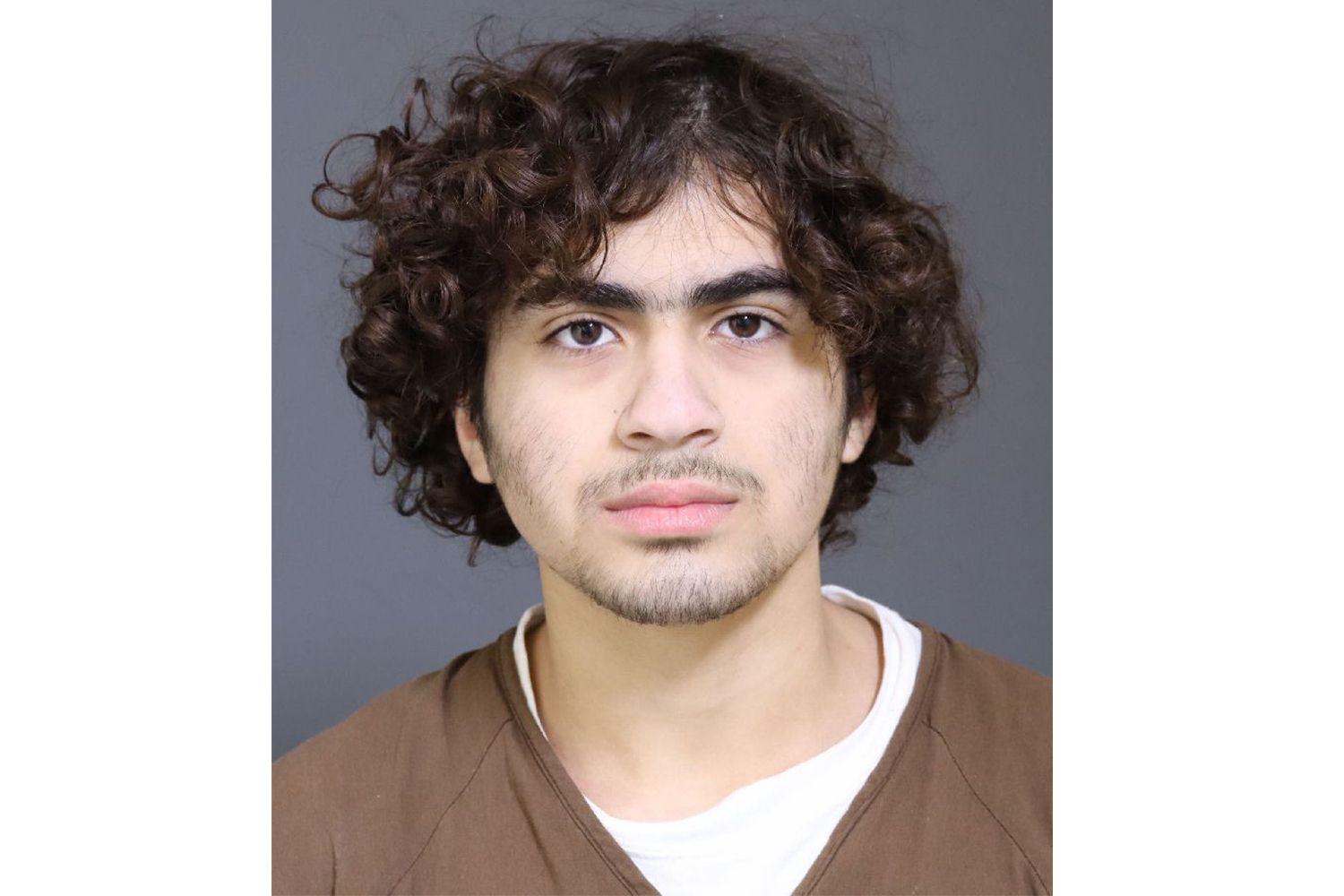
The sentencing of Derek Rosa has brought renewed public attention to one of the most disturbing juvenile crime cases in recent Florida history. What began as a quiet night in a Hialeah apartment in October 2023 ended with the violent death of 39-year-old Elina Garcia at the hands of her own son. Rosa was just 13 years old at the time of the killing, an age that has complicated every legal, moral, and societal discussion surrounding the case.
Now 15, Rosa has pleaded guilty to second-degree murder and received a lengthy prison sentence that reflects both the gravity of the crime and the difficult question of how the justice system should handle children who commit acts of extreme violence. The case has raised broader concerns about youth mental health, exposure to violent imagery, family dynamics, and the limits of rehabilitation within an adult criminal justice framework.
The Night of the Killing and the Evidence Against Rosa
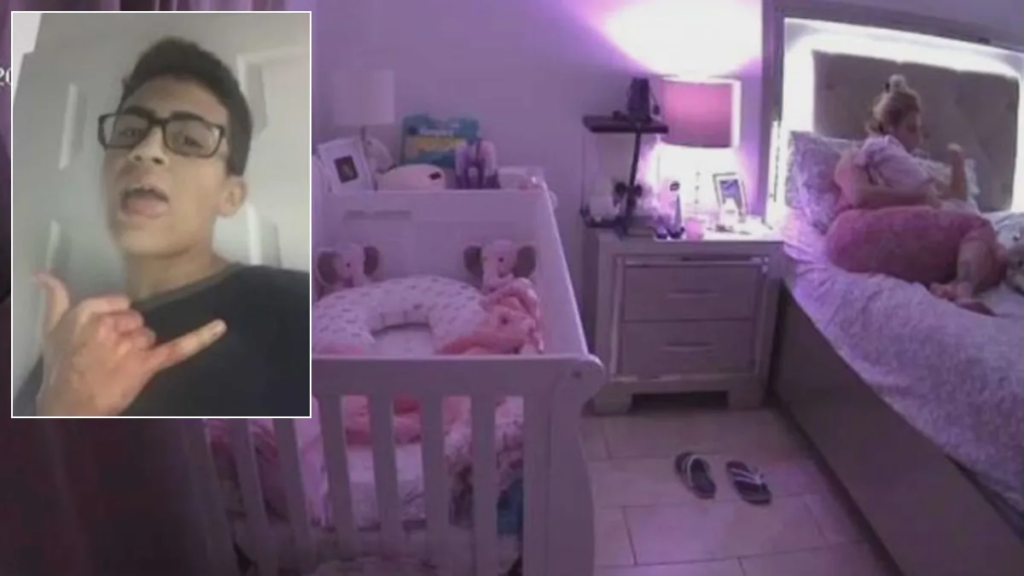
According to court records and motions obtained by media outlets, the killing took place in the early hours of October 12, 2023. Elina Garcia was asleep in her bed when her son attacked her, stabbing her 46 times. The brutality of the assault left little doubt about the cause of death, and prosecutors later emphasized the sheer number of wounds as evidence of sustained violence rather than a single impulsive act. Garcia’s newborn daughter was sleeping nearby at the time of the attack but was not physically harmed.
In the immediate aftermath of the killing, Rosa’s actions further shocked investigators. Prosecutors allege that he took photographs of his mother’s body after she had been killed, documenting her lying in a pool of blood. He also took a selfie showing his own hand covered in blood. These images were allegedly sent to a friend, along with photos of a gun. According to prosecutors, the friend initially believed the messages were a joke, but quickly realized the situation was real as the images continued to arrive. Court filings describe the friend as alternating between shock and disbelief upon understanding what had happened.
Shortly after sending the messages, Rosa called 911 and allegedly confessed to the killing during the call. Authorities say he later repeated his confession to police detectives. This sequence of events became central to the prosecution’s case, as it demonstrated not only Rosa’s admission of guilt but also his awareness of what he had done. Investigators did not report any immediate evidence of forced entry or outside involvement, reinforcing the conclusion that the killing occurred entirely within the family home.
Read : I Work from the Moment I Wake Up Till I Go to Bed: Nvidia CEO Huang
Prosecutors also cited Rosa’s fascination with violent horror imagery as part of the broader narrative of the case. Court documents referenced his interest in Jason Voorhees, the fictional killer from the Friday the 13th film franchise, and noted that Rosa had told friends he planned to dress as the character for Halloween. While authorities did not claim that horror films directly caused the crime, the detail was included to illustrate Rosa’s mindset and interests leading up to the killing.
The Guilty Plea and Sentencing Decision
On January 16, Derek Rosa pleaded guilty to second-degree murder in Miami-Dade Circuit Court, avoiding a trial that would have further exposed the details of the case to public scrutiny. The plea agreement resulted in a sentence of 25 years in prison, followed by 20 years of probation. Given Rosa’s age at the time of the crime, the sentence immediately sparked debate about whether it struck the right balance between accountability and the possibility of rehabilitation.
Read : Heroic ! 12-Year-Old Zac Howells Steers Car to Safety After Mother Faints at Wheel
At the sentencing hearing, Derek Rosa addressed the court briefly. “I’m sorry,” he said, according to reports from the Miami Herald. The statement was short and offered no elaboration, but it marked the first time Rosa publicly acknowledged responsibility in open court. His defense attorney, Dayliset Rielo, later stated that Rosa was thankful for those who had supported him throughout the legal process, emphasizing that the plea deal was reached after careful consideration of his age and long-term prospects.
Under the terms of the sentence, Derek Rosa will initially be placed in a youthful offender facility until he turns 21. After that, he will be transferred to the Florida Department of Corrections to serve the remainder of his prison term. Rielo acknowledged that the outcome was far from ideal but described it as a strategic decision given the circumstances. She reiterated her view that children do not belong in the adult prison system, while also recognizing the severity of the crime and the limited options available under Florida law.
Miami-Dade State Attorney Katherine Fernandez Rundle released a statement following the plea, underscoring the prosecution’s position. She noted that Rosa had admitted to the killing multiple times, including during the 911 call and in statements to police. Rundle emphasized the suffering endured by Elina Garcia, stating that the pain of the 46 stab wounds was compounded by the knowledge that her killer was her own child. She also remarked that by taking his mother’s life, Rosa had effectively taken much of his own future as well.
The decision to pursue second-degree murder charges, rather than first-degree murder, reflected an acknowledgment of Derek Rosa’s age and the complexities of proving premeditation beyond a reasonable doubt. Nevertheless, the length of the sentence signaled the court’s determination that the crime warranted a response comparable to that imposed on adult offenders in cases of extreme violence.
Family Impact, Public Reaction, and Broader Implications
The emotional toll of the crime was evident during the sentencing hearing, particularly in statements from surviving family members. Rosa’s stepfather, Frank Ramos, addressed the court and spoke directly to the teenager. He described Rosa as being “like a son” to him and recalled the family as close-knit before the killing. Ramos spoke about Elina Garcia as a loving mother whose death had permanently altered the lives of those who knew her. His remarks highlighted the complex mixture of grief, loss, and conflicting emotions that often accompany cases involving violence within families.

Public reaction to the case has been intense, in part because of Derek Rosa’s age and the disturbing details surrounding the killing. Some observers have focused on the apparent lack of warning signs that could have predicted such an act, while others have questioned whether earlier intervention or mental health support might have altered the outcome. The case has also fueled ongoing debates about how juvenile offenders should be treated when they commit crimes that would result in life sentences or decades-long imprisonment if committed by adults.
Legal experts have pointed out that Florida law allows juveniles to be charged and sentenced as adults in certain circumstances, particularly in cases involving violent felonies. However, the application of these laws remains controversial. Critics argue that lengthy prison sentences for children fail to account for adolescent brain development and the potential for change over time. Supporters counter that the severity of certain crimes leaves courts with little choice but to prioritize public safety and accountability.
The Rosa case has also drawn attention to the role of digital communication in modern crimes. The alleged sharing of graphic images with a friend immediately after the killing underscores how social media and messaging platforms can become part of the crime itself, preserving evidence and extending the emotional impact beyond the immediate scene. For prosecutors, these digital records provided crucial insight into Rosa’s actions and state of mind, while for the public, they added another layer of horror to an already tragic story.
As Rosa begins his sentence, the case continues to resonate as an example of the most extreme end of juvenile crime. It raises unresolved questions about prevention, responsibility, and the capacity for rehabilitation in young offenders who commit acts of profound violence. For the family of Elina Garcia, the legal proceedings cannot undo the loss they have suffered, but the sentencing represents a measure of closure in a case that has permanently altered their lives and drawn national attention to the complexities of youth crime and justice.