
A Florida judge is expected to issue a pivotal ruling as early as Tuesday in the case of Derek Rosa, a Hialeah teenager accused of killing his mother in a crime that has drawn national attention because of his age, the brutality of the alleged attack, and the legal questions surrounding a juvenile confession. At the center of the current proceedings is whether statements Rosa made to investigators, including admissions during a 911 call, can be used as evidence at trial. The decision could significantly shape the prosecution’s case as well as the defense’s strategy ahead of a trial scheduled to begin later this month.
Derek Rosa was 13 years old at the time of the killing in October 2023. Now 15, he faces adult charges in connection with the stabbing death of his mother inside their Hialeah home. Investigators allege the victim was stabbed 46 times while she slept, details that prosecutors say underscore the severity of the crime. Defense attorneys, however, argue that Rosa’s age, emotional state, and the traumatic circumstances surrounding the incident raise serious doubts about whether he fully understood his rights when he spoke with law enforcement.
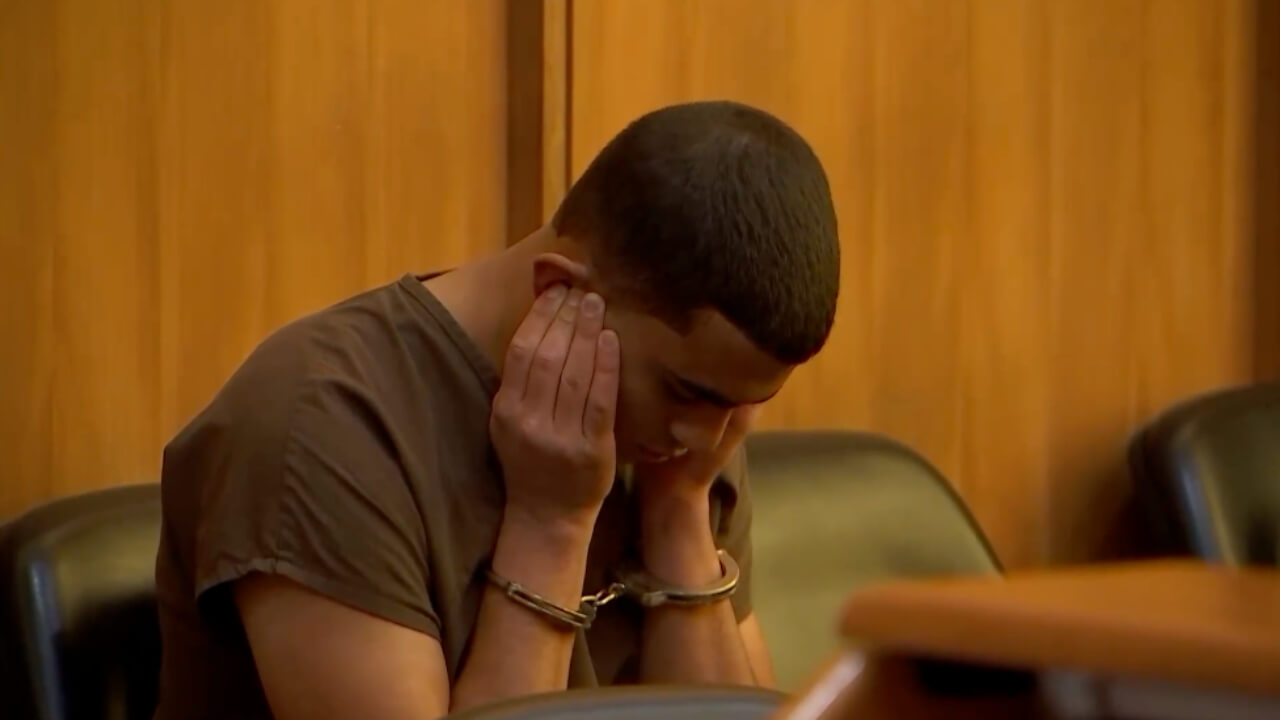
During a lengthy court hearing on Monday, testimony focused largely on the circumstances under which Rosa made incriminating statements, including his 911 call and later interactions with detectives. As audio from the emergency call was played in open court, Rosa sat quietly with his head down, at times covering his ears, a visible reaction that highlighted the emotional weight of the evidence being reviewed.
The confession at the center of the legal battle
The key issue before the court is whether Rosa’s confession and related statements should be suppressed. Defense attorneys contend that Derek Rosa did not fully comprehend his right to remain silent, a foundational protection under the U.S. Constitution. They argue that his youth, combined with the shock and trauma of the incident, compromised his ability to make a knowing and voluntary waiver of those rights.
In court, defense counsel emphasized that regardless of how the facts are ultimately interpreted, the situation involved a child experiencing an extreme and overwhelming event. They maintained that statements made in such a context cannot be reliably treated as voluntary or fully informed, particularly when the speaker is a young teenager. The defense has urged the judge to exclude the confession from evidence, arguing that its admission would be fundamentally unfair and legally flawed.
Prosecutors, by contrast, insist that Derek Rosa’s statements are both admissible and critical to their case. They argue that the confession was clear, detailed, and consistent with other evidence collected during the investigation. According to the state, Rosa’s own words provide direct insight into his actions and intent, making them indispensable for a jury tasked with determining guilt.
NEW: The Miami teen accused of brutally st*bbing his mother to death when he was just 13, covers his ears as court plays the 911 call
— Unlimited L's (@unlimited_ls) January 5, 2026
Derek Rosa, now 15, was 13 when arrested for st*bbing his mother over 40 times on Oct. 12, 2023
He called 911 to confess. Officers found his… pic.twitter.com/gHaz7Vv70J
The 911 call has been a focal point of the hearing. In the recording, Rosa can be heard telling the dispatcher, “I killed my mom.” Prosecutors note that he also stated during the call that he had sent pictures of the scene to friends, a detail they say demonstrates awareness and intentionality rather than confusion or coercion. The state argues that the call was made voluntarily and that Derek Rosa was capable of understanding what he was saying, even in the aftermath of a violent act.
The lead detective on the case testified for most of the day, describing the investigative steps taken and the interactions with Derek Rosa following the incident. Prosecutors used the testimony to reinforce their position that Rosa was properly advised of his rights and that no improper pressure was applied during questioning. The defense challenged this narrative, pressing the detective on Rosa’s mental and emotional state at the time and the absence of a parent or guardian during certain interactions.
Courtroom scenes and the emotional weight of the evidence
Monday’s hearing offered a stark illustration of the emotional toll the case continues to exact, particularly on the defendant. As the audio from the 911 call played, Derek Rosa’s physical reaction drew quiet attention in the courtroom. He sat with his head lowered and, at moments, covered his ears, a gesture that underscored the distress associated with hearing his own words replayed in a public forum.
The courtroom atmosphere was described as tense as attorneys argued over the implications of Rosa’s behavior and statements. For the defense, Derek Rosa’s reaction was emblematic of a child reliving a traumatic experience. They argued that such visible discomfort supports their contention that he was overwhelmed at the time of the confession and unable to fully grasp the legal significance of his words.
Prosecutors, however, cautioned against interpreting Rosa’s courtroom demeanor as evidence of his mental state at the time of the crime or the confession. They argued that emotional reactions months later do not negate the clarity or voluntariness of statements made shortly after the incident. According to the state, the court must focus on the legal standards governing confessions, not on subjective impressions formed long after the fact.
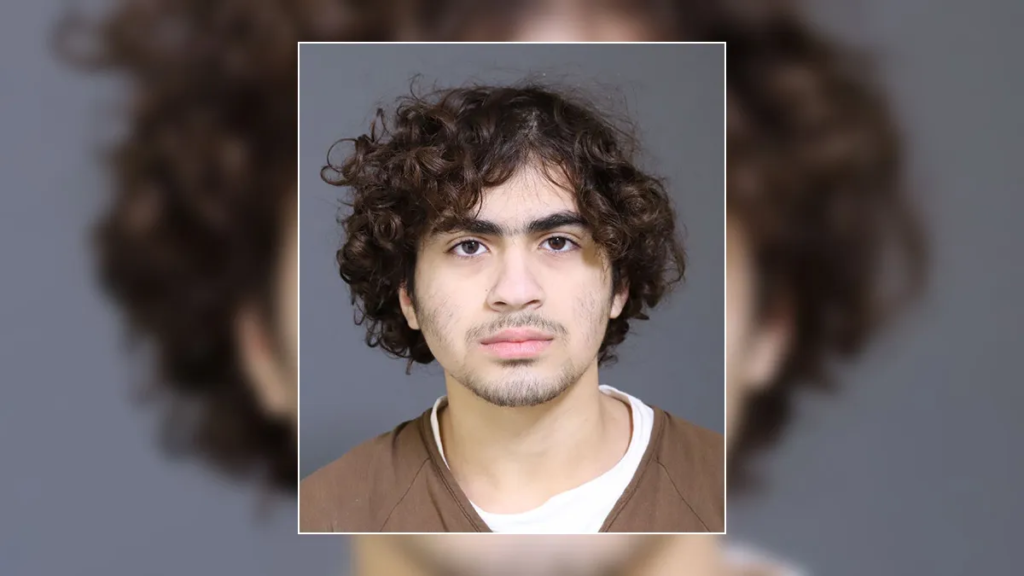
The hearing also revisited allegations about Rosa’s behavior and interests prior to the killing. In November, prosecutors disclosed what they described as new evidence suggesting that Rosa had a fascination with blood, gore, and death. They alleged that he had communicated with friends about violent themes and had expressed an intention to emulate Jason, the fictional killer from the “Friday the 13th” film franchise, known for wielding a machete.
Prosecutors further noted the timing of the alleged attack, which they said occurred around 11 p.m., roughly an hour before Friday the 13th began. They argue that this timing, combined with the alleged statements to friends, points to premeditation. Defense attorneys have criticized these claims as speculative and prejudicial, warning that such characterizations risk inflaming a jury and distracting from the legal questions at hand.
Another portion of the 911 call discussed in court included statements in which Rosa allegedly told the dispatcher that he had planned to kill both his mother and himself. According to prosecutors, he said he ultimately did not want to kill his sister and did not take his own life. The state argues that these statements demonstrate planning and intent, while the defense maintains that they reflect a disturbed and traumatized child grappling with the aftermath of violence.
What the judge’s ruling could mean for the upcoming trial
The judge’s anticipated ruling on the admissibility of Rosa’s confession carries significant implications for the trial, which is currently scheduled to begin on Jan. 20. If the confession is allowed into evidence, prosecutors would be able to present Rosa’s own statements to the jury, potentially strengthening their case by offering direct admissions alongside physical and digital evidence.
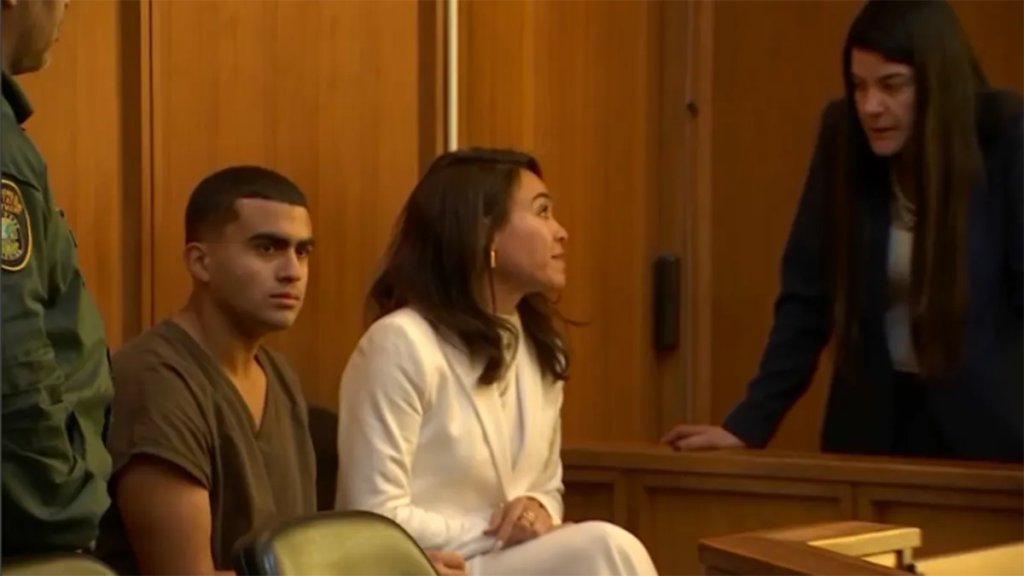
If the confession is suppressed, the prosecution would need to rely more heavily on circumstantial evidence, forensic findings, and testimony from investigators and witnesses. While the state has indicated it possesses additional evidence, excluding the confession could alter the narrative presented to jurors and complicate efforts to establish intent and premeditation beyond a reasonable doubt.
In addition to the confession issue, the judge is also expected to rule on a defense motion to delay the trial. Defense attorneys have argued that more time is needed to prepare, particularly given the complexity of the case and the high stakes involved in prosecuting a juvenile as an adult. The state attorney’s office has filed an objection to that request, asserting that the case is ready to proceed and that further delays would be unwarranted.
Court proceedings are set to continue Tuesday morning at 10 a.m., when the judge may issue decisions on both matters. The outcomes will likely determine not only the immediate trajectory of the case but also its broader legal significance, as courts continue to grapple with how constitutional protections apply to juveniles accused of serious crimes.
The case of Derek Rosa raises difficult questions about youth, accountability, and the justice system’s treatment of minors charged with violent offenses. As the court weighs the admissibility of his confession, it must balance the rights of a young defendant against the state’s interest in presenting its strongest possible case. Whatever the ruling, the decision is expected to resonate beyond this single courtroom, shaping discussions about juvenile justice and the limits of police interrogation for years to come.
Yo, 88vinshop is where it’s at! They have a decent selection of games and their customer support is pretty responsive. Hit them up and see what you think! Check it out here: 88vinshop
I have been exploring for a bit for any high-quality articles or blog posts on this kind of house . Exploring in Yahoo I at last stumbled upon this web site. Reading this information So i am happy to exhibit that I’ve a very good uncanny feeling I found out just what I needed. I most indubitably will make sure to don¦t disregard this website and give it a look on a continuing basis.
Wonderful work! This is the type of information that should be shared around the web. Shame on the search engines for not positioning this post higher! Come on over and visit my website . Thanks =)
you are actually a excellent webmaster. The site loading velocity is incredible. It seems that you are doing any distinctive trick. Also, The contents are masterwork. you have done a great job on this topic!